Key Takeaways
- As-is is legal in Tennessee: You can sell in current condition without making repairs
- You still must disclose: Tennessee law requires disclosure of known defects, even for as-is sales
- Cash buyers are your market: Most as-is homes sell to investors, not traditional buyers
- Competition maximizes price: Multiple offers can be 10-20% higher than single-buyer offers based on marketplace data
Don't want to deal with repairs, contractors, and months of preparation before selling your house? You're not alone.
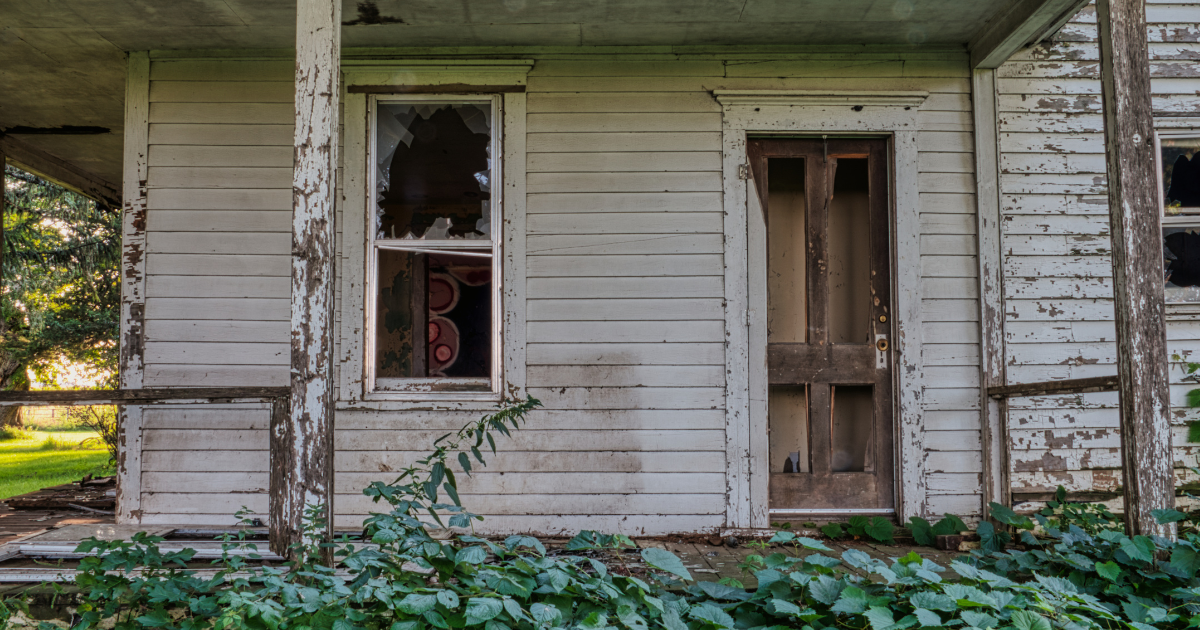
Selling "as-is" means putting your Tennessee home on the market in its current condition—no repairs, no updates, no staging. It's completely legal, increasingly common, and can be the right choice for many sellers.
But as-is doesn't mean anything goes. You still have legal obligations, and understanding the process helps you get a fair price instead of a lowball offer.
This guide covers everything you need to know about selling as-is in Tennessee: what it really means, disclosure requirements, who buys as-is homes, and how to maximize your sale price.
What Does "As-Is" Mean When Selling a House?
Let's clear up what "as-is" actually means—and what it doesn't.
What As-Is Means
- You won't make repairs: The seller isn't obligated to fix anything before closing
- You won't give credits: No price reductions or credits for needed repairs
- Current condition: The buyer accepts the property exactly as it exists today
What As-Is Doesn't Mean
- Not a license to hide defects: You must still disclose known problems
- Not an inspection shield: Buyers can still get inspections (though you don't have to negotiate based on findings)
- Not non-negotiable: Buyers can still negotiate price—they just can't demand repairs
- Not "take it or leave it": It's a negotiating position, not an ultimatum
The Practical Reality
As-is is primarily a statement about repairs. You're telling buyers: "This is what the house is. Factor condition into your offer. Don't expect us to fix things."
Most as-is buyers are investors who expect to do repairs themselves. They're not bothered by as-is—they prefer it because they want to control the renovation process.
Tennessee Disclosure Requirements for As-Is Sales
This is the most misunderstood part of as-is sales. As-is does not mean no disclosure.
The Tennessee Residential Property Disclosure Act
Under Tennessee law (T.C.A. § 66-5-201 et seq.), sellers of residential property must provide buyers with a disclosure statement covering known material defects.
This applies to as-is sales too.
What You Must Disclose
Tennessee's disclosure form requires information about:
- Structural issues: Foundation problems, settling, cracks
- Water damage: Past flooding, water intrusion, moisture problems
- Roof condition: Leaks, age, repairs needed
- HVAC systems: Heating and cooling condition
- Plumbing: Leaks, clogs, sewer/septic issues
- Electrical: Outdated wiring, safety hazards
- Pest infestations: Termites, rodents, other pests (current or past)
- Environmental hazards: Lead paint (required for pre-1978 homes), asbestos, radon, underground tanks
- Boundary disputes: Encroachments, easements, survey issues
- Title issues: Liens, judgments, HOA violations
Exemptions from Disclosure
Some sales are exempt from disclosure requirements:
- Sales at public auction
- Court-ordered sales (some foreclosures, probate)
- New construction with written warranty
- Seller has never occupied the property as a residence
Even if exempt, fraudulently concealing known defects can still result in legal liability.
The "Disclaimer" Option
Tennessee law (T.C.A. §66-5-202) allows sellers to provide a "disclaimer statement" as an alternative to the standard disclosure form. The disclaimer states that the seller makes no representations about the property's condition.
Buyers can still proceed with or decline the transaction based on this disclaimer. Many buyers—especially those using financing—may prefer the standard disclosure form, but the disclaimer is a legally recognized alternative.
Consequences of Non-Disclosure
If you knowingly hide material defects:
- Buyers can sue for actual damages (repair costs)
- Sales can be rescinded (undone)
- You may face claims of fraud
- Legal fees can exceed the cost of honest disclosure
As-is protects you from having to fix things. It does not protect you from disclosing things. If you know about a problem, disclose it. Let the buyer factor it into their offer. Hiding problems creates legal liability that far exceeds any short-term benefit.
Who Buys Houses As-Is in Tennessee?
Understanding your buyer pool helps you market effectively and set realistic expectations.
Real Estate Investors/House Flippers
The primary market for as-is homes. These buyers:
- Buy low, renovate, and sell at retail prices
- Have contractor relationships and can renovate efficiently
- Know how to accurately estimate repair costs
- Pay cash and close quickly
- Want as-is properties because they control the renovation
Buy-and-Hold Investors
Investors buying for rental income rather than flipping:
- Especially active in Memphis (9-12% rental yields)
- Less concerned about cosmetics—functional is enough
- Looking for properties that cash flow as rentals
- May accept properties flippers wouldn't touch
Wholesalers
Middlemen who connect sellers with end buyers:
- Put your property under contract
- Assign (sell) that contract to an investor
- Make profit from the assignment fee
Caution: Some wholesalers are legitimate; others are predatory. They typically offer lower prices because they need margin for their fee. Ask directly whether the buyer is purchasing with their own funds or assigning the contract.
iBuyers (Limited)
Companies like Opendoor and Offerpad:
- Have strict criteria (newer homes, good condition)
- Usually won't buy true as-is properties with major issues
- May work for cosmetic as-is (outdated but functional)
Traditional Buyers (Rare)
Occasionally, traditional buyers purchase as-is:
- Handy buyers looking for a project
- Buyers who need to beat competition in hot markets
- Buyers using renovation loans (203k, HomeStyle)
However, most traditional buyers want move-in ready—especially at today's mortgage rates. Your primary as-is market is investors.
How Much Does Selling As-Is Cost You?
There's a common myth that selling as-is means "giving away" your house. The reality is more nuanced.
The Investor Pricing Formula
Cash buyers use a straightforward formula:
ARV - Repair Costs - Holding Costs - Profit Margin = Offer
Example:
- After Repair Value (ARV): $350,000
- Minus repair costs: -$50,000
- Minus holding costs: -$15,000
- Minus profit margin (20%): -$70,000
- Maximum offer: $215,000
Real Math Comparison
Let's compare three scenarios for the same house:
Scenario 1: Fix and Sell Traditionally
| Repair investment | -$50,000 |
| Sale price (retail) | $350,000 |
| Agent commission (5.5%) | -$19,250 |
| Closing costs | -$8,750 |
| Net proceeds | $272,000 |
| Timeline | 4-6 months |
Scenario 2: Sell As-Is to Single Cash Buyer
| Offer (65% of ARV) | $227,500 |
| Repairs | $0 |
| Commissions/costs | $0 |
| Net proceeds | $227,500 |
| Timeline | 2 weeks |
Scenario 3: Sell As-Is With Multiple Cash Offers
| Offer (75% of ARV) | $262,500 |
| Repairs | $0 |
| Commissions/costs | $0 |
| Net proceeds | $262,500 |
| Timeline | 2 weeks |
The Key Insight
Competing as-is offers ($262,500) close the gap significantly with traditional retail ($272,000)—while saving months of time, stress, and out-of-pocket repair costs.
The worst outcome is selling to a single cash buyer who lowballs you ($227,500). Competition is the key to fair as-is pricing.
Pros and Cons of Selling As-Is
Pros
- No repair costs: Keep your cash; let the buyer handle renovations
- No contractor hassles: No coordinating workers, dealing with delays, or cost overruns
- Faster sale: Skip weeks of preparation; list (or get offers) immediately
- Certainty: No negotiating repairs after inspection—what they see is what they get
- Sell in any condition: Even severely distressed properties can sell as-is
- Less stress: No living in a construction zone or keeping a house "show ready"
Cons
- Smaller buyer pool: Most traditional buyers want move-in ready
- Lower offers: Investors factor repair costs into their offers
- Stigma: Some buyers assume "as-is" means something's wrong (even for cosmetic issues)
- Still must disclose: As-is doesn't eliminate disclosure requirements
- Financing challenges: Many lenders won't finance as-is properties with major issues
When As-Is Makes Sense
- Inherited property: Especially if you live out of state or don't want to manage renovations
- Extensive damage: When repair costs approach or exceed the value they'd add
- No cash for repairs: When you can't afford the upfront investment
- Need speed: Divorce, foreclosure, relocation, or other time-sensitive situations
- Tired landlord: Ready to exit without investing more in the property
- Estate sale: When heirs want to settle the estate quickly
How to Sell Your House As-Is in Tennessee
You have several options for selling as-is. Here's how they compare:
Option 1: List with an Agent (As-Is)
You can list on the MLS as-is. Your agent will note the condition in the listing.
Pros:
- MLS exposure reaches more buyers
- May attract retail buyers for cosmetic as-is
- Agent handles marketing and negotiations
Cons:
- Still takes time (weeks to months)
- Agent commissions (4.5-6%)
- Limited buyer interest for properties needing major work
- Financed buyers may not qualify (lender requirements)
Option 2: FSBO (For Sale By Owner)
List as-is yourself without an agent.
Pros:
- Save listing commission (2.5-3%)
- Full control over the process
Cons:
- Marketing burden on you
- Limited exposure compared to MLS
- Legal risks if you make mistakes with disclosures or contracts
- Still often pay buyer's agent commission (2.5-3%)
Option 3: Single Cash Buyer
Sell directly to one "we buy houses" company.
Pros:
- Fast closing (7-14 days)
- No commissions or fees
- True as-is—no negotiation on repairs
Cons:
- One lowball offer: No competition = no incentive to offer fairly
- Some companies are predatory
- You'll likely leave money on the table
Option 4: A Smarter Way to Sell Your House for Cash
Get multiple offers from multiple investors.
Pros:
- Fast closing (7-14 days)
- No commissions or fees
- True as-is
- Multiple offers give you more options and negotiating leverage
- Transparency—see all offers and choose the best terms
Cons:
- Still below full retail (but significantly better than single-buyer)
Our national network of investors specialize in as-is properties. Having multiple offers gives you leverage toward fair market value.
Get As-Is Offers From Multiple BuyersWhy Multiple Offers Matter More for As-Is Properties
As-is sellers are particularly vulnerable to lowball offers. Here's why competition is even more critical:
Single Investors Know You're Limited
When you call one "we buy houses" company with an as-is property, they know:
- Traditional buyers likely won't qualify (financing issues)
- You probably don't have cash for repairs
- You may be in a difficult situation (inherited, divorce, foreclosure)
This information asymmetry works against you. They lowball because they can.
Competition Creates FOMO
When multiple investors are interested in your as-is property:
- Each knows others are bidding
- They can't lowball as aggressively without losing the deal
- Fear of missing out drives offers higher
- Market forces work in your favor
Tennessee's Investor Market Is Competitive
Tennessee attracts significant investor interest:
- No state income tax appeals to investors
- Strong rental yields (especially Memphis)
- Population growth drives appreciation
- More investors = more competition for as-is properties
Don't let a single buyer exploit your situation. Get your home in front of cash buyers.
Common As-Is Selling Mistakes to Avoid
1. Accepting the First Offer Without Comparison
The first offer is rarely the best offer. Get multiple offers to establish a competitive range before accepting anything.
2. Not Disclosing Known Defects
As-is doesn't protect you from disclosure requirements. Hiding problems creates legal liability that far outweighs any benefit. Disclose what you know.
3. Overpricing Based on ARV
Your house isn't worth what it could be worth after repairs. It's worth what it is right now. Price based on current condition, not potential.
4. Choosing Convenience Over Value
It's easy to accept the first offer that sounds reasonable. But 30 minutes of effort getting multiple offers could mean $20,000-$40,000 more in your pocket.
5. Falling for "Guaranteed Offer" Gimmicks
Be wary of companies that "guarantee" a price sight-unseen. They typically:
- Give a high initial estimate to get you engaged
- Significantly reduce the offer after inspection
- Know you're emotionally invested by then
Work with buyers who provide realistic offers based on actual property evaluation.
6. Not Verifying Buyer Credibility
Before accepting any offer:
- Request proof of funds
- Check for reviews or references
- Verify they're buying (not just wholesaling)
- Confirm their closing timeline is realistic
Frequently Asked Questions
Do I have to disclose problems if I sell as-is in Tennessee?
Yes. Under the Tennessee Residential Property Disclosure Act, sellers must disclose known material defects even in as-is sales. "As-is" means you won't make repairs—it doesn't mean you can hide problems. You must disclose structural issues, water damage, roof problems, HVAC issues, pest infestations, and environmental hazards you're aware of. Non-disclosure can result in lawsuits and rescinded sales.
Can buyers still get inspections on as-is sales in Tennessee?
Yes, buyers can still request inspections on as-is properties. However, as the seller, you can decline to make repairs or offer credits based on inspection findings—that's what "as-is" means. Some sellers include language in the contract waiving the buyer's right to request repairs, but buyers can still walk away if inspections reveal issues they're not comfortable with.
Will banks finance as-is purchases in Tennessee?
Sometimes, but it's difficult. Conventional and FHA loans require the property to meet certain habitability standards. If your as-is home has significant issues (roof damage, foundation problems, safety hazards), most lenders won't approve financing. This is why as-is homes typically sell to cash buyers who don't need lender approval.
How much lower are as-is offers compared to retail?
As-is offers typically range from 50-85% of retail value, depending on condition and competition. Homes needing only cosmetic work may get 70-85% offers. Homes with major issues (roof, foundation, HVAC) may see 50-70% offers. Getting multiple offers from interested buyers is the best way to maximize your as-is sale price.
Can I sell as-is if I have a mortgage?
Yes, you can sell as-is with a mortgage. At closing, sale proceeds first pay off your mortgage, then closing costs, with any remaining equity going to you. If your as-is sale price is less than your mortgage balance, you'd need lender approval for a short sale. Having a mortgage doesn't prevent an as-is sale—it just affects how proceeds are distributed.
Sell Your Tennessee House As-Is—The Smart Way
Selling as-is is a legitimate option that makes sense for many Tennessee homeowners. You don't have to invest money you don't have, manage contractors you don't want to deal with, or wait months for a traditional sale.
But as-is doesn't mean accepting a lowball offer from someone exploiting your situation.
The key to a fair as-is sale is competition. Multiple buyers interested in your property drives offers toward fair market value—even for properties needing work.
Get Multiple Cash Offers for Your As-Is Property
- Our network of cash investors — not one lowball offer
- True as-is — no repairs, no cleaning, no staging
- Close in 7-14 days — or on your timeline
- No fees or commissions — keep your full offer
- Zero obligation — just see what investors will pay
Disclaimer: This article is for informational purposes only and does not constitute legal advice. Tennessee disclosure requirements and real estate laws may change. Consult with a Tennessee real estate attorney for advice specific to your situation.