Key Takeaways
- Massive historic district: Riverside/Avondale is one of the largest historic districts in the U.S. -- 5,000+ buildings across 8 square miles on the National Register of Historic Places
- COA requirements add cost and complexity: Every exterior change in designated historic districts requires a Certificate of Appropriateness, with materials costing 2-3x modern equivalents
- Pre-1940 homes carry expensive problems: Knob-and-tube wiring ($8K-$15K), lead paint abatement ($5K-$15K+), galvanized pipes ($10K-$20K), and foundation settlement ($8K-$25K+) are common
- Insurance and financing barriers kill deals: Older roofs fail 4-point inspections, FHA/VA will not approve homes with lead paint hazards or knob-and-tube wiring, and insurers charge premium rates for wood-frame historic structures
- Springfield is gentrifying but still affordable: Jacksonville's oldest neighborhood offers homes at $180K-$280K, attracting both investors and first-time buyers
- Cash buyers bypass every historic home obstacle: No COA concerns, no lender requirements, no insurance contingencies, no lead paint contingency failures
- Multiple offers beat single-buyer lowballs: Investors who specialize in historic rehab price based on after-renovation value rather than fear of the unknown
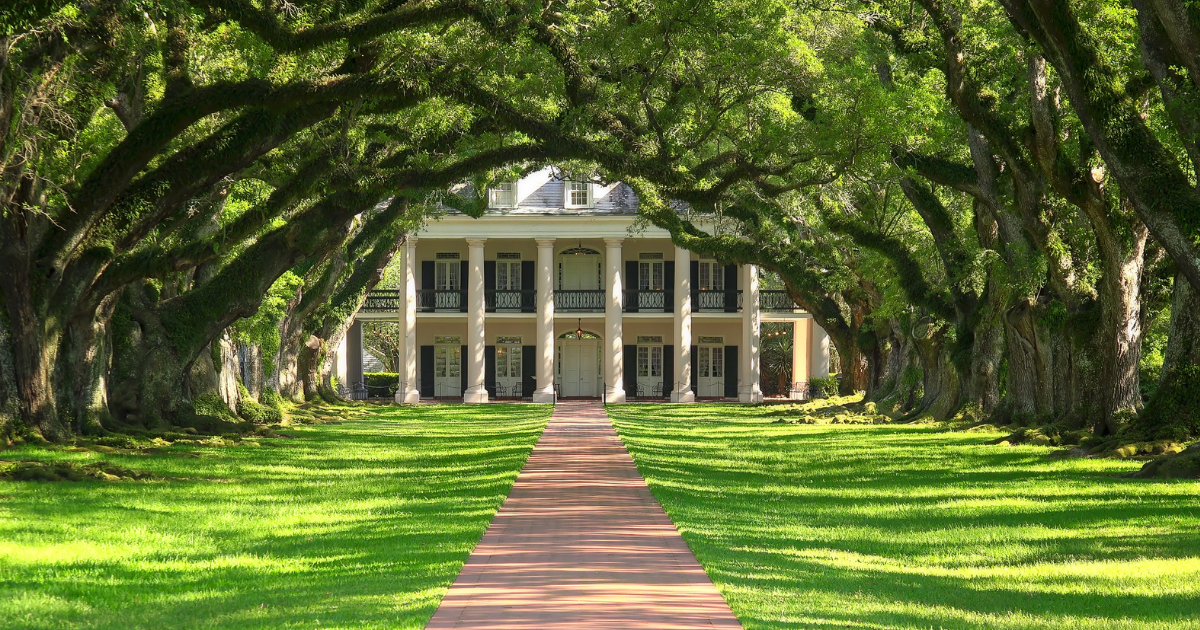
Jacksonville's Riverside, Avondale, and Springfield neighborhoods contain some of the most architecturally significant homes in the Southeast. Prairie School bungalows. Mediterranean Revival mansions. Queen Anne Victorians. Craftsman cottages with original millwork that modern builders cannot replicate at any price. They are also, for many homeowners, a financial trap.
The same historic designations that protect these neighborhoods' character create a web of regulations, repair costs, and insurance complications that make selling dramatically harder than selling a standard property. You cannot slap on vinyl siding or replace windows with modern double-panes. Every exterior change requires government approval and historically appropriate materials costing two to three times the standard price. And when you are ready to sell, many potential buyers cannot get financing or insurance for a pre-1940 wood-frame home.
This guide covers the real obstacles and realistic paths to selling your historic Jacksonville home.
Jacksonville's Historic Districts
Riverside/Avondale Historic District
Riverside/Avondale is one of the largest contiguous historic districts in the country -- approximately 8 square miles encompassing more than 5,000 buildings, listed on the National Register of Historic Places. The homes represent nearly every major American architectural style from the late 1800s through the 1940s:
- Prairie School: Horizontal lines, overhanging eaves, open floor plans -- Jacksonville has one of the finest Prairie School collections outside the Midwest
- Mediterranean Revival: Stucco exteriors, clay tile roofs, arched doorways, courtyard designs
- Colonial Revival: Symmetrical facades, columned porches, formal interiors
- Craftsman: Low-pitched roofs, exposed rafters, tapered columns, built-in cabinetry
These homes are 80 to 120 years old, and every year of deferred maintenance compounds into exponentially more expensive problems.
Springfield Historic District
Springfield is Jacksonville's oldest suburb, developed in the late 1800s as the city's first planned residential neighborhood. The district features Queen Anne homes with decorative spindle work and turrets, Mediterranean stucco-and-tile construction, Colonial designs, and Craftsman bungalows.
Springfield is undergoing significant gentrification -- new restaurants, breweries, and creative businesses opening alongside established institutions. Property values are rising, but many homes remain in original condition, meaning owners face the same deferred maintenance and regulatory challenges as Riverside and Avondale.
Being in a designated historic district is not the same as having a historic-looking house in a regular neighborhood. When your property is inside the official boundaries, specific local ordinances govern what you can and cannot do to the exterior of your home. These are enforceable laws with real penalties for violations.
The Certificate of Appropriateness (COA)
A Certificate of Appropriateness is a permit required for all exterior work on properties within Jacksonville's designated historic districts. It is issued by the Jacksonville Historic Preservation Commission to ensure changes are consistent with the district's historic character. The scope is far broader than most homeowners expect:
- Siding replacement or repair: You cannot replace wood clapboard with vinyl siding. If the original material was wood, the replacement must be wood or a COA-approved substitute.
- Window replacement: Original wood windows cannot be replaced with standard vinyl or aluminum windows. Replacements must match the original material, profile, and muntin pattern.
- Roofing changes: Material changes -- such as replacing clay tile with asphalt shingles or vice versa -- require approval.
- Paint colors: In some cases, exterior paint color changes require review to ensure they are historically appropriate for the style and period of the home.
- Additions or alterations: Any structural change to the building's exterior footprint or facade requires full COA review.
- Fencing, landscaping structures, and outbuildings: Even elements that are not part of the main structure can require approval if they are visible from the public right-of-way.
COA Timeline, Validity, and Costs
A COA is valid for 1 year after approval. Once work begins, it remains valid for 5 years. Minor work may receive administrative approval in days; major alterations require a full commission hearing that can take weeks to months. COA-compliant materials cost significantly more than modern equivalents:
- Windows: COA-compliant wood window replacements cost $800-$1,500 per window vs. $200-$400 for standard vinyl. For a home with 20 windows, that is $16,000-$30,000 vs. $4,000-$8,000.
- Siding: Historically appropriate wood clapboard or approved fiber-cement runs 2-3x the cost of vinyl siding, before the additional labor cost of custom milling and installation.
- Roofing: If your home originally had clay tile or slate, replacement in kind can cost $20,000-$40,000+ vs. $8,000-$15,000 for standard asphalt shingles.
Violations and Enforcement
If previous owners -- or you -- made exterior changes without a COA, those are violations. The commission can issue fines, order removal of non-compliant materials and restoration to original condition, and place holds on other permits. Existing violations must be disclosed to buyers and can derail traditional sales -- a buyer's inspection may reveal unpermitted work, triggering demands for resolution before closing.
You cannot quickly or cheaply update your home's exterior. Every improvement requires approval, historically appropriate materials, and significantly more money than a comparable update on a non-historic home. For many sellers, the cost of COA-compliant improvements exceeds any increase in sale price. This is the fundamental economic trap of selling a historic home in Jacksonville.
Common Pre-1940 Home Issues and Costs
Beyond the COA layer, historic homes carry the physical problems of 80-120 years of aging in a hot, humid, termite-friendly climate. These are the issues that cause buyers to walk away, lenders to decline financing, and insurers to refuse coverage.
| Issue | Typical Cost to Address | Why It Matters for Selling |
|---|---|---|
| Knob-and-tube wiring | $8,000 - $15,000 | Most insurers refuse coverage; lenders will not approve mortgages |
| Lead paint (pre-1978) | $5,000 - $15,000+ abatement | Federal disclosure required; FHA/VA will not approve if hazards present |
| Galvanized/cast iron pipes | $10,000 - $20,000 | Corroded pipes fail inspections; water damage risk deters lenders |
| Polybutylene pipes | $4,000 - $12,000 | Known failure-prone material; many insurers will not cover homes with poly pipes |
| Asbestos (siding, insulation, floor tiles) | $3,000 - $10,000+ | Professional removal required; disturbing asbestos during renovation is a legal and health hazard |
| Termite damage | $3,000 - $15,000+ | Wood-frame historic homes are especially vulnerable; structural damage can be extensive and hidden |
| Foundation settlement (sandy soil) | $8,000 - $25,000+ | Jacksonville's sandy soil causes settling; cracked foundations fail inspections and scare buyers |
| Original single-pane windows | $15,000 - $30,000 | COA-compliant replacements cost 3-4x standard; energy inefficiency raises utility costs |
A single home can have multiple issues simultaneously. A 1925 Riverside bungalow with knob-and-tube wiring, galvanized pipes, lead paint, termite damage, and original windows could require $50,000-$95,000 in repairs before a traditional buyer's lender would approve it -- with no guarantee of recouping the cost.
Insurance and Financing Barriers
The 4-Point Inspection Problem
Florida insurers require a 4-point inspection for homes over 30 years old -- which includes virtually every home in these neighborhoods. The inspection evaluates the roof (older than 15-20 years is often a failure), electrical (knob-and-tube is an automatic failure), plumbing (galvanized and polybutylene trigger denials), and HVAC (original systems cause surcharges or denial). A home that fails any section may be uninsurable -- and without insurance, no lender will approve the buyer's mortgage.
FHA and VA Loan Barriers
Many homebuyers -- especially first-time buyers attracted to Springfield's prices -- use FHA or VA loans. These have strict property requirements that historic homes frequently fail: FHA/VA appraisers flag deteriorating paint in pre-1978 homes (requiring lead paint remediation before closing), knob-and-tube wiring must be replaced, visible foundation problems must be addressed, and all health and safety hazards must be corrected.
The Insurance Premium Problem
Even when a historic home can get insured, premiums shock buyers. Wood-frame construction carries 20-40% surcharges. Replacement cost coverage using historically appropriate materials drives premiums far above standard policies. Many carriers decline pre-1940 homes entirely, pushing owners to specialty carriers or Citizens Property Insurance.
Each barrier feeds the next. The home fails the 4-point inspection, so insurance is denied. Without insurance, the lender will not approve the mortgage. The deal falls through. The seller relists. The next buyer has the same problem. This cycle is why historic homes in Jacksonville sit on the market significantly longer than comparable non-historic properties.
Neighborhood Breakdown and Median Prices
| Neighborhood | ZIP Code | Median Price Range | Key Characteristics |
|---|---|---|---|
| Avondale | 32205 | $500,000+ | Premium historic area; tree-lined streets, walkable to the Shoppes of Avondale; highest demand and highest buyer expectations |
| Riverside | 32204 | $350,000+ | Five Points and King Street corridors; arts and dining scene; mix of renovated and original-condition homes |
| Springfield | 32206 | $180,000 - $280,000 | Jacksonville's first suburb; active gentrification; mix of fully renovated and unrenovated homes; best entry-level historic prices |
| Murray Hill | 32205 | $250,000 - $350,000 | Edgewood Avenue commercial corridor; mid-century and bungalow stock; growing dining and retail scene |
| Ortega | 32210 | $400,000+ | Established waterfront neighborhood; Ortega River and St. Johns River properties; larger lots, estate-style homes |
In Avondale and Ortega, premium pricing means renovated homes attract affluent buyers -- but if your home has significant deferred maintenance, nobody paying $500,000+ wants to inherit $80,000 in repairs. In Springfield, lower prices attract first-time buyers relying on FHA/VA loans -- precisely the financing most likely blocked by historic home issues.
Why Cash Buyers Are the Natural Exit for Historic Homes
Every obstacle in this guide -- COA requirements, pre-1940 repairs, insurance barriers, financing restrictions -- is a problem for traditional buyers and their lenders. Cash buyers operate differently.
- No COA concerns for the seller: Cash investors who specialize in historic rehab handle the COA process after closing. Many have established relationships with the Historic Preservation Commission. The process that paralyzes individual homeowners is routine for these buyers.
- No lender or insurance hurdles: No 4-point inspection required. No FHA appraiser flagging lead paint or knob-and-tube. The buyer evaluates based on after-renovation value, not current-condition lender requirements.
- No lead paint contingency failures: Federal disclosure still applies, but cash investors budget for abatement as part of renovation. In traditional sales, the lead paint inspection period is where deals most commonly fall apart.
- No FHA/VA appraisal issues: Cash buyers assess value based on comparable after-renovation sales and investment returns -- especially important in Springfield where the gap between as-is and renovated value is substantial.
- Historic rehab expertise: Specialist investors know which details to preserve, how to source appropriate materials affordably, and what after-renovation value will be on each block. They pay more than generalists who discount every old house out of uncertainty.
Your 4 Options for Selling
| Factor | Traditional (Agent) | FSBO | Single Cash Buyer | Propcash Marketplace |
|---|---|---|---|---|
| Upfront Cost | Repairs + staging ($20K-$80K+) | Repairs + marketing ($20K-$80K+) | $0 | $0 |
| Timeline to Close | 3 - 9 months | 4 - 12+ months | 7 - 14 days | 7 - 14 days |
| Expected Price | Highest (if repairs done) | Slightly below agent-listed | 50-65% of market | 60-75% of market |
| Certainty of Closing | Low (inspection/financing fallout) | Very Low | High | High |
| Number of Offers | Uncertain | Few to none | 1 | Multiple cash |
| Agent Commission | 5-6% | 0-3% (buyer agent) | $0 | $0 |
| COA Required | Yes (for any exterior work) | Yes (for any exterior work) | No -- buyer handles post-sale | No -- buyer handles post-sale |
| Best For | Move-in-ready homes with no major issues | Experienced sellers with time | Fast exit, any condition | Best price for as-is historic homes |
The difference between a single cash buyer and a marketplace matters. A single "we buy houses" company prices at the lowest number they think you will accept. When multiple investors who specialize in Jacksonville historic properties see your home, an investor who has renovated 30 Avondale homes can offer more confidently than a generalist who sees only risk. Competition reveals your property's true investment value.
"Our 1920s Riverside bungalow had termite damage and knob-and-tube wiring. No traditional buyer would touch it. Propcash got us 5 offers in one day. Sold in 12 days."
— Angela T., Riverside (32204)
Frequently Asked Questions
Do I need a Certificate of Appropriateness to sell my historic home in Jacksonville?
You do not need a COA to sell. However, any exterior modifications to prepare for sale -- siding, windows, roof, even paint colors -- require COA approval in designated historic districts. This is why many sellers choose to sell as-is to cash buyers who handle the COA process after purchase.
Can I sell a house with knob-and-tube wiring in Jacksonville?
Yes, but most lenders and insurers will not approve homes with active knob-and-tube. Rewiring costs $8,000-$15,000. Cash buyers factor rewiring into their offers and close without lender or insurer approval.
Am I required to disclose lead paint when selling a pre-1978 home in Jacksonville?
Yes. Federal law requires disclosure of all known lead paint hazards, providing existing inspection reports, the EPA pamphlet "Protect Your Family From Lead in Your Home," and a 10-day buyer inspection period. This applies to virtually every home in these historic districts. Penalties reach $19,507 per violation.
How much do historic home repairs cost compared to standard homes?
Typically two to three times more. COA-compliant wood window replacement costs $15,000-$30,000 vs. $5,000-$10,000 for vinyl. Historically appropriate siding, roofing, and hardware all carry similar premiums.
What happens if I made exterior changes without a COA?
Unpermitted modifications can result in fines, forced restoration to original condition, and permit holds. Violations must be resolved before or during sale. Cash buyers experienced with historic properties can navigate these situations and often purchase properties with existing violations.
How fast can I sell a historic home in Jacksonville for cash?
Through Propcash's marketplace, historic homes typically receive multiple offers within 24-48 hours and close in 7-14 days. Traditional sales can take 6+ months, with many falling through when lenders or insurers decline the property.
Find Out What Your Historic Jacksonville Home Is Worth
Get cash offers from investors who specialize in historic Jacksonville properties -- including Riverside, Avondale, Springfield, and surrounding neighborhoods. No repairs, no COA hassles, no obligation. Know what your home is worth in 24 hours.
Get My Cash OffersOr visit our Jacksonville landing page for more information about selling in the Jacksonville market.
Data Sources: This analysis draws from Riverside Avondale Preservation (RAP) district records, City of Jacksonville Historic Preservation Commission guidelines and COA application data, National Register of Historic Places nomination documents for Riverside/Avondale and Springfield historic districts, EPA lead paint regulations and the Residential Lead-Based Paint Hazard Reduction Act of 1992, Florida Office of Insurance Regulation filing data, and Northeast Florida Association of Realtors MLS data. Data as of February 2026.