Key Takeaways
- Texas moves fast: Non-judicial foreclosure can complete in as few as 41 days from first notice to auction — one of the fastest in the country
- You can sell until the auction: You can sell your house at any point before the foreclosure sale is final, even after receiving a Notice of Sale
- Federal 120-day protection: Servicers must wait 120 days after first missed payment before starting foreclosure
- Cash sale closes fast: A cash sale can close in 7-14 days — often fast enough to beat a Texas foreclosure auction
- No second chances: Foreclosure stays on your credit for 7 years and Texas has no right of redemption after sale
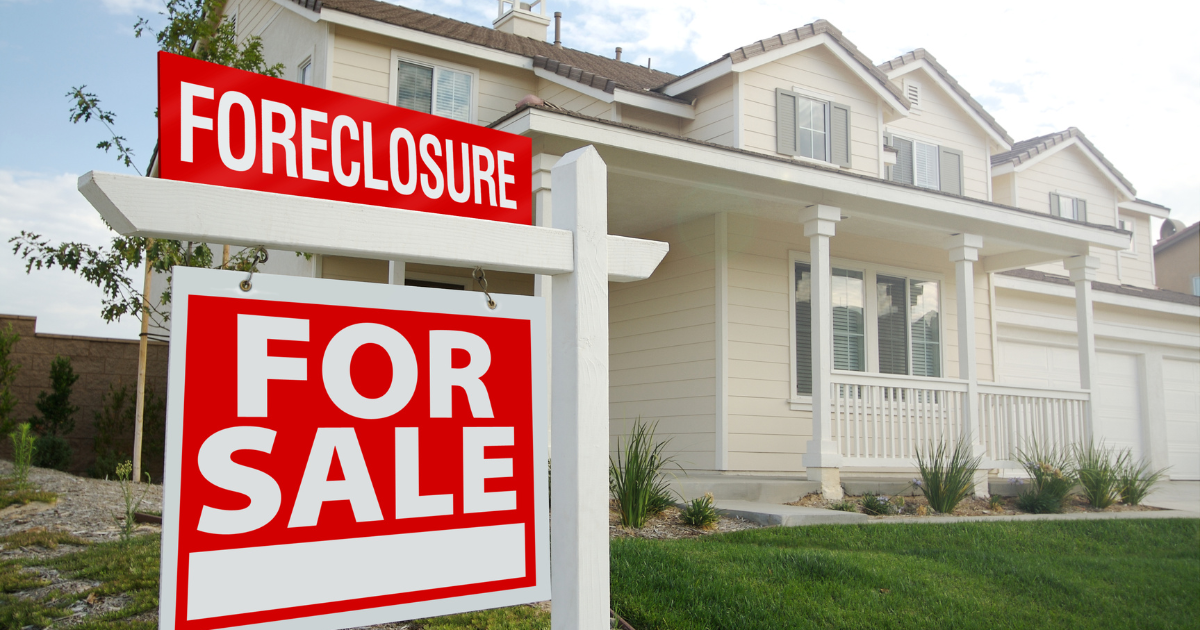
If you're facing foreclosure in Texas, you need to move quickly. Texas has one of the fastest foreclosure processes in America.
Unlike judicial foreclosure states such as New York or New Jersey where the process drags on for two to three years, Texas is a non-judicial foreclosure state. That means lenders can foreclose without going to court. Once the formal notices begin, the auction can happen in as few as 41 to 51 days.
The good news: you still have options. Until the gavel falls at the courthouse steps, you can act. This guide covers the exact Texas foreclosure timeline, your legal options to stop or delay it, and the fastest way to protect your credit and your equity.
The Texas Foreclosure Timeline
Texas uses non-judicial foreclosure (also called "power of sale"), which doesn't require court involvement. This is governed by the Texas Property Code, Sections 51.002-51.005, and it makes the process significantly faster than judicial foreclosure states.
Here's the step-by-step breakdown:
Day 0: First Missed Payment
Your lender sends a late notice and charges a late fee, typically 4-5% of the payment amount. At this point, you're "delinquent" but not yet in foreclosure.
Days 30-90: Increasing Pressure
You'll receive more aggressive contact from your servicer — phone calls, letters, and notices. By day 90, your lender reports the delinquency to all three credit bureaus. Your credit score starts dropping.
Day 120+: Federal Protection Ends
Under CFPB regulations (12 CFR 1024.41), your mortgage servicer cannot begin foreclosure until you are more than 120 days delinquent. This gives you roughly four months to explore options before formal foreclosure proceedings can start.
Notice of Default & Intent to Accelerate
Once the 120-day period passes, your lender sends a Notice of Default and Intent to Accelerate by certified mail. Under Texas Property Code Section 51.002, this notice must:
- State that you are in default
- Describe the default and the action required to cure it
- Give you at least 20 days to cure (bring the loan current)
- Inform you that failure to cure will result in acceleration of the loan and foreclosure sale
Notice of Sale
If you don't cure within the 20-day window, the lender sends a Notice of Sale. Texas law requires:
- Notice must be filed with the county clerk at least 21 days before the sale
- Notice must be posted at the courthouse door in the county where the property is located
- Notice must be sent to you by certified mail at least 21 days before sale
Foreclosure Auction: First Tuesday of the Month
Texas foreclosure auctions happen on the first Tuesday of every month, between 10:00 AM and 4:00 PM, at the county courthouse. This is unique to Texas and means there's a fixed schedule for when your property could be sold.
Total minimum from first notice to sale: 41-51 days. From first missed payment to auction: roughly 6 months. Compare that to New Jersey (3+ years), New York (2+ years), or even Tennessee (5-6 months). Texas is one of the fastest foreclosure states in America. Every day you wait, your options narrow.
Can You Sell Your House During Foreclosure in Texas?
Yes, absolutely. You can sell your house at any point before the auctioneer's gavel drops on the first Tuesday. Even after receiving a Notice of Default or a Notice of Sale, you retain ownership and the legal right to sell.
Benefits of a Pre-Foreclosure Sale
- Protect your credit: A voluntary sale shows as a paid/closed account — not a foreclosure
- Avoid a deficiency judgment: If proceeds cover your mortgage, the lender has nothing to pursue
- Keep your equity: Walk away with cash instead of losing everything at auction
- Maintain control: You choose when, how, and to whom you sell
Will Your Lender Cooperate?
In most cases, yes. Lenders actually prefer a pre-foreclosure sale because:
- They recover more money than at auction (foreclosure sales often yield 60-70% of market value)
- They avoid costly legal and maintenance expenses
- The process is faster and cleaner
Many Texas lenders will pause or postpone foreclosure proceedings if you can demonstrate a legitimate sale is in progress — especially if you have a signed contract with a buyer.
The Cutoff: When It's Too Late
Once the property is sold at auction and the trustee's deed is recorded, it's over. You lose ownership and you lose any right to the property. Texas does not offer a right of redemption for residential non-judicial foreclosures.
6 Ways to Stop Foreclosure in Texas
You have more options than you may realize. Here are the six primary paths to stop or avoid foreclosure in Texas:
1. Reinstatement (Cure Within 20 Days)
Pay all missed payments, late fees, and legal costs to bring your loan current within the 20-day cure period after receiving the Notice of Default.
- Best for: Homeowners who've recovered from a temporary hardship and have cash available
- Challenge: The amount grows every month — by the time you receive the notice, you may owe 5-6 months of payments plus fees
2. Loan Modification
Negotiate new loan terms with your lender — lower interest rate, extended term, or adding missed payments to the back of the loan balance.
- Pros: Keep your home with more affordable payments
- Cons: Takes 30-90 days, requires extensive documentation, not guaranteed
- Tip: Apply for loss mitigation as early as possible — servicers are required to evaluate your application before proceeding with foreclosure
3. Forbearance
A temporary reduction or pause in mortgage payments, typically lasting 3-6 months.
- Best for: Short-term hardship (job loss, medical issue) when you expect to recover
- Challenge: You'll eventually need to repay the paused amounts — lump sum, repayment plan, or added to the loan balance
4. Chapter 13 Bankruptcy
Filing bankruptcy triggers an automatic stay that immediately halts all foreclosure activity.
- How it works: Chapter 13 creates a 3-5 year repayment plan to catch up on arrears while keeping your home
- Pros: Immediately stops foreclosure, allows you to keep the property
- Cons: Severe long-term credit impact (stays on record 7-10 years), expensive legal fees, strict payment plan that must be followed exactly
- Use as: A last resort when other options have been exhausted
5. Short Sale
If you're underwater (owe more than the house is worth), negotiate with your lender to accept less than the full mortgage balance through a sale.
- Pros: Avoids foreclosure on your credit, lender often waives deficiency
- Cons: Requires lender approval, can take 60-90 days, credit still takes a hit (though less than foreclosure)
- Critical: Get the deficiency waiver in writing before closing
6. Sell for Cash Before Auction
Sell your property to a cash buyer who can close in 7-14 days — the fastest path to a clean exit.
- Pros: Fastest option, protects credit, preserves equity, no repairs needed, clean break
- Cons: Cash offers are typically below full market value (though competing offers close the gap)
- Best for: Homeowners with equity who need to move fast, or those who simply want a clean resolution
Comparison: Your 6 Options at a Glance
| Option | Speed | Credit Impact | Keep Home? | Difficulty |
|---|---|---|---|---|
| Reinstatement | Immediate | Minimal (late payments remain) | Yes | Need full cash to cure |
| Loan Modification | 30-90 days | Low-moderate | Yes | Moderate (paperwork-heavy) |
| Forbearance | 1-2 weeks | Low | Yes (temporarily) | Easy to get, hard to repay |
| Chapter 13 Bankruptcy | Immediate stay | Severe (7-10 years) | Yes (if plan completed) | High (legal fees, strict plan) |
| Short Sale | 60-90 days | Moderate | No | Moderate (needs lender approval) |
| Cash Sale | 7-14 days | Minimal | No | Easy (buyer handles everything) |
Why Selling for Cash May Be Your Best Option
When the clock is ticking on a Texas foreclosure, speed isn't a luxury — it's a necessity. Here's why a cash sale often beats every other option:
Speed: 7-14 Days vs. Months
Traditional home sales take 3-5 months. Loan modifications take 30-90 days with no guarantee of approval. A cash sale can close in as few as 7-14 days — well within the 21-day window between the Notice of Sale and auction.
- Day 1: Submit your property information
- Day 1-2: Receive competing cash offers
- Day 3-5: Accept offer, sign contract
- Day 7-14: Close at title company, mortgage paid off
Credit Protection: Sale vs. Foreclosure
The difference is massive:
- Foreclosure: 100-150+ point credit drop, stays on record 7 years, 3-7 year wait for new mortgage
- Voluntary sale: Account shows as paid/closed, credit recovers much faster, can qualify for new mortgage sooner
Equity Recovery
At foreclosure auction, properties routinely sell for 60-70% of market value. In a pre-foreclosure cash sale — especially with competing offers — you can recover significantly more.
Example:
- House worth $300,000
- Mortgage balance: $240,000
- Foreclosure auction price: ~$195,000 (you lose all equity + face deficiency)
- Competing cash offers: $255,000-$270,000 (you walk away with $15,000-$30,000)
No Repairs, No Showings, No Hassle
Cash buyers purchase as-is. No staging, no open houses, no repair negotiations. When you're dealing with the stress of foreclosure, the last thing you need is months of home sale preparation.
500+ Texas investors compete for your property — closing fast enough to beat your foreclosure deadline.
Get Competing Cash Offers NowWhat Happens After a Texas Foreclosure?
Understanding the consequences of letting a foreclosure go through makes the case for acting now even stronger.
No Right of Redemption
This is critical: Texas does not provide a right of redemption for non-judicial residential foreclosures. Unlike states such as Alabama (12 months), Illinois (6 months), or Michigan (6 months) where you can reclaim your property after auction by paying the sale price plus costs, in Texas the sale is final. Once the trustee's deed is filed, you have no legal path to get your home back.
Deficiency Judgments Are Allowed
If the foreclosure sale doesn't cover your full mortgage balance, the lender can sue you for the difference. Under Texas Property Code Section 51.003, the lender must file for a deficiency judgment within two years of the foreclosure sale.
Example:
- Mortgage balance: $280,000
- Foreclosure sale price: $210,000
- Potential deficiency judgment: $70,000
A deficiency judgment can lead to wage garnishment, bank account levies, and liens on other property you own.
Eviction Process
After the foreclosure sale, the new owner will send a 3-day notice to vacate. If you don't leave, they file a forcible detainer lawsuit. Texas courts move quickly on evictions — you may have only days to weeks before being forced out.
Credit Impact: 7 Years
Foreclosure stays on your credit report for 7 years and can drop your score by 100-150+ points. This affects your ability to:
- Qualify for a new mortgage (7-year wait for conventional, 3 years for FHA)
- Rent an apartment (most landlords check credit)
- Get favorable rates on auto loans or credit cards
- Pass employment background checks in some industries
What If You're Underwater?
If you owe more than your house is worth, you're "underwater" — but you still have options. Don't assume you have to let the foreclosure happen.
The Short Sale Path
In a short sale, your lender agrees to accept less than the full mortgage balance. Here's how the process works in Texas:
- Determine your shortfall: Get your payoff amount from the lender and compare it to your home's current market value
- Find a buyer: Cash investors are ideal because they can close fast and deal with as-is condition
- Submit to your lender: Provide the purchase offer along with a hardship letter, financial statements, and proof of income
- Negotiate the deficiency: This is the most important step — get the lender to agree IN WRITING to waive the deficiency balance
- Close the sale: Once approved, close at a title company like any normal transaction
Why Lenders Accept Short Sales
Many Texas lenders will accept a short sale over foreclosure because they actually lose less money. Consider the lender's perspective:
- Foreclosure costs the lender $50,000-$80,000 in legal fees, maintenance, and carrying costs
- Foreclosure auctions typically yield 60-70% of market value
- Short sales close faster, cost less, and usually recover 80-90% of value
This is why most lenders prefer a short sale — it's simply a better business outcome for them, too.
Tax Implications
Forgiven mortgage debt may be considered taxable income by the IRS. If your lender forgives a $40,000 deficiency, you could owe $8,000-$12,000 in taxes. However, the Mortgage Forgiveness Debt Relief Act may exclude forgiven debt on your primary residence — consult a tax professional before closing.
Texas-Specific Resources
Free help is available. Do not pay for "foreclosure rescue" services — many are scams targeting distressed homeowners.
HOPE Hotline
Call 1-888-995-HOPE (4673) for free, confidential foreclosure counseling 24/7. This HUD-backed service connects you with certified counselors who can help you evaluate your options.
HUD-Approved Housing Counselors
Free, HUD-approved counseling agencies can help you understand your options and negotiate with your lender. Find one near you at consumerfinance.gov.
Texas-Specific Legal Aid
- Texas RioGrande Legal Aid: Serves South and West Texas — trla.org | (888) 988-9996
- Lone Star Legal Aid: Serves East, Southeast, and North Texas — lonestarlegal.org | (800) 733-8394
- Legal Aid of NorthWest Texas: Serves the DFW metroplex and surrounding counties — lanwt.org | (888) 529-5277
Texas State Law Library
The Texas State Law Library provides free guides and resources on foreclosure law, including property code references, sample letters, and procedural information.
Warning: Avoid Foreclosure Rescue Scams
Be wary of anyone who:
- Guarantees to stop your foreclosure (no one can guarantee this)
- Asks for upfront fees before providing services
- Tells you to stop communicating with your lender
- Asks you to sign over the deed to your house
- Pressures you to sign documents you don't understand
Frequently Asked Questions
How long do I have before foreclosure in Texas?
From first missed payment, typically about 6 months. But once the Notice of Default and Intent to Accelerate is sent, the auction can happen in as few as 41-51 days. Texas is one of the fastest foreclosure states in the country because it uses a non-judicial process. The sooner you act, the more options you have.
Can I sell my house after receiving a Notice of Sale in Texas?
Yes. You can sell at any point before the foreclosure sale is completed. Cash buyers can close in 7-14 days, which is often fast enough to beat the auction date. Many lenders will even pause foreclosure proceedings if you have a legitimate sale in progress with a signed contract.
Does Texas have a right of redemption after foreclosure?
No. Texas does not provide a right of redemption for non-judicial foreclosures on residential properties. Once the auction is complete and the trustee's deed is filed, you have no legal right to reclaim the property. This makes acting before the sale absolutely critical.
Will foreclosure affect my ability to buy a home in the future?
Yes, significantly. Foreclosure stays on your credit for 7 years. Most conventional lenders require a 7-year waiting period after foreclosure, while FHA loans require a 3-year wait. A pre-foreclosure sale has much less credit impact and allows you to qualify for a new mortgage sooner.
Can the lender come after me for the difference after foreclosure in Texas?
Yes. Texas allows deficiency judgments. If the foreclosure sale doesn't cover your mortgage balance, the lender can sue for the difference within two years of the sale. Selling before foreclosure — even as a short sale — typically results in better outcomes because you can negotiate a deficiency waiver with the lender as part of the sale agreement.
Take Action Now — Texas Doesn't Wait
In states with judicial foreclosure, you might have a year or more to figure things out. In Texas, you don't have that luxury. The non-judicial process is designed to move fast, and it does.
- If you have months before the sale: Explore all options — modification, reinstatement, forbearance, or selling on your timeline
- If you have weeks: Get cash offers immediately. Traditional sales won't close in time.
- If you have days: Contact your lender for a postponement while you arrange a cash sale. Consider bankruptcy only as a last resort.
Whatever your timeline, don't ignore the problem. Every day you wait narrows your options and pushes you closer to an outcome that will follow you for seven years.
Facing Foreclosure? Get Competing Cash Offers Now
- 500+ investors compete — don't settle for one lowball offer
- Close in 7-14 days — beat your foreclosure deadline
- No fees, no commissions — keep more of your equity
- Zero obligation — see your offers and decide
Disclaimer: This article is for informational purposes only and does not constitute legal, tax, or financial advice. Foreclosure laws and processes vary by situation. Consult with a Texas real estate attorney, HUD-approved housing counselor, or financial advisor for advice specific to your circumstances. Texas foreclosure law is governed by the Texas Property Code, Sections 51.001-51.005.