
Key Takeaways
- This is common, not rare: 51% of surveyed Fairbanks homeowners had been affected by permafrost thaw and 33% reported foundation issues, against 15% and 4% in Anchorage (Ambio, 2024).
- The state disclosure form asks about permafrost by name, under a Soil Stability question about settling, slippage, sliding, and heaving.
- Willful non-disclosure carries treble damages plus costs and attorney fees (AS 34.70.090).
- Repair spending is cumulative: surveyed Fairbanks homeowners reported mean permafrost mitigation spending of $31,488 over their ownership (Ambio, 2024).
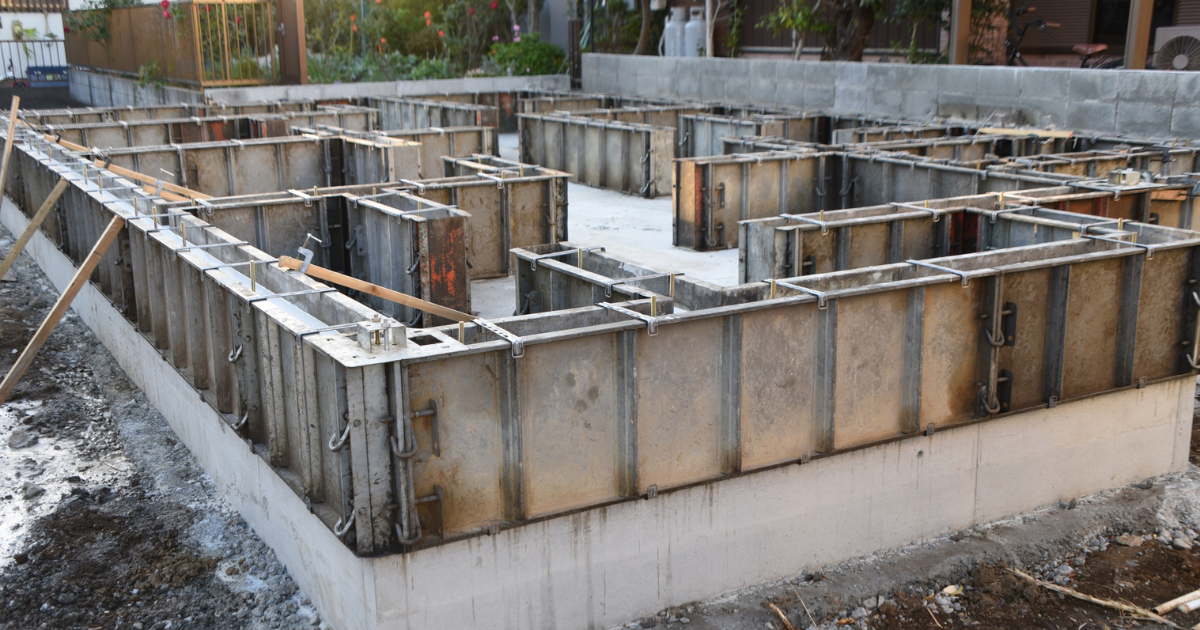
Fairbanks permafrost foundation problems are not an unusual defect in Interior Alaska. They affect a large share of the housing stock, they have their own question on a state government form, and they are the most common reason a financed Fairbanks sale falls apart. If your floors slope or a corner has been jacked more than once, you have a disclosure question and a pricing question at once.
This guide covers what thaw does to a house, where it happens around Fairbanks, what repairs run, and what Alaska law requires you to disclose. For the statewide rules, start with the Alaska seller disclosure requirements guide.
Why Fairbanks Has Permafrost and Foundation Problems
Fairbanks sits in a belt of discontinuous permafrost, meaning frozen ground sits in patches rather than everywhere, so two houses on the same street can rest on different soil. Around the Tanana Valley, permafrost is common on north-facing slopes and in valley bottoms with fine silty soils, and typically absent on south-facing slopes that take more sun (UAF Cooperative Extension Service, HCM-00754, reviewed October 2024).
The trouble starts when a heated house sits on ice-rich ground. Fine-grained soil with high ice content turns into a weak slurry when it thaws, so the ground under one part of the house loses volume while the rest holds. That differential settlement is why Fairbanks houses tilt and crack rather than sinking evenly.
The scale is documented. A University of Alaska Fairbanks International Arctic Research Center survey covered 722 homeowners, 379 in Fairbanks and 320 in Anchorage, in February and March 2022. The study, published in the journal Ambio, found that 51% of Fairbanks homeowners had been affected by permafrost thaw compared with 15% in Anchorage, and that 33% reported foundation issues, against 4% in Anchorage (Schwoerer et al., Ambio, 2024). Total Fairbanks permafrost mitigation spending came to roughly $226.3 million, about eleven times the Anchorage figure (UAF International Arctic Research Center, November 2023).
A jacked corner or an adjustable foundation is not a sign of a poorly built house in the Interior. It is a design response to the ground, and 30% of surveyed Fairbanks homeowners had built one (Ambio, 2024).
What Permafrost Thaw Does to a House
Thaw shows up first as movement you can feel, then as cracks, then as systems that stop working.
| Symptom | Likely cause | Typical response, with source |
|---|---|---|
| Floors sloping to one corner, doors that stop latching | Ice-rich soil thawing under part of the footprint | Releveling an adjustable post-and-pad foundation, often more than once (Ambio, 2024) |
| Whole-house tilt, separated siding, repeat drywall cracking | A thaw bulb deepening under the heated footprint | Rebuilding onto deep piles. Techno Metal Post Alaska's Fairbanks rate sheet lists heavy residential helical piles at $600 to $800 each, 10 pile minimum (read September 2026) |
| Cracked slab or sheared concrete foundation wall | Shallow footings or a slab poured over thaw-unstable soil | Underpinning or replacement, then interior repair. 32% of respondents had built on pilings or post and pad (Ambio, 2024) |
| Septic backing up or a drainfield that stops draining | Movement breaking the line, or thaw under the drainfield | An above-ground septic system, installed by 27% of respondents (Ambio, 2024) |
| Driveway or shed moving seasonally while the house holds | Seasonal frost heave, not permafrost thaw | Drainage, grading, and gravel pad work, done by 31% of respondents (Ambio, 2024) |
| Sinking ground and standing water in the yard | Thermokarst, the surface collapsing as buried ice melts | Ground shading, including extended eaves (28% of respondents), and freezing tubes on engineered work (UAF Extension, 2024) |
None of those repairs stop the ground from thawing, which is what separates an Interior Alaska foundation from a Lower 48 one. A pier job in a clay market fixes settlement once; a releveling in Goldstream Valley buys time against a process still running.
Which Fairbanks Areas Sit on Discontinuous Permafrost?
Permafrost around Fairbanks follows terrain and sun angle rather than subdivision lines, so the useful question is which slope and which soil. Valley bottoms with deep silt and north-facing slopes are the classic problem ground; well-drained south-facing hillsides generally are not (UAF Cooperative Extension Service, HCM-00754, 2024).
Goldstream Valley is the area most associated with thaw settlement in the Interior, and a valley-floor lot and a hillside lot a few hundred feet apart can behave completely differently. College, Farmers Loop, and Fox hold the same mix, while Chena Ridge sits mostly on higher, better-drained ground. On the flats, the older downtown, Slaterville, and Graehl stock sits beside the Chena River on fine river-valley soils, and Badger Road and Salcha carry their own low pockets.
None of that is a verdict on a specific address. Discontinuous permafrost means a single lot can have frozen ground under half of it. A soils report or test hole from an Alaska-licensed engineer is the only thing that answers the question for your parcel, and it also makes your disclosure answer defensible.
What Does It Cost to Fix a Permafrost Foundation in Fairbanks?
There is no single repair price, because the cost tracks how deep the unstable ground goes and whether the fix has to be repeated. The best sourced figure is what owners actually spent: surveyed Fairbanks homeowners reported mean permafrost mitigation spending of $31,488 across the time they lived in the house, against $3,717 in Anchorage (Schwoerer et al., Ambio, 2024). That figure is cumulative rather than one invoice.
Published local pricing exists for deep foundation work. Techno Metal Post Alaska lists heavy residential helical piles at $600 to $800 each with a 10 pile minimum for its Fairbanks and Interior service area, with extensions at $50 to $60 per linear foot and trip charges outside town (Techno Metal Post Alaska, Fairbanks pricing, read September 2026). More piles or a full lift and rebuild scale from there, and pile work is only the structural half. Releveling a settled house usually cracks drywall and shifts tile and cabinets.
Two Interior-specific costs belong in any budget. A structural engineer's evaluation is usually required before a lender or a contractor will proceed. And a house inside the borough PM2.5 nonattainment area may have to remove or replace a noncompliant wood-fired heating device before closing under state air quality regulation 18 AAC 50.077. Confirm that with the Alaska Department of Environmental Conservation.
Why Lenders and Appraisers React the Way They Do
A lender reacts to visible foundation movement because the house is the collateral, and an appraiser must report structural problems that are readily observable. VA buyers matter here, since Alaska has the highest share of veterans in the country, 10.5% of adults against 6.1% nationally (Alaska Housing Finance Corporation, November 2025). A VA appraiser applies the Minimum Property Requirements in Chapter 12 of the VA Lender's Handbook, which require a property to be safe, structurally sound, and sanitary. Conventional and FHA appraisers report the same conditions.
The sequence is predictable. The appraisal comes back subject to repair, the lender asks for an engineer's report, and the buyer either wants the work done before closing or wants a credit that usually exceeds the estimate. In Fairbanks that runs against a clock, since Fort Wainwright and Eielson Air Force Base families often hold change of station orders that arrive February to April for summer moves (U.S. Army).
Market conditions decide a buyer's leverage. Redfin put the Fairbanks North Star Borough median sale price at $343,799, down 2.5% year over year, with a median 56 days on market and 0.8% of houses selling above list in August 2026 (Redfin, August 2026). Realtor.com counted 308 active borough listings, up 41.9%, with 26.9% carrying a price cut (Realtor.com, August 2026). Zillow's separate measure of the typical City of Fairbanks house value was $310,893, up 3.5% (Zillow ZHVI, July 2026).
What Alaska Law Requires You to Disclose
Alaska requires you to tell a buyer what you know about permafrost and soil movement, in writing, before the buyer makes a written offer. The Residential Real Property Transfer Disclosure Statement asks, under Soil Stability, whether the seller knows of "any permafrost or other soil problems which have caused settling, slippage, sliding, or heaving that affects the improvements of the property," plus questions on buried fill, drainage, and grading.
Three statutes set the frame. The form goes out before the buyer makes a written offer, the reverse of most states (AS 34.70.010). Everything on it is held to a good faith standard (AS 34.70.060). A negligent violation costs actual damages, and a wilful one costs up to three times actual damages plus costs and attorney fees (AS 34.70.090).
The statute does not require you to hire an inspector or search public records. It requires honesty about what you know, so if you have jacked a corner, added piles, replaced a drainfield, or hired an engineer, that history belongs on the form. Alaska also lets the parties agree in writing that the chapter will not apply (AS 34.70.110), and the form adds that the waiver does not affect other disclosure obligations. That waiver is normal in as-is sales, not a license to stay quiet.
Sell a House With Foundation Problems in Fairbanks, or Repair First?
The decision turns on whether the repair buys back more than it costs once commissions, carrying costs, and calendar are counted. Here is that comparison on an illustrative $340,000 house, close to the borough median sale price of $343,799 (Redfin, August 2026), with an illustrative $25,000 foundation and site repair. Every figure below is an example, not an offer.
| Repair, then list (illustrative) | Amount |
|---|---|
| Sale price after repairs | $340,000 |
| Foundation and site work | -$25,000 |
| Interior repair after releveling | -$5,000 |
| Agent commissions at 5.5% | -$18,700 |
| Seller closing costs at about 2% | -$6,800 |
| Carrying costs, 4 months at $1,200 | -$4,800 |
| Illustrative net proceeds | $279,700 in roughly 5 months |
| Sell as-is for cash (illustrative) | $245,000 to $280,000, no repairs, no commissions, closings possible in as few as 7 days |
Those percentages follow the ranges the National Association of Realtors reports for listed sales, roughly 5% to 6% in commissions plus 2% to 3% in closing costs. The two routes land closer together than most sellers expect. The listing route also assumes the repair holds, the engineer signs off, and nothing else surfaces.
A cash sale trades the top of the range for certainty. If you have equity, time, a contractor you trust, and a spring listing window, repairing and listing can be the better move, and an honest buyer will tell you so. If you are working against military orders, a vacant house that has to be heated all winter, or a repair bill you do not want to fund, the as-is route usually closes. The guide to selling a house as-is in Alaska covers the statewide mechanics, and our major repairs page covers the same decision elsewhere.
How a Direct Cash Buyer Prices the Condition
A direct cash buyer prices a Fairbanks foundation problem against local sales data and the condition of the house, then explains how it got to its number. Propcash is a direct cash homebuyer, founded in 2026 and based in Nashville, and we buy houses as-is with one transparent, data-backed cash offer and the reasoning shown.
The inputs are specific: whether the foundation is adjustable, post-and-pad, pile, or poured wall; how much movement is seasonal heave and how much is thaw; whether the septic and water systems work; and what comparable borough sales support. You do not need to fix, clean, or stage anything first.
For a seller who wants to sell a house with foundation problems in Fairbanks, that can mean no repairs, no commissions, no fees charged to you, and a closing date you pick. Cash transactions can close in as few as 7 days, since there is no financing contingency and no appraisal to satisfy. Propcash offers do not expire, and if a cash sale is not your best move, we will say so. You can get a cash offer on your Fairbanks house, or read about Fairbanks cash buyer options and our statewide Alaska coverage.
Why wait? Sell your house “as is” for cash today
Tell us about your house. We'll make you a cash offer based on local market data.
Let's chatFrequently Asked Questions
Do I have to disclose permafrost or foundation damage when selling a house in Fairbanks?
Yes, if you know about it. Alaska's Residential Real Property Transfer Disclosure Statement asks under Soil Stability whether the seller knows of permafrost or other soil problems that have caused settling, slippage, sliding, or heaving affecting the improvements. Disclosures are held to a good faith standard (AS 34.70.060), and a wilful violation carries up to three times actual damages plus costs and attorney fees (AS 34.70.090).
How much does it cost to fix a permafrost-damaged foundation in Fairbanks?
There is no single number, because the fix depends on how deep the thawing ground goes. Fairbanks homeowners in a University of Alaska Fairbanks survey reported mean permafrost mitigation spending of $31,488 across their years of ownership, against $3,717 in Anchorage (Ambio, 2024). For deep foundation work, Techno Metal Post Alaska's Fairbanks rate sheet lists heavy residential helical piles at $600 to $800 each, 10 pile minimum (read September 2026).
How do you sell a house with foundation problems in Fairbanks?
You have three routes: repair the foundation and list it, list it as-is and expect a financed buyer's appraiser to flag the movement, or sell directly to a cash buyer that prices the condition in. The first costs money up front and takes months, in a market where borough houses took a median 56 days to sell (Redfin, August 2026). The third avoids repairs and lender conditions, at a price reflecting the work the buyer takes on.
Will a VA or conventional lender approve a Fairbanks house with foundation movement?
Often not without repairs first. VA appraisers apply the Minimum Property Requirements in Chapter 12 of the VA Lender's Handbook, which require a property to be safe, structurally sound, and sanitary, and conventional appraisers report structural problems the same way. The appraisal then comes back subject to repair, and the sale turns into a repair negotiation or collapses.
Is an adjustable post-and-pad foundation a defect in Fairbanks?
No. Adjustable foundations are a normal Interior Alaska building method that lets an owner relevel a house as the ground moves underneath it, and about 30% of surveyed Fairbanks homeowners had built one (Ambio, 2024). What matters to a buyer is whether the house is level now, how often it has needed adjustment, and what the seller knows about the soil.
Does selling as-is in Alaska remove the disclosure requirement?
Not by itself. Alaska lets the buyer and seller agree in writing that the disclosure chapter will not apply to the transfer (AS 34.70.110), and the state form notes that the waiver does not affect other disclosure obligations. Declining to make repairs and failing to mention a known problem are different things, and only the first is safe, so ask an Alaska attorney before signing a waiver.
Data Sources: Schwoerer et al., Ambio vol. 53 (2024); UAF International Arctic Research Center (November 2023); UAF Cooperative Extension Service HCM-00754 (2024); Alaska disclosure form 08-4229; Redfin and Realtor.com (August 2026); Zillow ZHVI (July 2026); Techno Metal Post Alaska (September 2026). Propcash is a direct cash homebuyer, not a law firm.