Key Takeaways
- To stop foreclosure in California, you have to act before the trustee sale. California gives no post-sale redemption right after a non-judicial trustee sale. Once it closes, the house is gone (Civil Code Sections 2924 to 2924k).
- The statutory minimum is about 120 days. Notice of Default, then a three-month wait, then a Notice of Trustee Sale published at least 20 days out (Civil Code Sections 2924(a)(1) and 2924f).
- Reinstatement ends five business days before the sale. Up to that point you can cure the default in a lump sum (Civil Code Section 2924c). After it, the lender can demand the full payoff.
- No deficiency judgment after a trustee sale. Code of Civil Procedure Section 580d bars the lender from suing you for the shortfall after a non-judicial foreclosure.
- Dual tracking is prohibited. The Homeowner Bill of Rights requires a single point of contact and bars a sale while a complete modification application is under review (Civil Code Section 2923.4 and following).
- Speed is the real constraint. California houses took a median of 40 days to sell in April 2026 (Redfin, April 2026), before closing time, against a cash close in as few as 7 days.
If you are trying to stop foreclosure in California, one fact should shape every decision you make: California gives you nothing after the trustee sale. There is no redemption period, no buy-back window, and no statutory second chance. The moment the trustee sale closes, the house belongs to the purchaser and the former owner has no right to reclaim it.
That makes California different from states like Alabama, where a foreclosed owner keeps a redemption right for 180 days to 1 year. Here, the entire game is played before the sale date. This guide lays out the statutory timeline, the one deadline that matters most, the protections California law does give you, and the realistic options at each stage.
California is primarily a non-judicial foreclosure state, governed by Civil Code Sections 2924 to 2924k. The process runs a minimum of about 120 days from the Notice of Default to the trustee sale. California provides no redemption period after that sale (Civil Code Sections 2924 to 2924f; Nolo, April 2026). Reinstatement is available until five business days before the sale (Civil Code Section 2924c), and a deficiency judgment is prohibited after a non-judicial foreclosure (Code of Civil Procedure Section 580d). The stakes are high because California equity is high. The statewide median sale price was $770,339 in April 2026 (Redfin, April 2026). The typical California house value was $787,508 (Zillow ZHVI, April 2026). Houses took a median of 40 days to sell in April 2026 (Redfin, April 2026).
Why wait? Sell your house “as is” for cash today
Tell us about your house and Propcash will make you a cash offer based on local market data.
Let's chatHow do you stop foreclosure in California?
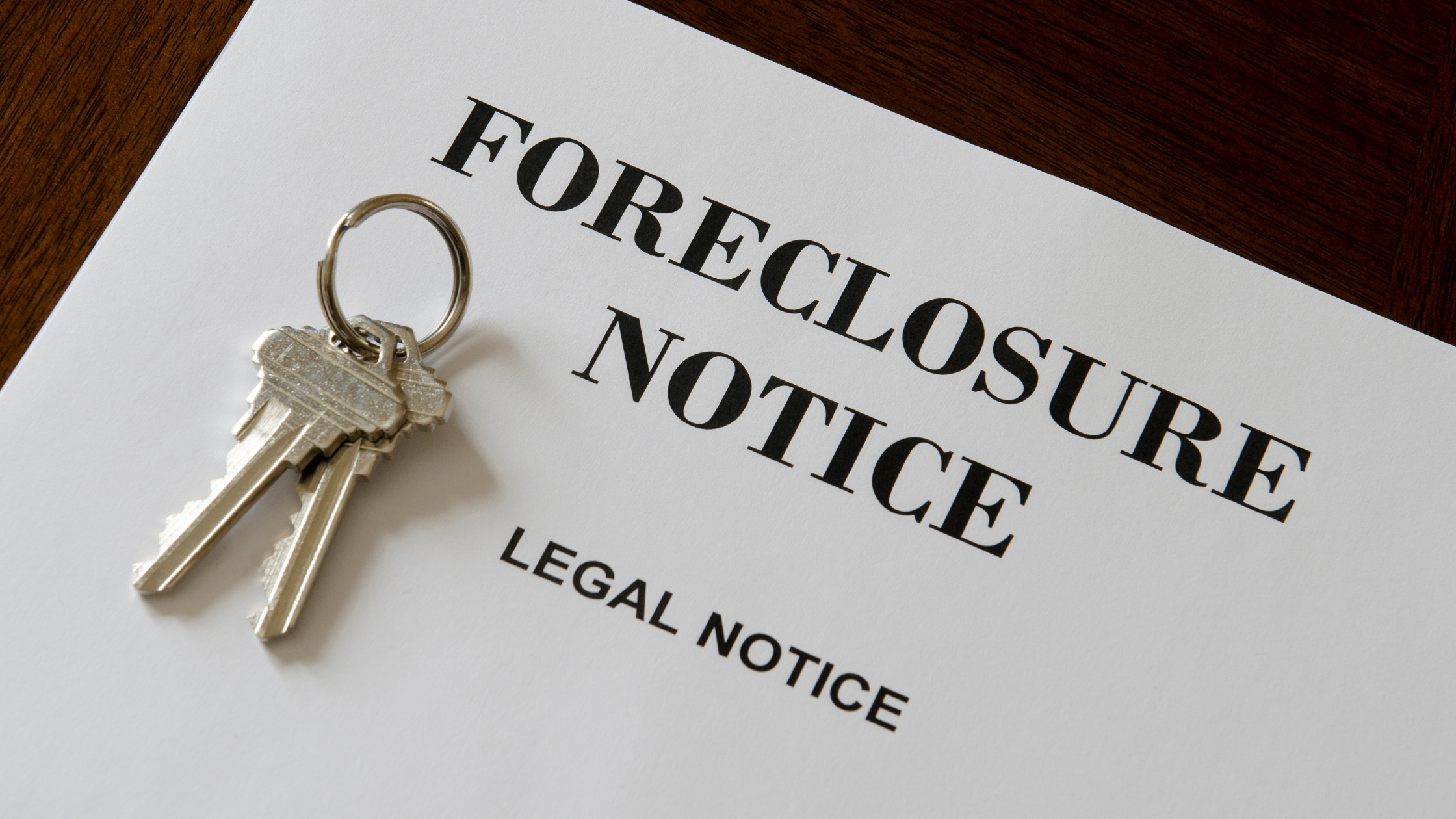
You stop a California foreclosure by curing or removing the default before the trustee sale date, and there is no way to undo it afterward. California uses non-judicial foreclosure in most cases, governed by Civil Code Sections 2924 to 2924k. That means the lender does not file a lawsuit, no judge reviews the file, and no court hearing gives you a natural pause.
Instead, a trustee named in the deed of trust follows a statutory sequence of recordings and publications, then sells the house. The only dates that matter are the ones printed on the notices you receive.
Six paths can end a California foreclosure before the sale. You can reinstate the loan, get a loan modification approved, or enter forbearance. You can also complete a short sale, negotiate a deed in lieu of foreclosure, or sell the house so the loan is paid off at closing. Each has its own timeline, and most take longer than homeowners expect.
The California foreclosure timeline, stage by stage
The California foreclosure timeline runs a minimum of about 120 days from the Notice of Default to the trustee sale. The full arc from a first missed payment is usually far longer. The lender records a Notice of Default (Civil Code Section 2924(a)(1)) and waits the statutory three-month period. It then records and publishes a Notice of Trustee Sale at least 20 days before the sale (Civil Code Section 2924f).
The stretch before the Notice of Default often runs six months or more, because of the borrower-contact requirements in Civil Code Section 2923.5 and the loss-mitigation review that usually follows.
| Stage | Typical timing | What happens | What you can still do |
|---|---|---|---|
| First missed payment | Day 1 to 30 | Late charges begin and the servicer starts collection contact. | Everything. This is the cheapest point at which to fix the problem. |
| Borrower contact and review | Often 6 months or more | Servicer must contact you or attempt contact and assess options before recording (Civil Code Section 2923.5). | Apply for a modification, request forbearance, or start a sale with time to spare. |
| Notice of Default recorded | Day 0 of the statutory clock | The trustee records the Notice of Default in the county where the house sits (Civil Code Section 2924(a)(1)). | Reinstate, modify, short sale, deed in lieu, list, or sell for cash. |
| Statutory waiting period | 3 months | The trustee must wait three months after recording before setting a sale. | The widest useful window. A traditional listing still fits here if the house shows well. |
| Notice of Trustee Sale | At least 20 days before the sale | The notice is recorded, published, posted, and mailed with the date, time, and place (Civil Code Section 2924f). | Fast options only. Reinstatement and a cash closing are the realistic ones. |
| Reinstatement cutoff | 5 business days before the sale | The statutory right to cure the default in a lump sum ends (Civil Code Section 2924c). | After this, expect the lender to demand the full payoff rather than the arrears. |
| Trustee sale | About 120 days minimum after the Notice of Default | The house is sold to the highest purchaser at the sale and title transfers. | Nothing reverses the sale. No redemption period applies. |
| After the sale | Weeks after | Surplus goes first to junior lienholders, then to the former owner (Civil Code Section 2924k). | Claim any surplus and get legal advice on possession and taxes. |
Timing varies by servicer, county, and loan documents, so treat the table as a map rather than a promise.
The reinstatement deadline: five business days before the sale
California law lets you reinstate the loan by curing the default in a lump sum up until five business days before the trustee sale (Civil Code Section 2924c). This is the most actionable date in the entire process, and it is the one most homeowners miss because it does not appear as a headline on the notice.
Reinstating means paying all the past-due payments, plus late charges, trustee fees, and the costs the lender has incurred. It is not the full loan balance. For a homeowner who can raise the arrears, reinstatement is often the cheapest way to keep the house.
Business days exclude weekends and holidays, so a sale set for a Monday can put the real cutoff more than a full week earlier on the calendar.
After that cutoff passes, the lender is generally free to insist on the entire payoff amount instead of the arrears, and the gap between those two numbers is usually enormous.
Ask the servicer or the trustee for a written reinstatement quote and a separate written payoff quote, each good through a stated date. Fees accrue, so an early phone figure may be wrong weeks later.
Is there a redemption period after a California foreclosure?
No. California provides no redemption period after a non-judicial trustee sale, so once the sale closes it is final and the former owner cannot buy the house back. This is the defining feature of California foreclosure law and the reason every option in this guide is framed around the sale date.
Many states work differently. Alabama, for example, gives a foreclosed owner a statutory post-sale redemption right of 180 days to 1 year. A national article promising a grace period after the sale is not describing California.
The one exception is judicial foreclosure, which is rare in California and can carry a one-year redemption right on the back end. That is part of why lenders almost always take the non-judicial route.
In California, the trustee sale is the end of the road, not a checkpoint. Everything you might want to do has to be finished before that date.
Can the lender sue you for the shortfall?
Generally no. Code of Civil Procedure Section 580d prohibits a deficiency judgment after a non-judicial foreclosure in California. A lender that sells the house through a trustee sale usually cannot come back and sue the borrower for the remaining balance. This changes the calculation for homeowners who are underwater.
The protection has edges. It is tied to the non-judicial route. Different rules can apply to judicial foreclosures, junior liens, second mortgages, and loans that were refinanced rather than used to purchase the house. Forgiven debt can also carry tax consequences.
If your decision turns on whether a deficiency can follow you, ask a licensed California attorney or tax advisor who can read your actual loan documents.
Homeowner protections: HBOR, AB 130, and AB 2424
California gives homeowners in default a set of statutory protections that most states do not. The main one is the Homeowner Bill of Rights (HBOR), Civil Code Section 2923.4 and following, enacted in 2013. HBOR prohibits dual tracking and requires a single point of contact while a complete loan-modification application is under review (California Attorney General, oag.ca.gov/hbor).
Dual tracking is the practice of moving a foreclosure forward while simultaneously reviewing a homeowner's modification application. Under HBOR, a servicer generally may not record a Notice of Default, record a Notice of Trustee Sale, or conduct a sale while a complete application is pending. Submitting a complete application early is therefore one of the stronger moves available.
The single point of contact requirement means one identified person or team is responsible for your file, rather than a new representative on every call. Ask for that contact by name and keep the correspondence in writing.
Two recent additions extend the framework. AB 130, effective July 1, 2025 and codified at Civil Code Section 2924.13, protects homeowners from certain zombie second mortgages. Those are dormant second liens that resurface years later and threaten foreclosure. AB 2424 added foreclosure transparency and surplus-handling rules. Those sit on top of the surplus priority in Civil Code Section 2924k, under which proceeds above the debt go first to junior lienholders and then to the former owner.
California foreclosure terms, defined
California foreclosure notices use a small vocabulary that decides what happens to your house, and the documents rarely explain any of it.
- Non-judicial foreclosure: A foreclosure carried out by a trustee under a power-of-sale clause without a court case. In California it is final at the trustee sale, with no buy-back period afterward.
- Deed of trust: The California security instrument that does the job a mortgage does elsewhere. It names a trustee with power to sell the house if you default.
- Notice of Default: The recorded document that formally starts the foreclosure clock and triggers the three-month statutory waiting period (Civil Code Section 2924(a)(1)).
- Notice of Trustee Sale: The recorded and published notice setting the date, time, and place of the sale, issued at least 20 days beforehand (Civil Code Section 2924f).
- Reinstatement: Curing the default in a lump sum, available until five business days before the sale (Civil Code Section 2924c).
- Deficiency judgment: A court judgment for the balance left when a sale brings less than the debt. Prohibited after a California non-judicial foreclosure (Code of Civil Procedure Section 580d).
- Surplus funds: Money left after a trustee sale pays the debt and costs. It goes first to junior lienholders, then to the former owner (Civil Code Section 2924k).
- Cash home buyer: A company or individual that buys a house directly with its own funds, in its current condition, and without a mortgage contingency. That typically allows a closing in days rather than the one to two months a financed sale takes.
Your options at each stage, compared
California homeowners facing a trustee sale have seven realistic options, and the right one depends almost entirely on how much equity the house holds and how many days are left. The table below pairs each option with the time it typically needs and the drawback that most often derails it.
| Option | Time needed | Best when | Main drawback |
|---|---|---|---|
| Reinstate the loan | Days, until 5 business days before the sale | You have the lump sum and want to keep the house. | Requires all arrears, fees, and costs at once (Civil Code Section 2924c). |
| Loan modification | 30 to 90 days | Income has recovered and the hardship has passed. | Approval is uncertain, and review takes time you may not have. |
| Forbearance | Weeks to set up | The hardship is temporary and clearly ending. | Payments are paused, not forgiven. The arrears come due later. |
| List with an agent | 60 to 120 days | Real equity, good condition, and months before the sale date. | California houses took a median of 40 days to sell (Redfin, April 2026), before closing time. |
| Sell to a cash buyer | As few as 7 days | The sale date is close and the house needs work. | A cash offer reflects condition and speed, so compare it against your equity. |
| Short sale | 60 to 120 days | You owe more than the house is worth. | Needs lender approval, which is slow relative to the sale clock. |
| Deed in lieu of foreclosure | 30 to 60 days | No equity and you want a cleaner exit. | The lender must agree, and junior liens can block it. |
A loan modification only helps if the application is complete and submitted in time, and a short sale only helps if the lender cooperates. Both usually run longer than the 20 days a Notice of Trustee Sale allows, so homeowners who wait for that notice before acting often find those doors already closing.
Equity is the other deciding factor, and in California it is usually substantial. The statewide median sale price was $770,339 in April 2026 (Redfin, April 2026), and the typical house value was $787,508 (Zillow ZHVI, April 2026). The dollars at stake in a trustee sale are large. For the broader price picture, see our California housing market analysis for 2026.
How selling for cash works against a trustee sale date
A cash sale can stop a California foreclosure because closing pays off the loan, and a satisfied debt removes the trustee's authority to sell under the power-of-sale clause. Escrow orders a written payoff demand from the servicer, the buyer funds the purchase, the loan is paid at closing, and the trustee records a rescission or reconveyance.
For the Los Angeles timeline, local market data, and free counseling options, see our guide to stopping foreclosure in Los Angeles.
For the San Francisco timeline, local values, and what a trustee sale does to a high-equity house, see our guide to stopping foreclosure in San Francisco.
For the San Diego timeline, local values, and the protections that may apply to active-duty servicemembers, see our guide to stopping foreclosure in San Diego.
What makes it work on a short clock is the absence of a mortgage on the buyer's side. No appraisal, no underwriting, and no loan conditions means the schedule is set by title work and escrow rather than by a lender's queue.
Propcash is a direct cash homebuyer. We buy houses across California for cash, in any condition, and cash transactions can close in as few as 7 days. Sell as-is, with no repairs, no cleaning, and no cleanout. There are no agent commissions, no closing costs charged to you, and no fees. Our offers are based on local market data, and we will show you how we got to our number.
We will also tell you when a cash sale is not your best move. If the trustee sale is still months out, the house shows well, and you have real equity, listing with a local agent may net you more. Propcash will say so and point you to someone local who fits. That call depends on your equity and your calendar, not on what is convenient for us.
Say the house came to you through an estate and the payments fell behind during probate. Our guide to selling an inherited house in California covers who actually has authority to sign. For city-level timelines and local detail, see our Los Angeles cash buyer options or the statewide California cash home buyer page.
Or call or text (615) 552-4296 to speak with the decision-maker. Our offer stands, so you can take it to an attorney before you decide.
Why wait? Sell your house “as is” for cash today
Tell us about your house and Propcash will make you a cash offer based on local market data.
Let's chatFrequently Asked Questions
How do I stop a foreclosure in California before the trustee sale?
You stop a California foreclosure by removing the default before the trustee sale happens, and there are six common ways to do it. You can reinstate the loan in a lump sum up to five business days before the sale (Civil Code Section 2924c). You can also get a modification approved, enter forbearance, complete a short sale, negotiate a deed in lieu, or sell and pay the loan off at closing. Each one has to be finished before the sale date, because California gives no redemption period afterward.
How long does the foreclosure process take in California?
A California non-judicial foreclosure takes a minimum of about 120 days from the Notice of Default to the trustee sale. The lender records the Notice of Default (Civil Code Section 2924(a)(1)) and waits the statutory three-month period. It then records and publishes a Notice of Trustee Sale at least 20 days before the sale (Civil Code Section 2924f). The period before the Notice of Default often runs six months or more because of the borrower-contact requirement in Civil Code Section 2923.5 and loss-mitigation review.
Can I get my house back after a trustee sale in California?
No. California provides no redemption period after a non-judicial trustee sale, so once the sale closes it is final and the former owner cannot buy the house back. This is different from states such as Alabama, which give a post-sale redemption window of 180 days to 1 year. Because there is no second chance, everything a California homeowner can do has to happen before the sale date.
What is the last day I can reinstate my loan in California?
Your right to reinstate ends five business days before the scheduled trustee sale under Civil Code Section 2924c. Reinstating means paying all past-due payments, late charges, trustee fees, and costs in one lump sum to bring the loan current. Business days exclude weekends and holidays, so the practical cutoff often falls more than a week before the sale on the calendar. After that point the lender can insist on the full payoff balance rather than the arrears, which is a much larger number.
Can the bank come after me for the rest of the loan after a California foreclosure?
Generally no. Code of Civil Procedure Section 580d prohibits a deficiency judgment after a non-judicial foreclosure in California. A lender that sells through a trustee sale usually cannot sue the borrower for the shortfall. This protection is tied to the non-judicial route, and other rules can apply to judicial foreclosures, junior liens, and refinanced or second loans. Confirm your own position with a licensed California attorney or tax advisor rather than assuming the protection applies.
Is it too late to sell my house if a California trustee sale is already scheduled?
Not necessarily. A sale that closes and pays off the loan before the trustee sale date ends the foreclosure, because the debt behind the power of sale is satisfied. The obstacle is timing, since California houses took a median of 40 days to sell in April 2026 (Redfin, April 2026), and that is before closing time. A financed buyer adds appraisal and underwriting weeks that a scheduled sale date may not allow. A cash purchase that does not depend on a lender can close in as few as 7 days, which is why sellers on a short clock consider it.
What happens to the extra money from a California trustee sale?
Surplus funds from a California trustee sale go first to junior lienholders in order of priority. Anything left after that goes to the former owner (Civil Code Section 2924k). AB 2424 added foreclosure transparency and surplus-handling rules on top of that framework. In practice the surplus is often small or nonexistent, because a trustee sale is run to satisfy a debt rather than to earn the highest possible price. Selling before the sale date is generally the more reliable way to convert California equity into cash.
Propcash is a direct cash homebuyer, not a law firm or tax advisor, and does not provide legal, tax, or financial advice. California foreclosure rules turn on the language in your deed of trust and the notices you received. Confirm your position with a licensed California attorney before acting.