
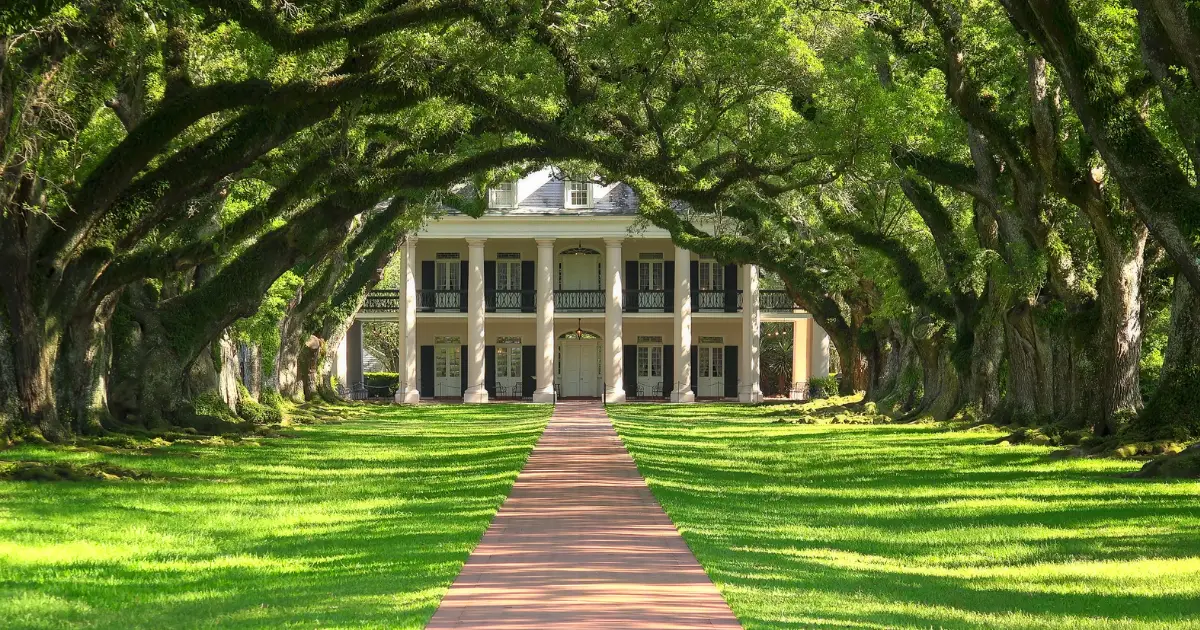
Selling a historic Pensacola house needs no ARB approval; the board reviews building plans, so the buyer inherits the review.
Exterior work needs an application at least 21 days before the board's third-Thursday meeting, and a contributing house comes down only on clear and convincing evidence of unreasonable hardship. Until closing, the owner must keep it preserved against decay.
This is general information, not legal advice. State rules vary.
Jump to a section
Is your house inside one of Pensacola's historic districts?
Free. No obligation. You choose the closing date.
You can sell a historic house in Pensacola without asking the Architectural Review Board (ARB) for anything. The board reviews plans to build, renovate, or raze buildings in the city's districts. A deed transfer is none of those. What the board controls is the work that comes after closing, and that shapes who buys the house and on what terms.
This guide is for heirs and long-time owners of wood-frame houses in the Pensacola Historic District, the North Hill Preservation District, and the Old East Hill Preservation District. It covers how to confirm your district, what a buyer must file, why demolition is hard, the upkeep duty you carry until closing, and the federal lead disclosure.
Does the Architectural Review Board have to approve a Pensacola house sale?
No. The city describes a board that rules on building plans, and selling a house is not a plan to build anything.
"The Architectural Review Board approves or disapproves plans for buildings to be erected, renovated, or razed which are located, or to be located, within the historic districts, preservation districts, and the Governmental Center District."
Architectural Review Board, City of Pensacola, from the board's official page
The City Code states the same duty in Sec. 12-12-3: the board approves or disapproves plans for buildings "to be erected, renovated or razed" in the districts. A listing, a contract, an inspection, and a closing all happen without a hearing. The board has seven members appointed by City Council and meets monthly.
These are City of Pensacola rules, so they apply inside the city limits. A house with a Pensacola mailing address in unincorporated Escambia County falls under County rules instead.
What passes to the buyer at closing
The rules attach to the building and its district, not to the owner. When the deed changes hands, the new owner takes on:
- The duty to file with the ARB before exterior work.
- The board's written materials policies, such as its stance on vinyl siding.
- The limits on demolishing a contributing structure.
- The duty to keep a contributing structure from decaying.
A buyer who plans work often weighs that review when deciding what to pay. A seller does not have to start any of it to close.
Is your Pensacola house inside a historic or preservation district?
Your house falls under the board only if its parcel sits inside a district, and three districts hold most of the city's historic houses. The city's Historic Preservation page gives each one's street boundaries.
The city passed its first preservation ordinance and set district boundaries in 1968. Two other districts are left out of the table below: the Palafox Historic Business District, which covers downtown's commercial core, and the Governmental Center District, created in 1979.
| District | Boundaries (city description) | Key dates | Era and styles |
|---|---|---|---|
| Pensacola Historic District (downtown, 36 blocks) | Chase Street on the north, 9th Avenue on the east, Palafox Street on the west, Pensacola Bay on the south | Locally designated 1968; National Register 1970 | Mainly 19th and 20th century; French Creole cottages, Victorian, Greek Revival, frame vernacular |
| North Hill Preservation District | Blount Street on the north, DeVilliers Street on the west, Wright Street on the south, Palafox Street on the east | Boundaries outlined 1973-74; National Register 1983 | 1870-1910 and 1910-1930; Queen Anne, Classical Revival, Tudor Revival, Spanish Colonial Revival, Modern, Bungalow |
| Old East Hill Preservation District | Gadsden Street on the north, 9th Avenue on the east, Wright Street on the south, Hayne Street on the west | Preservation zoning ordinance drafted by the East Hill Preservation Association in 1984 | 1870-1920s; mostly vernacular, with some Craftsman, Mission, and Queen Anne |
An old street is not always a district street
Plenty of older Pensacola houses sit outside these lines. By the city's description, a house north of Gadsden Street is outside the Old East Hill district, even when the block looks much the same. The city also notes that Aragon Court, just north of the downtown district, follows its own design code and review board.
The surest check is the parcel itself. The ARB page lists the city's Planning & Zoning Division at 222 W. Main St. (850-435-1670) and a Historic Preservation Planner (850-435-1671). Two questions settle most cases: is the parcel inside a district, and is the building contributing?
Why contributing status matters
The demolition and neglect rules covered below are written for contributing structures. The board's siding policy also treats contributing and non-contributing buildings differently. The city's historic district quick guide says the UWF Historic Trust can help owners understand a building's history.
What will a buyer have to file with the ARB?
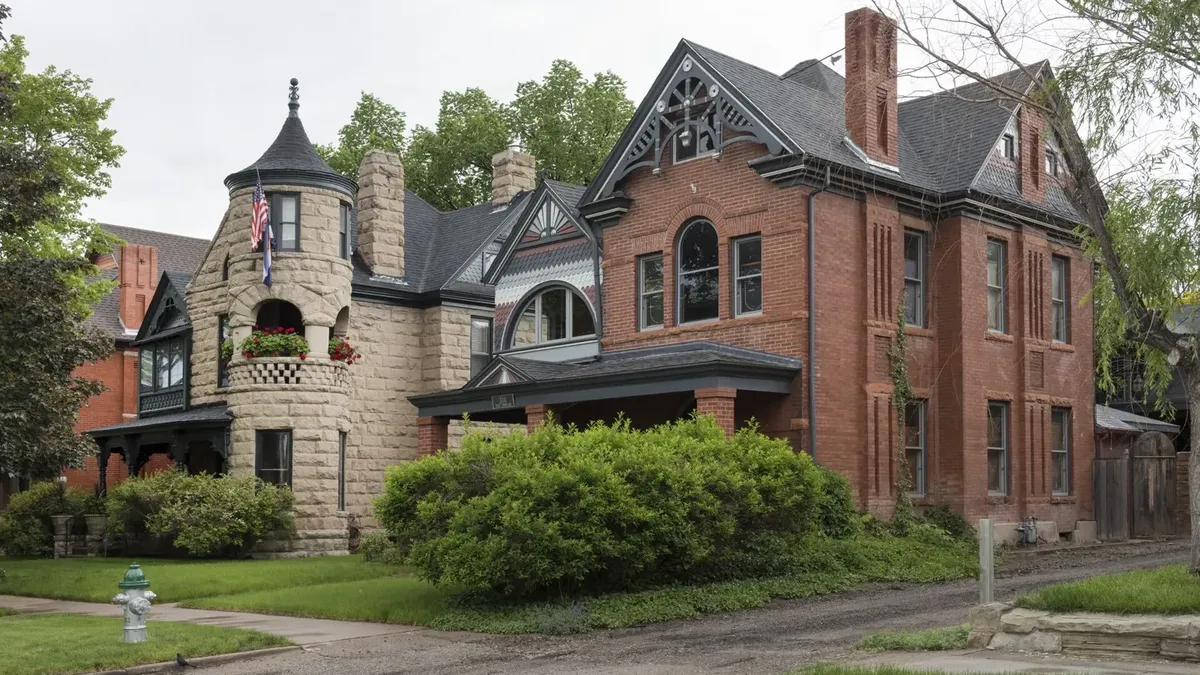
A buyer who plans exterior work files an application at least 21 days before the board's monthly meeting, held on the third Thursday at 2 p.m. at City Hall. Small jobs can go through a shorter review.
Sec. 12-12-3 covers any application "to erect, construct, renovate, demolish and/or alter an exterior of a building" in a reviewed district. It must reach "the planning services department at least 21 days prior to the regularly scheduled meeting of the board." The board has adopted the "Secretary of the Interior's Standards for Rehabilitation" as its yardstick.
The city's 2026 meeting schedule sets the last two meetings of the year for November 19 and December 17. The application deadlines are October 29 and November 25 (City of Pensacola, 2026 schedule). The board's rules say an applicant or an authorized agent must attend, and "Failure to attend will prevent consideration of the application."
| Review level | Examples from city sources | Who decides | Fee in the city quick guide |
|---|---|---|---|
| Board-for-board | Minor repairs with like materials | City staff approve or deny | None shown |
| Abbreviated review | Paint colors, signs, minor deviations from an approved project, exact replacement of roofing materials | A board architect, with sign-off from the Downtown Improvement Board director or the West Florida Historic Preservation advisor under the 2006 rules (the newer quick guide shows the UWF Historic Trust at that step); anything short of unanimous goes to the full board | $25 |
| Full board review | Additions, decks, accessory structures, garage doors, hurricane shutters, variance requests, any visible change | The seven-member board at its monthly meeting | $50 residential |
Sources: the ARB rules and procedures and the city's two historic district quick guides. Planning & Zoning can confirm current fees before anyone files.
Materials the board has already ruled on
The board's written policies tell a buyer early what will not pass. On vinyl and aluminum siding for a contributing structure, the policy (ARB, June 2021) says "in virtually all circumstances, a request for permission to use non-historic materials will be denied." Smooth fiber cement siding may be considered on side and rear walls not highly visible from the street, when the historic wood cannot be kept and repaired.
The city's residential quick guide points the same way. It lists wood as preferred for windows and doors and discourages vinyl windows. For foundations it shows brick piers with wood lattice.
For a seller, this is the cost a restoration buyer is weighing. You do not have to do any of it to sell.
Can a buyer tear down a contributing house in North Hill or Old East Hill?
Only in narrow cases. City Code Sec. 12-3-10 bars a demolition permit for a contributing structure unless the owner shows "clear and convincing evidence of unreasonable hardship." The code applies its demolition provisions in both preservation districts.
The section states plainly: "Demolition of a contributing structure constitutes an irreplaceable loss." It then says "no permit shall be issued for demolition of a contributing structure unless the owner demonstrates to the board clear and convincing evidence of unreasonable hardship." The board may also recommend "a six-month moratorium on the demolition."
This shapes who buys these houses. A buyer who wants only the lot faces the same hardship standard any owner would. Most buyers of a contributing house plan to keep the structure, and the work involved can show up in what they offer.
Sec. 12-12-3 lists "demolish" in the same application rule as renovation, so a demolition request also starts with the 21-day filing.
What does demolition by neglect mean while the house is still yours?
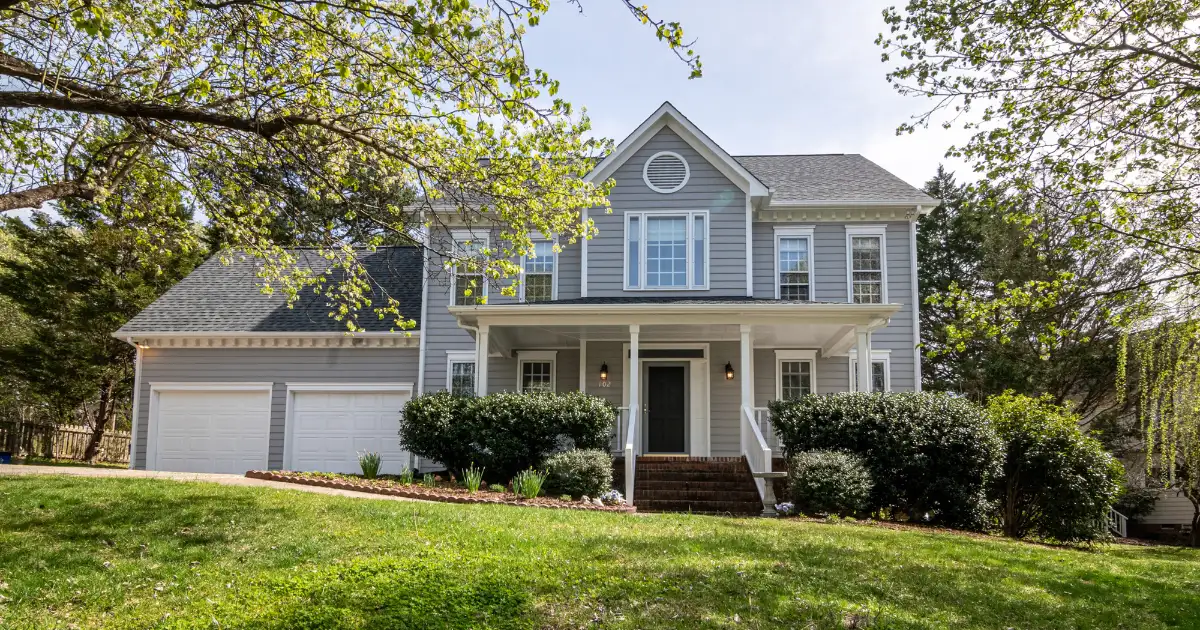
It means the owner has to keep a contributing structure from falling apart. Sec. 12-3-10 says "All contributing structures within the historic district shall be preserved against decay and deterioration," and that duty is yours until closing.
The section names specific conditions an owner must repair. Two of them are the parts of an older wood-frame house many sellers already watch:
- "(a) Deteriorated or inadequate foundation"
- "(c) Members of ceilings, roofs ... that sag, split, or buckle"
The code applies these provisions "(1)i through k" in the North Hill and Old East Hill preservation districts as well as downtown. So the duty reaches all three residential districts.
Vacant and inherited houses
An inherited house in North Hill can sit empty for months while an estate opens. A Florida attorney can explain how this duty applies to an estate during probate. Our guide to selling an inherited house in Pensacola covers the Escambia County probate steps that come before any sale.
If a code case has already produced a fine or a lien, the guide to selling a Pensacola house with a code enforcement lien explains how that works at closing. Either way, a sale moves the duty to the buyer. As-is means as-is: the buyer takes the foundation and roof as they are, along with the duty to repair them under ARB review.
Which disclosures come with a pre-1978 Pensacola house?
Federal law requires a seller of most pre-1978 housing to give lead paint information before the buyer signs, and all three residential districts date their houses well before 1978. Florida adds a separate flood disclosure.
The EPA's disclosure page (U.S. EPA, May 27, 2026) lists what a seller owes the buyer before a contract is signed:
- The pamphlet Protect Your Family From Lead In Your Home.
- Any known information about lead-based paint and its hazards in the house.
- All available records and reports on lead-based paint.
- A Lead Warning Statement, attached to or written into the contract.
- A 10-day period for a paint inspection or risk assessment. The parties may change it in writing, and the buyer may waive it.
The seller keeps a signed copy of the disclosures for three years after the sale. The EPA lists foreclosure sales and housing built after 1977 among the exceptions. A cash sale is not on that list, so the disclosure still applies.
Florida's flood rule is separate. Under Fla. Stat. § 689.302, "A seller must complete and provide a flood disclosure to a purchaser of residential real property at or before the time the sales contract is executed." The guide to selling a Pensacola house after the 2025 flood map change covers that form.
How do owners sell a historic Pensacola house without funding a restoration?
Most owners who will not pay for a restoration either list the house as-is or sell it directly to a cash buyer. Restoring first is the third path, for owners with the time and the budget.
Each path puts the ARB work on a different person. The table compares them.
| Path | Who files with the ARB | What you carry until closing | Lead disclosure |
|---|---|---|---|
| Restore, then list | You, before each exterior job | Repairs, upkeep, the neglect duty, board deadlines, then showings | Yes, before the contract |
| List as-is with an agent | The buyer, after closing | Upkeep, the neglect duty, showings, and the buyer's financing steps | Yes, before the contract |
| Sell as-is to a cash buyer | The buyer, after closing | Upkeep until a closing date you choose | Yes, before the contract |
If the house shows well and you have time, listing may net you more from a buyer who wants a restoration project. A direct sale trades some of that for fewer steps and a set date. Propcash buys this way, and the offer comes with the reasoning shown.
How can Propcash help with a historic Pensacola house?
Propcash is a direct cash homebuyer, and we want to buy your house as-is, whether it sits in North Hill, Old East Hill, or downtown. No repairs, no cleaning, no cleanout, and no ARB filing is asked of you before closing. Take what you want, leave the rest.
We'll make you one cash offer based on local market data and show you how we got to our number. There are no agent commissions and no fees, you pick the closing date, and a sale can close in as few as 7 days after the contract is signed. If a cash sale isn't your best move, we'll tell you. You can get a no-obligation cash offer or read more about selling a house fast in Pensacola.
Frequently Asked Questions
Does the Pensacola ARB review exterior paint colors?
Yes. Under the ARB Rules and Procedures, paint colors go through abbreviated review, where a board architect reviews the request instead of the full board. The city's residential quick guide points owners to a historic color palette. If approval is not unanimous, the request goes to the next full board meeting.
Do City historic rules apply to a Pensacola mailing address outside the city limits?
No. The Architectural Review Board and City Code Secs. 12-12-3 and 12-3-10 apply inside the City of Pensacola's limits. A house with a Pensacola mailing address in unincorporated Escambia County falls under County rules instead. The city's Planning & Zoning Division (850-435-1670) can confirm whether a parcel sits in a city district.
Is East Hill the same as the Old East Hill Preservation District?
Not entirely. The city describes the Old East Hill Preservation District as bounded by Gadsden Street, 9th Avenue, Wright Street, and Hayne Street. A house outside those streets is not in that district, even if the neighborhood goes by East Hill. A parcel check with the city's Planning & Zoning Division settles the question.
Can the next owner put vinyl siding on a contributing house in North Hill?
Almost never. The ARB's written policy says a request to use vinyl or aluminum siding on a contributing structure will be denied "in virtually all circumstances." The board may consider smooth fiber cement on side and rear walls that are not highly visible from the street, when the historic wood cannot be kept and repaired.
Does a cash buyer still receive the lead paint disclosure?
Yes. The EPA rule covers most pre-1978 private housing, and its listed exceptions include foreclosure sales and housing built after 1977, not cash sales. The seller provides the pamphlet, known information, available records, and the Lead Warning Statement before the contract is signed. A cash buyer may waive the 10-day inspection period.
Who has to attend the ARB meeting for a full board application?
The applicant or an authorized agent. The board's agenda notice asks applicants to be present or have an authorized agent attend, and it says "Failure to attend will prevent consideration of the application." After a sale, the applicant for any new exterior work is the new owner, not the seller.
Data Sources: City of Pensacola Architectural Review Board page, Historic Preservation page, ARB Rules and Procedures, 2026 meeting schedule, and historic district quick guides; Pensacola City Code Secs. 12-12-3 and 12-3-10; U.S. EPA Real Estate Disclosure page; Fla. Stat. § 689.302. Propcash is a direct cash homebuyer, not a law firm. Owners should consult a Florida attorney for case-specific guidance.
Reviewed by the Propcash Editorial Team under our editorial standards. Published by Propcash, a direct cash buyer of houses. This guide is general information. Laws, fees, and market figures change, so check the current rules for your state.