
You can sell a Melbourne, FL house with an open code case, but Florida law requires written disclosures to the buyer first.
The buyer gets the case papers and takes on compliance, and the seller files a transfer notice with the code official within 5 days. A recorded fine order is a lien on the land and on the violator's other property.
This is general information, not legal advice. State rules vary.
Jump to a section
Where does your Melbourne code case stand?
Free. No obligation. You choose the closing date.
If you need to sell a house with code violations in Melbourne, FL, the first question is where the case stands. An open case that has not reached its hearing comes with a written disclosure duty under Florida law. A fine order that has been recorded is a lien, and it stays in the public records until it is satisfied, released, or expires.
This guide starts with the disclosure duty, because it is the decision a seller with an open case faces first. It then covers fines, liens, homestead, and how to check a house with the City of Melbourne in Brevard County before you sign anything.
What must you tell a buyer about an open Melbourne code case?
You must tell the buyer about the case in writing, hand over the case papers, and state in writing that the new owner will be responsible for compliance. That duty applies when a Melbourne house is transferred between service of the initial pleading and the hearing (Fla. Stat. § 162.06(5)).
The rule covers a case before an enforcement board, a special magistrate, or a court. It does not depend on who the buyer is. A relative, a neighbor, and a cash buyer all receive the same papers.
The four duties in the statute
- Disclose in writing that the proceeding exists and what it is about.
- Give the buyer a copy of the pleadings, notices, and other case materials you received.
- Disclose in writing that the new owner will be responsible for meeting the code and the orders issued in the case.
- Within 5 days after the transfer, file a notice with the code enforcement official giving the new owner's name and address, with copies of the disclosures.
What a skipped disclosure means
Leaving out the first three disclosures before the transfer creates a rebuttable presumption of fraud under the same subsection. In general terms, a rebuttable presumption is a starting assumption that the other side can try to disprove.
The statute also says what happens to the case itself:
"If the property is transferred before the hearing, the proceeding shall not be dismissed, but the new owner shall be provided a reasonable period of time to correct the violation before the hearing is held."
Fla. Stat. § 162.06(5), Florida Statutes
A sale moves the open case to the new owner along with the house. The buyer gets a window to correct the violation before the board hears it.
Open code case or recorded lien: which stage is your Melbourne house in?
A Melbourne code case starts with a notice from the code inspector, and it becomes a lien only if a fine order is later recorded in the public records. The stage decides which rules a seller faces.
Under Fla. Stat. § 162.06(2), the inspector notifies the owner and gives a reasonable time to correct the violation. If it continues past that time, the inspector asks the board for a hearing. The board's staff then sends the owner written notice of the hearing.
Who hears Melbourne code cases
Melbourne City Code Sec. 2-270 establishes a code enforcement board under the authority of Florida Statutes chapter 162. Sec. 2-271 has the city council appoint its seven members, and Sec. 2-272 says chapter 162 governs the board in all respects (Melbourne Code of Ordinances).
The City's Code Enforcement Board page says the board meets about every six weeks at 6:00 p.m. in the Council Chamber. Its activities include fines and other non-criminal penalties when a pending or repeated violation continues to exist.
Repeat violations move faster
For a repeat violation, the inspector does not have to give the owner time to correct it before asking for a hearing (Fla. Stat. § 162.06(3)). The case can go to the board even if the repeat violation was fixed before the hearing.
- First noticeThe inspector notifies the owner and gives a reasonable time to correct (none required for a repeat violation)
- Not correctedThe inspector requests a hearing; the owner gets written notice
- Before the hearingA sale triggers the three written disclosures and a transfer notice within 5 days
- Fine orderDefault caps of $250 a day (first) and $500 a day (repeat)
- Order recordedA lien on the land and the violator's other real or personal property
- 3 months unpaidForeclosure or a money judgment may be authorized (no foreclosure on a homestead)
- 20 yearsThe lien ends unless a court action was started
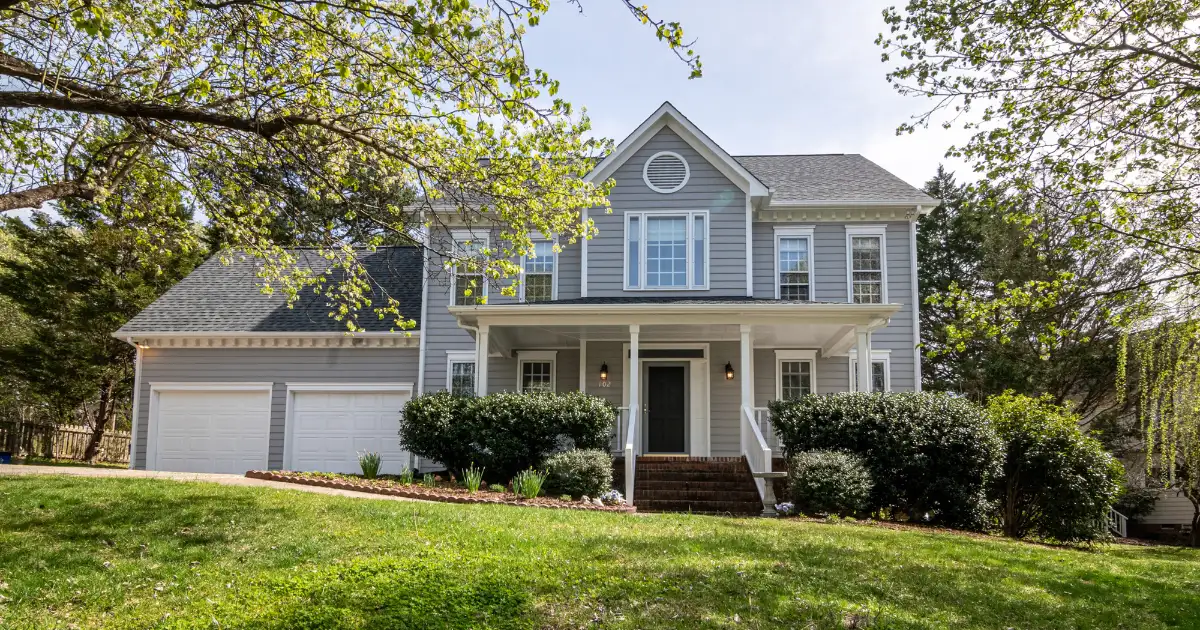
How high can code violation fines run in Melbourne, FL?
Florida's default caps are $250 a day for a first violation and $500 a day for a repeat violation (Fla. Stat. § 162.09(2)(a)). A board that finds a violation irreparable or irreversible may impose up to $5,000 per violation.
Section 162.09(2)(d) lets a county or city of 50,000 or more people adopt higher limits by ordinance, up to $1,000 a day for a first violation and $5,000 a day for a repeat. Melbourne is above that size, with a population of 88,499 (City of Melbourne, citing BEBR 2025). This guide gives the state default caps only, so Code Compliance is the place to confirm the schedule on a given case.
The fine keeps running
A daily fine continues to accrue until the violator comes into compliance or a court enters judgment, whichever comes first (Fla. Stat. § 162.09(3)). A small violation left open for months can produce a large balance.
Can a fine be reduced?
Florida law says an enforcement board may reduce a fine it imposed under section 162.09. When setting a fine, the board weighs three factors:
- The gravity of the violation.
- Any actions the violator took to correct it.
- Any previous violations by the violator.
The City pages read for this guide do not describe a Melbourne reduction process. The Code Compliance Division at 321-608-7900 can explain how to ask.
What does a recorded Melbourne code lien attach to?
A recorded fine order is a lien on the land where the violation exists and on any other real or personal property the violator owns (Fla. Stat. § 162.09(3)). A lien from one house can follow its owner to another.
That reach matters for owners with more than one house in Brevard County. A fine from a rental's code case can show up against the owner's other real estate. Florida law lets the City sign a satisfaction or release of the lien once it is resolved.
How long the lien lasts
A code lien can last up to 20 years after the fine order is recorded, unless the local government starts a court action within that time (Fla. Stat. § 162.10). In a foreclosure or money judgment action, the winning side can recover its costs, including a reasonable attorney's fee.
Homestead and lien foreclosure
After a lien has gone unpaid for 3 months, the board may authorize the local government's attorney to foreclose on it or sue for a money judgment. The statute bars foreclosure of these liens on real property that is a homestead under the Florida Constitution. A rental or second house has no such bar.
A code lien foreclosure is separate from a mortgage foreclosure. If a lender has filed against your house, our guide to selling before the Brevard County foreclosure sale covers that timeline.
What changes for the seller and buyer at each stage?
An open case puts a disclosure duty on the seller, a recorded lien puts a claim on the land, and a repeat violation shortens the road to a hearing. The table sets out each stage using only the statute's terms.
| Stage | What the seller faces | What the buyer takes on | Source |
|---|---|---|---|
| Open case, before the hearing | Three written disclosures before the transfer and a notice to the code official within 5 days after it | Responsibility for compliance with the code and the case orders, with a reasonable period to correct before the hearing | Fla. Stat. § 162.06(5) |
| Recorded fine order (lien) | A lien on the land and on the violator's other real or personal property; the fine accrues until compliance or judgment | A lien against the land being sold, until the local government signs a satisfaction or release | Fla. Stat. § 162.09(3) |
| Repeat violation | No required time to correct before a hearing; default cap of $500 a day | The same written disclosures and compliance duty if the house transfers before the hearing | Fla. Stat. §§ 162.06(3), 162.06(5), 162.09(2)(a) |
| Lien on a homestead | No foreclosure of the code lien on homestead real property | The lien itself is not barred; only foreclosure of it on real property that is a homestead | Fla. Stat. § 162.09(3) |
How do you check a Melbourne house for code liens before you sell?
You can request a municipal lien search from the City of Melbourne online, and the City's Code Compliance Division answers questions at 321-608-7900. Together, they show what the City has on record for an address.
The City's Search for a Municipal Lien page links to a Municipal Lien Search Request form under Financial Services. The page does not list a fee or a turnaround time. The Code Enforcement page says you can call the Code Compliance Division 24 hours a day at that number.
Confirm the house is inside city limits
The City's Flood Prevention page notes that a house with a Melbourne address may sit in unincorporated Brevard County, outside city limits. City Code cases cover houses inside the city, so it helps to know which side of the line a house is on. The same question comes up for flood rules in our guide to selling a Melbourne house in a flood zone.
Papers worth gathering
- The inspector's notice of violation and any hearing notice.
- Any order the board issued, and any recorded fine order.
- The lien search results from the City.
- Receipts, photos, or permits that show work already done.
If the case is still open, these are also the papers a buyer would need to receive under section 162.06(5).
Fix first, pay at closing, or sell with code violations as-is?
Melbourne sellers with a code issue generally choose among three paths: correct the violation before selling, settle a recorded lien from the sale proceeds, or sell the house as-is with the case disclosed. Each one fits a different stage and budget.
Correct the violation first
When the repair is small and the case is still open, fixing it can stop the daily fine from growing. Section 162.06(2) still lets the board hear a case corrected after the inspector's deadline. Fixing it early may also leave the buyer with less to take on.
Settle the lien from the proceeds
A recorded fine order sits in the public records, so a title search on the house may turn it up. A recorded lien can be paid from the seller's proceeds at closing. The local government can then sign a satisfaction or release of the lien.
Sell as-is with the case disclosed
A buyer who takes the house before the hearing takes on compliance after the transfer, once the disclosures are made. As-is means as-is: the repairs come with the house. Our page on selling a house with code violations covers how that kind of sale often works. Some sellers ask a Florida real estate attorney to review the disclosure papers before closing.
How can Propcash help with a Melbourne code case or lien?
Propcash is a direct cash homebuyer, and we can buy a Melbourne house as-is, open code case included. We make one transparent cash offer based on local market data and show you how we got to our number. There are no fees or commissions, and you pick the closing date, as few as 7 days after the contract is signed.
An offer gives you a number to compare with fixing the violation, settling the lien, or listing with an agent. If a cash sale is not your best move, we will tell you. When you are ready, you can get a cash offer on your Melbourne house, or read more about selling a house fast in Melbourne.
Frequently Asked Questions
Does selling a Melbourne house end the code enforcement case?
Selling the house does not end the case. Fla. Stat. 162.06(5) says the proceeding shall not be dismissed when the house transfers before the hearing. Instead, the new owner gets a reasonable period of time to correct the violation before the hearing is held.
Who handles a code case at a Melbourne, FL address?
Inside city limits, the City of Melbourne Code Compliance Division handles code cases, and it answers at 321-608-7900 or Code.Compliance@mlbfl.org. The City's Flood Prevention page notes that a house with a Melbourne address may sit in unincorporated Brevard County, outside city limits. For a house outside the city, the City's code process may not be the one that applies.
Can a Melbourne code lien reach a second house I own?
A recorded fine order can reach other real estate the violator owns. Fla. Stat. 162.09(3) makes it a lien on the land where the violation exists and on any other real or personal property owned by the violator. An owner with a rental and a homestead can find a lien from one house tied to the other.
Can the City foreclose a code lien on the house I live in?
Florida law bars foreclosure of a code enforcement lien on real property that is a homestead under the Florida Constitution. A house that is not homestead, such as a rental, has no such bar once the lien has gone unpaid for 3 months. Even on a homestead, the lien stays in the record and the fine keeps accruing while the violation stays open.
How long does a code enforcement lien last in Brevard County?
A code enforcement lien under Florida's Local Government Code Enforcement Boards Act can last up to 20 years after the fine order is recorded, under Fla. Stat. 162.10. It runs longer only if the local government starts a court action within that time. The same rule applies to City of Melbourne liens and to other Brevard County governments that use chapter 162.
What happens if a seller skips the code case disclosures?
Under Fla. Stat. 162.06(5), failing to make the three written disclosures before the transfer creates a rebuttable presumption of fraud. The statute also requires the seller to file a notice of the transfer with the code enforcement official within 5 days after the transfer. Some sellers ask a Florida real estate attorney to review the disclosure papers before closing.
Reviewed by the Propcash Editorial Team under our editorial standards. Published by Propcash, a direct cash buyer of houses. This guide is general information. Laws, fees, and market figures change, so check the current rules for your state.