
It often turns on one total: once five years of repairs reach 50% of the building's value, a Daytona Beach flood-zone house must meet elevation rules.
The lowest floor must reach the base flood elevation plus 1 foot, and the City counts no-permit work such as cabinets and flooring toward the total. Repair or sell, Florida requires a written flood disclosure at or before the contract (Fla. Stat. 689.302).
This is general information, not legal advice. State rules vary.
Jump to a section
Is your house in a FEMA flood zone?
Free. No obligation. You choose the closing date.
If you want to sell a storm-damaged house in Daytona Beach, Florida, the first number to know is a running total. The City's local amendment to the Florida Building Code, in Land Development Code Sec. 9.1, counts repairs and improvements "over a five-year period." Once their cumulative cost reaches 50 percent of the structure's market value, the work is a substantial improvement. In a flood zone, the lowest floor then has to reach the base flood elevation plus 1 foot.
That rule shapes the choice between repairing and selling as-is. This guide covers what counts toward the 50% total, how the math can play out, where flood history shows up, and what Florida's flood disclosure asks a seller.
What is Daytona Beach's five-year 50% rule?
It is the City's definition of substantial improvement: repairs made over a rolling five-year period that together cost 50 percent or more of the structure's market value. That value is measured before the first repair started, and the clock starts on the date all required permits are issued for the first improvement.
LDC Sec. 9.1 adds a second trigger. "If the structure has sustained substantial damage, any repairs are considered substantial improvement regardless of the actual repair work." A house hit hard enough in one storm can cross the line on its first repair.
How it differs from the federal definition
The federal flood insurance definition is the starting point. Under 44 CFR 59.1, substantial improvement is a project whose cost equals or exceeds 50 percent of the structure's market value before construction of that improvement starts. The federal text does not say whether separate projects are added together.
Daytona Beach's code answers that question: it adds the projects together across five years. A roof one year and a kitchen two years later can count as one total. Owners who repair in stages after more than one storm feel this difference most.
What counts toward the 50% total?
Every repair to the building counts, including work that needs no permit. The City's Post-Storm Recovery Permitting Guide lists which storm repairs need a permit. It then says some no-permit work still goes into the value of the scope.
"Some work that does not require a permit, such as replacing cabinets, plumbing fixtures ... and flooring materials, is still required to be accounted for as part of the value of the scope of work"
Permitting Guide, City of Daytona Beach post-storm recovery page
The guide applies that line to houses under Substantial Damage Review. The table puts the guide's lists next to the code rule.
| Storm repair | Permit? (City guide) | Toward the 50% total |
|---|---|---|
| Roof replacement or substantial roof repair | Yes | Counts (LDC 9.1 counts any repair) |
| Structural repairs: walls, trusses, balconies | Yes | Counts |
| Electrical service, HVAC equipment, water heater | Yes | Counts |
| Windows, doors, screen enclosures | Yes | Counts |
| Drywall removal or replacement | Yes | Counts |
| Cabinets, plumbing fixtures, outlets and switches, flooring | No | Still counted under Substantial Damage Review |
| Roof tarping, debris removal, storm tree removal, paint | No | The guide does not say; the Permits and Licensing Department can answer |
One practical point follows from the table. A repair estimate that leaves out cabinets or flooring can understate the total the City reviews.
What happens when a house crosses the 50% line?
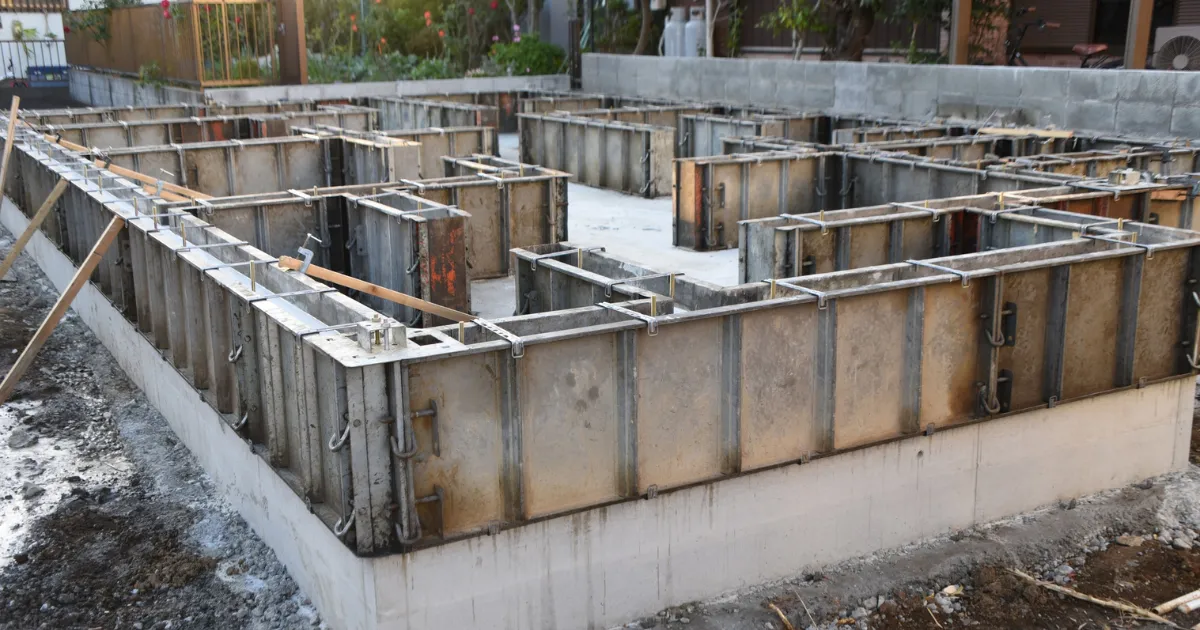
In a Special Flood Hazard Area, a house that crosses the line must have its lowest floor at or above the base flood elevation plus 1 foot. The City's guide words it as "Must meet FEMA Base Flood Elevation (BFE) plus 1 feet freeboard."
The code amendment to Florida Building Code section R322.2.1 sets the same height for lowest floors. The guide adds that the work must comply with "the latest Florida Building Code and local amendments." For an older house built low, that can mean raising the house or rebuilding it, instead of a repair.
A worked example with round numbers
The figures below are hypothetical, chosen only to show the arithmetic. Say a structure's market value was $200,000 before its first storm repair.
- Year 1: a $40,000 roof replacement, or 20% of the value.
- Year 3: $35,000 for cabinets and flooring after water came in. The running total is $75,000, or 37.5%.
- Year 4: $30,000 for drywall and HVAC. The running total is $105,000, or 52.5%.
Taken one project at a time, none of the three reaches 50%. Under the City's five-year count, the third project crosses the line. In a flood zone, that permit would bring the elevation rule into play.
How post-storm permitting works
After a declared state of emergency, the guide says the City will open a post-storm permitting center at 301 S. Ridgewood Avenue or another site. It lists expedited review in 1-3 business days for essential repairs. Inspections are scheduled within 24-48 hours of a request, weather permitting.
Where does flood history come up in Daytona Beach?
The City says Daytona Beach is subject to storm surge flooding, and it names a low area it calls "the bowl" where the Nova Canal is the major cause of flood damage. Its Flood Protection page says a May 2009 flood reached 790 structures.
The same page says the Nova Canal overtopped its banks and backed up through drainage outfalls into nearby neighborhoods. It describes the bowl as the area roughly bounded by Nova Road, Orange Avenue, U.S. 1, and Beville Road. The City also notes it is subject to storm surge flooding from the Atlantic and the Halifax River.
What the Hurricane Ian report says
The National Hurricane Center's Hurricane Ian report (updated March 2026) says Ian brought 21.49 inches of rain to Daytona Beach. It counts 40 buildings destroyed and 1,378 structures damaged in Volusia County.
The report adds that flooding of inland neighborhoods in Flagler and Volusia Counties "was largely the result of heavy rainfall." Those are countywide figures. The report does not list damage by city.
Records an owner can request
The City's Flood Insurance Rate Maps were first drawn by FEMA in 1973 and last updated in 2017, with the current maps effective September 29, 2017. The City provides two records at no charge to owners:
- A flood zone determination letter for the address.
- A copy of an elevation certificate, for buildings in a Special Flood Hazard Area built after 1986, if one is on file.

What must you disclose when you sell a house with flood damage in Daytona Beach?
Florida requires the seller of residential real property to complete and give the buyer a written flood disclosure at or before the time the sales contract is executed. The form is set out word for word in Fla. Stat. 689.302.
The form asks three yes-or-no questions:
- Whether the seller knows of any flooding that damaged the house during the seller's ownership.
- Whether the seller has filed a flood damage claim with an insurance provider, including the National Flood Insurance Program.
- Whether the seller has received assistance for flood damage, including from FEMA.
The statute defines flooding broadly. It includes overflow of inland or tidal waters and rapid runoff from a drainage ditch or similar source. It also covers "sustained periods of standing water resulting from rainfall," which fits the kind of rain flooding the City describes in the bowl.
The form also opens with a notice that homeowners' insurance policies do not cover flood damage. The Florida insurance and selling guide covers how coverage questions can affect a sale.
Repair first or sell as-is?
The choice often turns on where the house stands against the five-year total, and whether it sits in a flood zone. Repairing can make sense when the total stays well under 50%. Selling as-is can make sense when the next repair would cross the line and bring elevation into play.
The questions below come from the City rules and the state form covered above. Some owners work through them before they ask for repair estimates or offers.
Is the house in a Special Flood Hazard Area?
The City's free flood zone letter answers this, and the elevation rule applies there.
What was permitted in the last five years?
The rolling period starts when the permits for the first improvement are issued.
What was the structure worth before the first repair?
The 50% test measures repair costs against that market value.
Do the estimates include no-permit work?
Cabinets, plumbing fixtures, switches, and flooring count under Substantial Damage Review.
Could the storm damage itself be substantial?
If so, any repair counts as substantial improvement under LDC 9.1.
Are the three disclosure answers ready?
The Fla. Stat. 689.302 form goes to the buyer at or before the contract is signed.
A house with an open permit or an unpaid City fine raises its own questions. The guide to selling a Daytona Beach house with a code lien covers that side, and the major repairs page covers selling a house that needs large work.
How can Propcash help with a storm-damaged Daytona Beach house?
Propcash is a direct cash homebuyer, and we buy houses as-is, so a storm-worn roof or a gutted kitchen does not have to be fixed before you sell. We make one cash offer based on local market data and show how we got to our number. There are no agent commissions, no closing costs charged to you, and no fees.
A cash offer can sit next to your repair estimates and a listing estimate, so you can compare them on the same page. You pick the closing date, and a sale can close in as few as 7 days after the contract is signed. If a cash sale is not your best move, we will tell you. You can get a no-obligation cash offer or read more on our Daytona Beach cash house buyer page.
Frequently Asked Questions
Does the five-year repair clock start over when a Daytona Beach house is sold?
The Land Development Code text ties the five-year period to the building and to the date the permits for its first improvement were issued. It says nothing about a change of owner. A buyer can ask the City's Permits and Licensing Department which permits already fall inside the period before planning work.
How can an owner find the flood zone for a Daytona Beach address?
The City's Utilities Engineering Division provides a flood zone determination letter at no charge, and in most cases only the street address is needed. It can also provide a copy of an elevation certificate for a building in a Special Flood Hazard Area built after 1986, if one is on file. The City's interactive flood zone map shows the zone for an address as well.
Does Florida's flood disclosure apply to an as-is cash sale?
Fla. Stat. 689.302 says a seller must give the flood disclosure to a purchaser of residential real property at or before the time the sales contract is executed. The statute's text lists no exception for an as-is sale or a cash sale. An as-is clause covers the house's condition, and the disclosure covers what the seller knows about flooding.
Does standing rainwater count as flooding on the disclosure form?
Yes. The form defines flooding to include sustained periods of standing water resulting from rainfall, and the unusual and rapid buildup of runoff from a drainage ditch or similar source. That matters in Daytona Beach, where the City says the May 2009 flood came from the Nova Canal backing up into nearby neighborhoods.
What if an heir does not know whether an inherited house ever flooded?
The first question on the Florida form asks about flooding that damaged the house during the seller's ownership. An heir who has owned the house for a short time may know little about earlier years. A free flood zone letter and any elevation certificate on file with the City can help fill in the record.
Does a cash buyer of a storm-damaged house have to raise it?
Only if the buyer's own repairs, added to any earlier work inside the five-year period, reach 50% of the structure's market value and the house sits in a Special Flood Hazard Area. The same rule that applies to the seller applies to the buyer's permits. A buyer who expects to rebuild usually factors that into the price.
Reviewed by the Propcash Editorial Team under our editorial standards. Published by Propcash, a direct cash buyer of houses. This guide is general information. Laws, fees, and market figures change, so check the current rules for your state.