

While the estate is open, the personal representative can sell; after distribution, any heir may ask a Canyon County court for partition.
Under Idaho Code 6-512, the court may order a sale only when dividing the property would cause great prejudice to the owners. Partition costs, including reasonable counsel fees for the common benefit, are shared by each owner's interest.
This is general information, not legal advice. State rules vary.
Jump to a section
Is the estate for your Nampa house still open?
Free. No obligation. You choose the closing date.
When heirs disagree on selling an inherited house in Nampa, Idaho, the answer depends on one question: is the estate still open? While it is, the personal representative usually holds the power to sell. Once the house has been distributed, the heirs own it together, and Idaho's partition statutes take over.
This guide covers that second stage, plus the tools for disagreements during probate. The estate-opening steps live in our guide to selling an inherited house in Idaho, so they are not repeated here. Nothing here takes a side among relatives, and nothing has to be decided this month.
Who decides whether an inherited Nampa house is sold while the estate is open?
While an Idaho estate is open, the appointed personal representative decides, within the limits of the will and the court. Under Idaho Code § 15-3-711, the representative has "the same power over the title to property of the estate that an absolute owner would have." That power is held in trust for creditors and others interested in the estate.
That power may be used without notice, hearing, or court order. Unless the will or a formal order says otherwise, Idaho Code § 15-3-715 lets a representative acting reasonably for the interested persons sell land at public or private sale.
The duties that come with the power
The power is not a free hand. Idaho Code § 15-3-703 makes the representative a fiduciary held to the standards of care that apply to trustees. The representative must use that authority for the best interests of the successors to the estate.
When an heir objects to a planned sale
An heir who believes a sale would unreasonably harm their interest has a court route. Under Idaho Code § 15-3-607, any person who appears to have an interest in the estate may petition for a temporary order restraining specified acts. The hearing is set within ten days unless the parties agree otherwise.
The representative can also ask the court for direction. Idaho Code § 15-3-704 lets a representative invoke the court's jurisdiction to resolve questions about the estate or its administration. Either step is a decision for the family's lawyers, not a form to fill out alone.
An heir who is not the appointed representative holds no power to sign for the estate. After distribution, each co-owner holds only their own share, and no one heir can sell the others' shares.
Can heirs settle a disagreement before the estate closes?
Yes. The Idaho probate code gives families two tools short of a separate lawsuit: a written agreement among the successors, and a partition petition inside the probate case itself.
A written agreement among the successors
Idaho Code § 15-3-912 lets competent successors agree among themselves to alter their interests or shares "in any way that they provide." The agreement must be a written contract signed by everyone it affects. The representative must then abide by it, subject to creditors, taxes, and administration costs.
This is where a buyout often lives. One heir may take the house while the others take more of the cash, or a sale price may be agreed in advance. The section does not set the price; the heirs do.
Partition inside the probate case
When two or more heirs or devisees are entitled to undivided interests, Idaho Code § 15-3-911 lets the representative or any of them petition the court to partition before the estate closes. The court partitions the property the same way as a civil partition action. It may direct the representative to sell property that cannot be partitioned without prejudice and cannot conveniently go to one person.
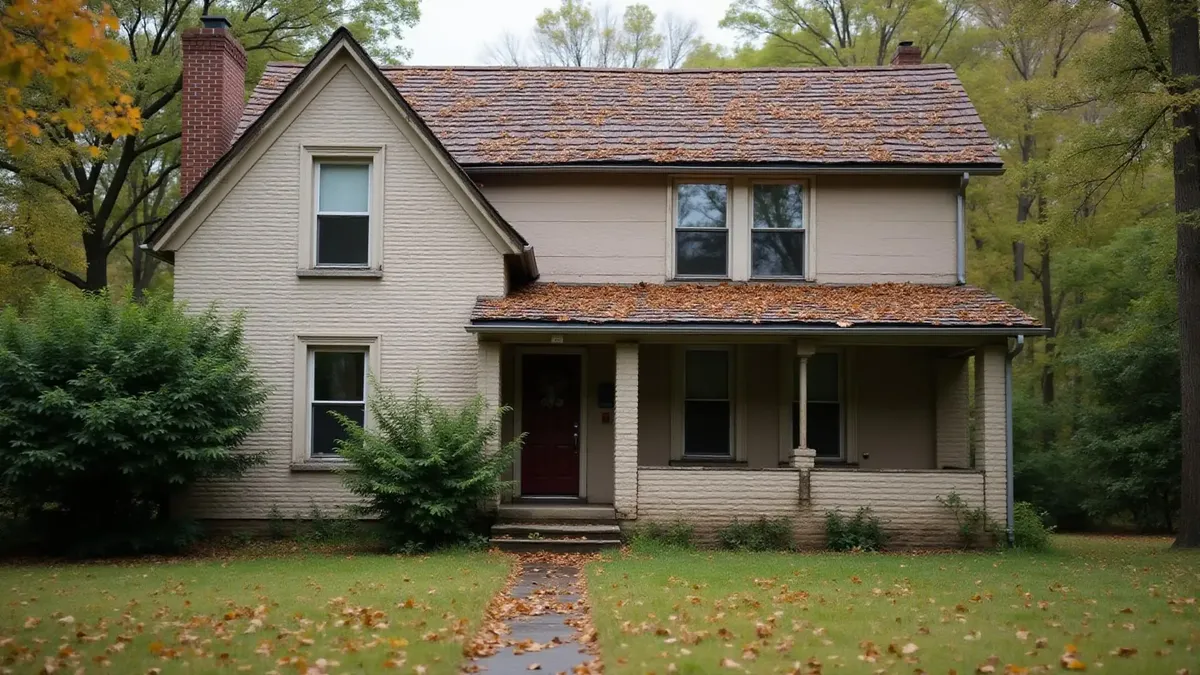
How does a partition action work in Canyon County, Idaho?
After distribution, a partition action is a civil lawsuit in district court, brought by one or more co-owners against the others.
Idaho Code § 6-501 allows it when several cotenants hold and are in possession of real property "as parceners, joint tenants or tenants in common." The action asks for a division by each person's rights. It can also ask for a sale if a division would cause great prejudice to the owners.
Heirs who receive a house together usually hold it as tenants in common. Idaho Code § 55-104 makes an interest created for several persons an interest in common, unless it is declared a joint interest or another exception applies. The deed of distribution under Idaho Code § 15-3-907 is the paper that shows each heir's title.
Where a Nampa case is filed
Nampa is in Canyon County, which the Idaho Supreme Court lists in the Third Judicial District. The district's page places it at the Canyon County Courthouse, 1115 Albany Street, Caldwell. The court clerk works from Room 201 of that building.
The steps in order
| Step | What the statute says | Idaho Code |
|---|---|---|
| Complaint | Sets out every person's interest in the property, as far as the plaintiff knows it | 6-502 |
| Notice of the action | Filed with the county recorder right after the complaint; it then counts as notice to all persons | 6-504 |
| Lienholders | A lien or conveyance must be of record for its holder to be a required party | 6-503 |
| Proof of title | Every party's rights may be tried; title must be proved before any judgment of sale | 6-508 |
| Judgment | A sale if division means great prejudice; otherwise division by three referees | 6-512 |
| Report and confirmation | Referees report a division or a sale; the court may confirm, change, or set aside a division report, and a confirmed sale leads to an order to convey | 6-514, 6-515, 6-533, 6-534 |
| Proceeds | Paid to the people entitled as the court directs, or paid into court | 6-520, 6-522 |
In Canyon County, the clerk of the district court is also the county recorder, according to the Canyon County Clerk's page. A recorded notice of a pending partition is the kind of entry a buyer's title search would normally turn up.
Will a Canyon County court divide the land or order a sale?
The court divides the property unless the evidence shows a division would cause great prejudice to the owners. Only then may it order a sale. The test sits in Idaho Code § 6-512.
"...the property, or any part of it, is so situated that partition cannot be made without great prejudice to the owners, the court may order a sale thereof."
Idaho Code § 6-512, partition, sale, and referees
Division by referees
Otherwise, the court must order a partition by the parties' rights and appoint three referees. With the parties' consent, it may appoint a single referee instead (Idaho Code § 6-546). Under Idaho Code § 6-513, referees divide the property by quality and quantity, mark the portions with landmarks, and may hire a surveyor.
Where a fair split cannot come out equal, Idaho Code § 6-541 lets the court order one party to pay another for the difference. Whether a given house can be split at all is a question for the court on the evidence. A licensed Idaho attorney can explain how the test may apply to one lot.
How a court-ordered sale runs
A referee's sale is a public sale, not a private listing. Idaho Code § 6-524 requires notice published the way a sale of real property on execution is noticed. The notice must state the terms and any prior estate, charge, or lien.
The terms must be made known at the time, and distinct farms or lots must be sold separately under Idaho Code § 6-531. That rule matters for acreage near Lake Lowell, covered in our guide to selling Nampa acreage with a water right. The referees then report the sale, and only a confirmed sale leads to an order for them to sign the deeds (Idaho Code §§ 6-533 and 6-534).
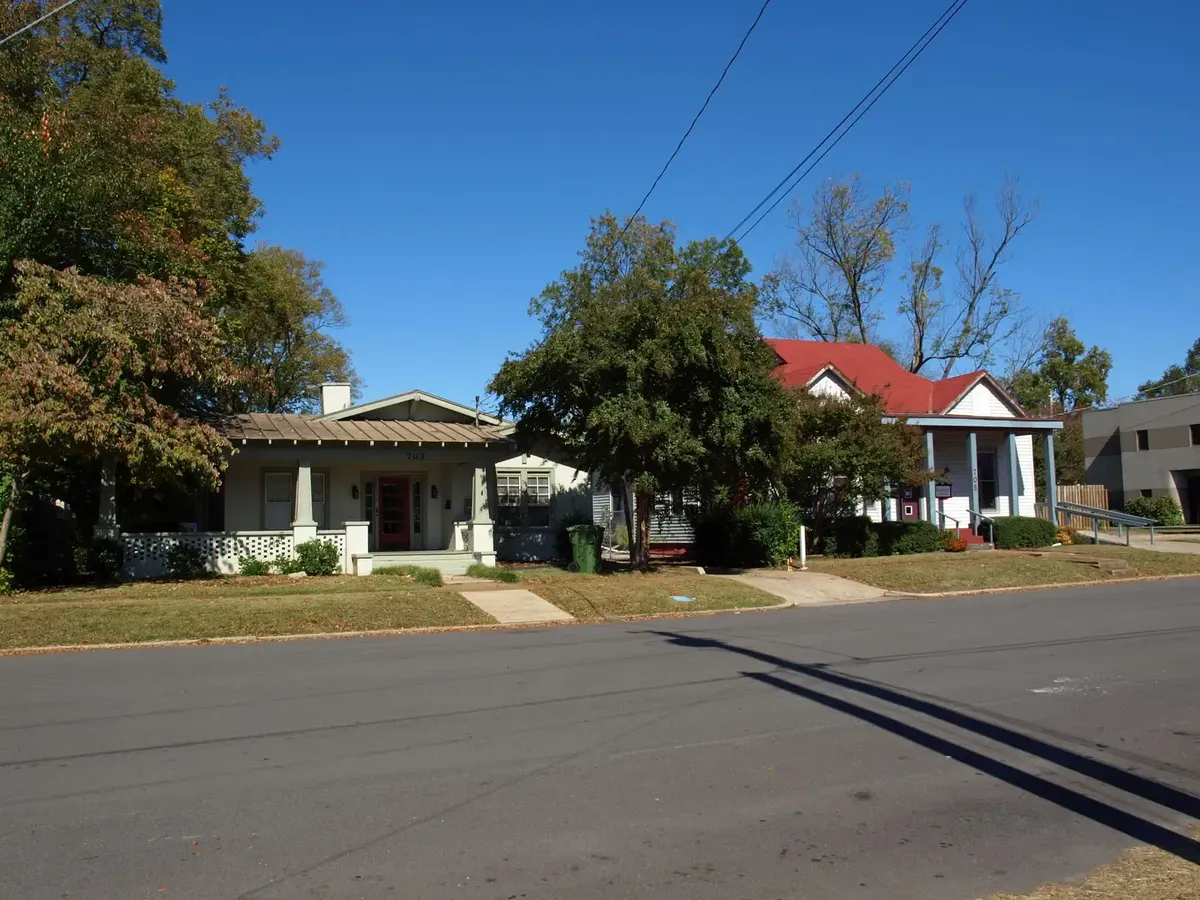
Who pays the costs of a partition in Idaho?
The owners pay, in proportion to their shares. Idaho Code § 6-545 covers the costs of partition. That includes reasonable counsel fees spent by any party "for the common benefit," referee fees, and other disbursements.
- Shared costs: split by each owner's interest, and they may become a lien on each share (6-545).
- Fights between some owners: when litigation arises between some parties only, the court may make those parties pay for it (6-545).
- Title abstract: under section 6-547, a needed abstract's cost is allowed and taxed in the case.
- Order of payment from an encumbered sale: section 6-520 puts general costs first, then costs of the reference, then liens by priority, then the rest to the owners by share.
Every dollar spent on a contested case comes out of the same house, which is one reason a family may look for an agreement first.
What are the paths when heirs disagree on selling an inherited Idaho house?
Three paths are open: an agreed sale, a buyout of one or more heirs, or a partition action. The table below sets them side by side, using only what the statutes and court rules say.
| Path | What it needs | Who decides | Who pays the costs |
|---|---|---|---|
| Agreed sale | Estate open: the representative's power under 15-3-711 and 15-3-715. After distribution: every owner of record on the deed | The representative, within the will and any order; after distribution, the owners together | Set by the sale contract; any change in shares can be put in writing under 15-3-912 |
| Buyout of one or more heirs | During the estate, a written contract signed by everyone affected (15-3-912) | The heirs, by agreement; no court sets the price | As the heirs agree; the buying heir pays the agreed price |
| Partition action | A complaint in district court (6-501), or a petition in the probate case before it closes (15-3-911) | The court: division by referees, or a sale if division means great prejudice (6-512) | The owners, by share, including reasonable counsel fees for the common benefit (6-545) |
Mediation inside a lawsuit
Filing does not end the chance to agree. Idaho Rule of Civil Procedure 37.1 says "all civil cases may be referred to mediation." The mediator helps the parties find points of agreement, and any agreement rests on their own decisions. Unless they arrange otherwise or the court orders it, the parties share the mediator's fees pro rata.
What makes an inherited house in Old Nampa different?
Nampa's oldest houses stand in the old railroad core, Downtown and Old Nampa. Long-held, original-owner houses like these can pass to several children at once.
Older houses can split families. One heir may want to rent the house out, another to restore it, and a third to sell it as-is. A house held for decades may also carry an old lien or a title question.
- How title reads: the Canyon County recorder holds the recorded deed and any deed of distribution.
- Liens of record: under section 6-503, a lienholder must be of record to be a required party in a partition case.
- Who holds the keys: under Idaho Code § 15-3-709, the representative may take possession and must protect the estate while it is open.
A house on the edge of town can raise other issues. Some Canyon County families inherit a manufactured home on its own land, covered in our guide to selling a manufactured home with land in Nampa. For the steps that apply in every state, see our national guide to selling inherited property.
How can Propcash help heirs who disagree about a Nampa house?
Propcash is a direct cash homebuyer, so we can make one transparent, data-backed cash offer on the house as-is. We show how we got to our number, which gives every heir the same written figure to review. No repairs, no cleaning, and no showings are needed, and sellers pay no fees or commissions.
An offer can sit next to a buyout figure or a listing estimate while the family and its lawyers talk. When the representative or all the owners are ready, the closing date is theirs to pick, and cash sales can close in as few as 7 days. If a cash sale is not your best move, we will tell you. You can request a no-obligation cash offer or read about how we buy houses on our Nampa page.
Frequently Asked Questions
Can one heir force the sale of an inherited house in Nampa?
No heir can sell the other heirs' shares on their own. After distribution, Idaho Code 6-501 lets one or more co-owners ask the court for a partition. The court may order a sale only if a division would cause great prejudice to the owners (Idaho Code 6-512). The decision belongs to the court, on the evidence, and a licensed Idaho attorney can explain how that test may apply to a particular house.
Does every heir have to sign while the Idaho estate is still open?
Generally not. Idaho Code 15-3-711 gives an appointed personal representative the same power over the title to estate property that an absolute owner would have, held in trust for creditors and others interested in the estate. That power is subject to the will and to any order in a formal proceeding, and an interested person can ask the court to restrain a specific act under Idaho Code 15-3-607.
How long does a partition case take in Canyon County?
Idaho's partition statutes do not set a deadline for the whole case. The steps run in order: a complaint, a recorded notice of the action, proof of title, and a judgment (Idaho Code 6-504, 6-508, and 6-512). A division by referees or a sale follows. The court may confirm, change, or set aside a division report, and only a confirmed sale leads to an order to convey (Idaho Code 6-515 and 6-534). A licensed Idaho attorney who practices in the Third Judicial District can describe current timing in Canyon County.
Can the heirs agree to change their shares instead of going to court?
Yes, within limits. Idaho Code 15-3-912 lets competent successors agree among themselves to alter their interests or shares in any way they provide in a written contract signed by everyone affected. The personal representative must follow that agreement, subject to the duties owed to creditors, taxes, administration costs, and any successor who did not sign.
Does a pending partition case show up on the title to the house?
It should. Idaho Code 6-504 requires the plaintiff, right after filing the complaint, to file a copy of it or a notice of the pending action with the recorder of the county where the property sits. From the time of that filing it counts as notice to all persons, which is why a buyer's title search would normally reveal it.
Where can Nampa heirs find an attorney for a partition question?
The Idaho State Bar runs a Lawyer Referral Service as a public service. Its page says participating attorneys give an initial consultation of up to a half hour at no fee, and the referral fee is $35 for most matters. Each heir may want separate advice, since a partition case puts co-owners on opposite sides.
Reviewed by the Propcash Editorial Team under our editorial standards. Published by Propcash, a direct cash buyer of houses. This guide is general information. Laws, fees, and market figures change, so check the current rules for your state.
