
Cole County holds its tax sale on the fourth Monday in August, and owners usually have one year after it to redeem.
Land with taxes unpaid for three years is offered at 10 a.m. at the Cole County Courthouse, and you can pay the full balance any time before the sale. The purchaser gets a certificate of purchase, not the house, and a deed only after redemption ends and 90 days' notice.
This is general information, not legal advice. State rules vary.
Jump to a section
Is your parcel on this year's tax sale list?
Free. No obligation. You choose the closing date.
If your real estate taxes have gone unpaid for three years, the Cole County tax sale is the date that matters most. The Cole County Collector says land delinquent for 3 years is subject to its tax certificate sale. The sale is held each year on the fourth Monday in August at 10 a.m. at the Cole County Courthouse in Jefferson City, Missouri.
Until that morning, you can pay the taxes, penalty, interest, and costs to the collector. After it, you generally have one year to redeem. This guide covers each date, what the purchaser actually gets, and the choices open to you at each stage.
When does a Cole County tax sale happen?
A Cole County tax sale happens once a year, on the fourth Monday in August at 10 a.m. It covers land whose taxes have gone unpaid for three years, according to the collector.
Missouri law, RSMo 140.150, sets the fourth Monday in August for the sale. By the calendar, the next sale falls on August 23, 2027. The collector publishes the list of parcels in the Jefferson City News Tribune for three consecutive weeks before the sale.
Taxes, penalties, and the three-year line
The collector's tax bill page says bills go out in November and are due by December 31. The postmark decides whether a payment is on time. Under RSMo 140.010, taxes still unpaid on January 1 are delinquent. The collector says penalties and fees can reach as high as 25% during the first year of delinquency.
The tax is a lien that stays with the land, so it follows the house if ownership changes. A missing bill does not cancel the tax or the late charges. The collector asks owners to call 573-634-9124 if no bill arrives by the second week of December.
Which collector handles your parcel
Jefferson City sits in two counties. The Census Bureau's 2020 place-by-county file lists the city in both Cole County and Callaway County. This guide covers Cole County parcels, so your tax bill shows which collector applies to your house.
The Cole County delinquent property taxes timeline
Cole County delinquent property taxes follow a fixed path. Bills are due December 31 and delinquent January 1, the parcel goes to the August sale after three years unpaid, and a one-year redemption period follows before any deed.
| Date or trigger | What happens | Source |
|---|---|---|
| November to December 31 | Bills are mailed in November and due by December 31, by postmark. | Collector, Real Estate Property Taxes page |
| January 1 | Unpaid taxes become delinquent. Penalties and fees can reach 25% in the first year. | RSMo 140.010; Collector |
| Before the list is published | The collector mails a notice by first class mail, plus certified mail if the assessed value is over $1,000. | RSMo 140.150 |
| Three weeks before the sale | The list runs in the Jefferson City News Tribune for three consecutive weeks. | Collector, tax sale page |
| Any time before the sale | The owner may pay the taxes, penalty, interest, and costs to the collector. | RSMo 140.150; Collector |
| Fourth Monday in August, 10 a.m. (August 23, 2027, by the calendar) | The tax certificate sale at the Cole County Courthouse, for land 3 years delinquent. | RSMo 140.150; Collector |
| One year from the sale | The absolute right to redeem ends. A defeasible right continues until a collector's deed issues. | RSMo 140.340; Collector |
| At least 90 days before a deed | The purchaser must notify the owner and recorded lienholders of the right to redeem. | RSMo 140.405; Collector's Deed page |
| 18 months from the sale | A purchaser with no recorded collector's deed loses the lien. The county page states 2 years from the certificate date. | RSMo 140.410; Collector's Deed page |
| 90 days after redemption ends | Deadline to file a written surplus claim with the county commission. | RSMo 140.230 |
Residential real estate in Cole County is assessed at 19% of market value, so nearly every house clears the $1,000 line for a certified notice. Even so, the deadlines do not wait for the mail. The collector says a notice that never arrives does not change the legal time limits for redeeming.
What does the tax certificate sale actually sell?
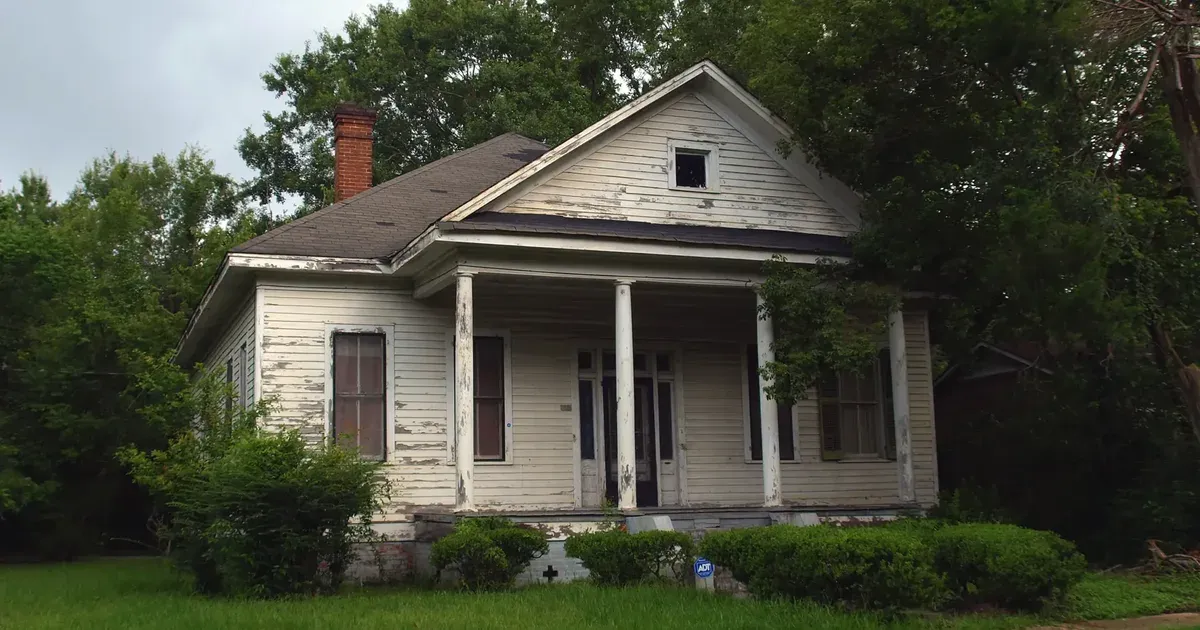
The tax certificate sale sells a lien on the parcel, not the house itself. The purchaser pays the amount due that day and receives a certificate of purchase, and you remain the owner during the redemption year.
The opening amount is the taxes, penalties, and sale costs, and the full price is due to the collector at the close of the sale. The collector then issues and mails a certificate of purchase. The purchaser holds it for one year or until the parcel is redeemed.
"Liens are not extinguished at the time of sale or during any period of redemption."
Cole County Collector, Delinquent Tax Certificate Sale page
In plain terms, your mortgage and any other recorded liens stay in place through the redemption year. The Collector's Deed page says liens end only once a collector's deed issues and notice to lienholders is proven. It names a federal tax lien as a possible exception.
What the 2026 results show
The county's 2026 sale results list 17 parcels offered. Seven sold, for $98,350 combined, against about $16,717 in taxes and costs on those seven. The county listed $81,632.68 of that total as surplus, and the other ten parcels drew no purchaser.
The gap shows what is at stake. A modest tax debt can put a much larger share of a parcel's value on the table, which is why the redemption and surplus rules below matter.
How long do you have to redeem after the sale?
You have one year from the sale date to redeem, and the right can continue until the purchaser takes a collector's deed. RSMo 140.340 calls the first year an absolute right and the time after it a defeasible right.
The county's redemption page says the owner of record can redeem. So can anyone holding a recorded deed of trust, mortgage, lease, lien, or claim. Someone redeeming for the owner needs a signed authorization.
What redeeming costs
The redemption amount starts with the full price on the certificate, not only the taxes. The collector and the statute list these parts:
- The amount on the certificate of purchase.
- Interest of 10% a year on the sale amount, less any surplus.
- Any later years' taxes the purchaser paid, plus 8% a year.
- Costs of sale the collector sets, including title search and notice costs incurred after March 1 following the sale.
No interest runs on the surplus part of the price. The collector asks for 24 hours' notice and about 20 minutes to process. Payment must be a cashier's check, money order, or bank draft, and the county then issues a Certificate of Redemption.
Selling during the redemption year
Under RSMo 140.405, an owner must redeem before transferring ownership of a parcel sold at a tax sale. An owner who transfers first must repay the purchaser the full price on the certificate and the sale costs. The collector's office can give the redemption figure before a closing.
When can the purchaser get a collector's deed?
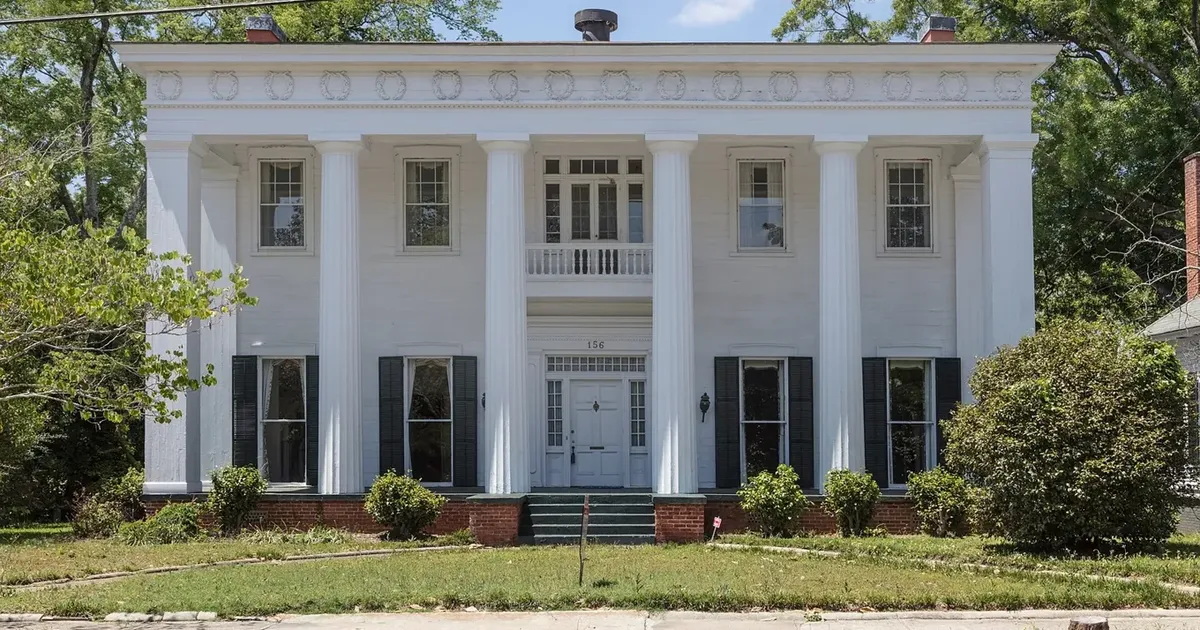
A purchaser can ask for a collector's deed only after the one-year redemption period ends and the notice steps are done. Under RSMo 140.405, the purchaser must notify the owner and every recorded lienholder of the right to redeem at least 90 days before.
The Collector's Deed page lists the other conditions: a title search, an affidavit, the surrendered certificate, fees, and all taxes paid. Under the statute, a purchaser who skips the notice rules loses all interest in the real estate.
Under RSMo 140.410, the purchaser has 18 months from the sale to record a deed, or the lien ends. The county's page states the window as two years from the certificate date. The collector's office can confirm the date it applies to your parcel.
Parcels that go unsold
A parcel offered two years in a row with no purchaser goes to a third offering. Under RSMo 140.250, a third-offering sale carries only a 90-day redemption period, and a sale after the third offering carries none. The 2026 results list parcels from their first through eighth offerings, and several went unsold.
Where the surplus goes
Any amount above the taxes and costs is surplus. Under RSMo 140.230, the collector pays it into the county treasury. It goes first to former lienholders of record by priority, then to the former owner.
A claim must be in writing and filed with the county commission within 90 days after the redemption period ends. The county pays no interest, and money unclaimed after three years becomes a county school fund. The Property Redemption page says disputed claims go to a public hearing before the Cole County Commission.
Do Jefferson City special tax bills change the payoff?
Yes, for houses inside the city limits, an unpaid Jefferson City special tax bill can become part of the county payoff. Delinquent city liens over 30 days old go to the Cole County Collector each year under Sec. 21-24 of the City Code.
The City Clerk's special tax bills page says that once a lien is attached, the property tax and the lien cannot be paid separately. Both are paid together as one total. These bills come from Chapter 21 abatement, when the City cleans up a hazard on private land and bills the owner.
The lien stays with the house, not the owner, if it changes hands. The county's Nuisance Abatements page adds that an abatement bill is also a personal debt of the owner. It is due by December 31 and delinquent on January 1.
Your options before and after the Jefferson City MO tax sale
Before the Jefferson City MO tax sale, you can generally pay in full or sell with the taxes paid at closing. After it, you can redeem, sell and redeem at closing, or, if the parcel is not redeemed, claim any surplus within 90 days after redemption ends.
| Option | When it fits | What it takes | Source |
|---|---|---|---|
| Pay the collector | Any time before the August sale | Taxes, penalty, interest, and costs, plus any attached city special tax bill | RSMo 140.150; City Clerk |
| Quarterly plan | Current bills only | No prior delinquent real estate taxes on the parcel | Collector, quarterly application |
| Sell before the sale | Any time before the August sale | The payoff, cleared at closing because the new owner is liable for unpaid taxes | Collector, Real Estate Property Taxes page |
| Redeem after the sale | Within one year, and until a deed issues | Certificate amount, 10% interest, later taxes at 8%, and costs | RSMo 140.340; Property Redemption page |
| Sell during redemption | Before a collector's deed issues | Redemption paid first, often from the proceeds | RSMo 140.405 |
| Claim the surplus | After the redemption period ends | A written claim within 90 days after redemption ends | RSMo 140.230 |
Paying in full or using the quarterly plan
The collector accepts the full delinquent amount any time before the sale. The county's quarterly payment application lets a qualified parcel pay current taxes in four installments. It requires no prior delinquent real estate taxes on that parcel, so it does not cover back taxes. The collector's office can say what it accepts for a past-due balance.
Selling before August
The collector says a new owner is liable for any unpaid taxes, so a closing usually pays them off. A title company can confirm the amount with the collector, including any attached city lien. Current-year taxes are generally prorated between buyer and seller.
For a closing on or after October 1, the collector says the bill may still go out in the seller's name unless the buyer updates the ownership. A seller who gets that bill can send the new owner's name and address to the collector.
Some owners weigh a listing against a direct cash sale, and our guide to the best ways to sell a house for cash in Jefferson City sets out both. If a mortgage is also behind, the Jefferson City foreclosure guide covers that separate calendar. Owners in the county's senior program can read how the Cole County senior tax credit works when you sell.
How can Propcash help before the August sale?
Propcash is a direct cash homebuyer, and we can make you a cash offer on a Cole County house with back taxes. We buy houses as-is, with no repairs, no cleaning, and no showings. The back taxes and any attached city lien can typically be paid from the proceeds at closing, and you pick your closing date.
Our offers are based on local market data, and we show you how we got to our number, so you can set it beside paying the collector, redeeming, or listing. If a cash sale isn't your best move, we'll tell you. Our Jefferson City cash home buyer page explains how a local sale works, or you can get a no-obligation cash offer and close in as few as 7 days after the contract is signed.
Common questions about the Cole County tax sale
What date is the 2027 Cole County tax sale?
Missouri law sets the sale for the fourth Monday in August, which by the calendar falls on August 23, 2027. The Cole County Collector holds it at 10 a.m. at the Cole County Courthouse in Jefferson City. The list of parcels runs in the Jefferson City News Tribune for three consecutive weeks before the sale, so the collector's office can confirm whether a parcel is on it.
Can I sell my Jefferson City house if I owe Cole County back taxes?
Yes, a Jefferson City house with Cole County back taxes can usually still be sold, because the taxes are a lien that a closing can pay off. The title company can confirm the payoff amount with the collector before closing. A direct cash buyer such as Propcash can buy the house as-is with the payoff handled at closing.
Does the tax sale purchaser own my house right away?
No, the purchaser at the Cole County tax certificate sale receives a certificate of purchase, not a deed. The owner keeps title during the one-year redemption period, and recorded liens stay in place. The purchaser can seek a collector's deed only after redemption ends and the 90-day notice rules in RSMo 140.405 are met.
What does it cost to redeem a Cole County tax sale certificate?
Redeeming costs the amount on the certificate of purchase plus 10% annual interest on the sale amount less any surplus. It also includes any later years' taxes the purchaser paid, plus 8% annual interest, and the costs of sale the collector sets. The Cole County Collector asks for 24 hours' notice and accepts a cashier's check, money order, or bank draft.
What happens to money left over after a Cole County tax sale?
Money above the taxes and costs is surplus, and the collector pays it into the county treasury under RSMo 140.230. It goes first to former lienholders of record by priority, then to the former owner. A written claim is due to the county commission within 90 days after the redemption period ends, and unclaimed funds become a county school fund after three years.
Can I put Cole County back taxes on the quarterly payment plan?
The Cole County quarterly plan is for current real estate taxes, and its application requires no prior delinquent taxes on the parcel. Payments run in March, June, and September, with a final payment in December. For a past-due balance, the collector's office at 573-634-9124 can explain what it accepts before the August sale.
Reviewed by the Propcash Editorial Team under our editorial standards. Published by Propcash, a direct cash buyer of houses. This guide is general information. Laws, fees, and market figures change, so check the current rules for your state.