
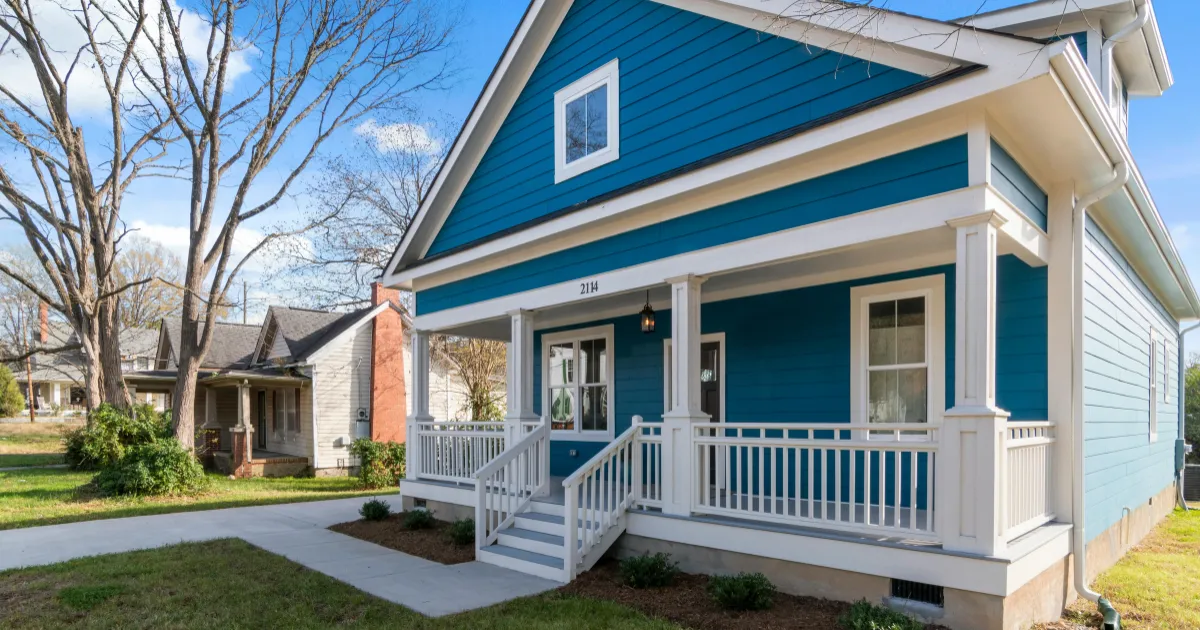
Wichita County sends probate to a County Court at Law, and the route the family files there decides who can sign the deed.
Under Government Code 25.2452(b), that means County Court at Law No. 1 or No. 2. A muniment of title or an independent executor fits most estates with a will, while a small estate affidavit passes a house only when the homestead is the estate's only real property.
This is general information, not legal advice. State rules vary.
Jump to a section
Has a court order given someone in your family the right to sign the deed yet?
Free. No obligation. You choose the closing date.
Selling an inherited house in Wichita Falls, TX starts with one question: who has the legal right to sign the deed? In Wichita County, the answer runs through a court many families do not expect. State law says probate matters and "proceedings under the Estates Code ... shall be filed in the county court at law," not the constitutional County Court (Tex. Gov't Code § 25.2452(b)).
Wichita County has two of those courts, County Court at Law No. 1 and County Court at Law No. 2 (Tex. Gov't Code § 25.2451). The Wichita County Clerk, at 900 7th Street, Room 250, keeps the probate records. This guide compares the routes to a signed deed, the costs of an empty house while they run, and how a sale fits once the paperwork is done.
Which Court Handles Wichita County Probate?
Wichita County probate is filed in County Court at Law No. 1 or No. 2, because state law sends every Estates Code proceeding there. The constitutional County Court, where probate starts in many smaller Texas counties, is not the starting point here.
"All misdemeanor cases, probate and mental health matters, proceedings under the Estates Code, and appeals from municipal courts of record shall be filed in the county court at law."
Texas Government Code § 25.2452(b), Wichita County Court at Law provisions
The statute leaves one door open: a county court at law may transfer a case to the county court, but only with the county judge's consent.
The County Clerk keeps the file
The same section names the county clerk as clerk for probate cases in these courts (§ 25.2452(i)). The Wichita County Clerk lists "Recording assumed names, wills and probate" among its duties. Probate and guardianship records sit behind option 5 on its main line, (940) 766-8100.
The Clerk's page also posts a Probate Fees sheet, the place to confirm current filing costs.
Which Probate Route Lets an Heir Sign the Deed?
Five routes can give someone the power to sell: a muniment of title, an independent administration, a small estate affidavit, a court heirship judgment, or a recorded affidavit of heirship. Which one fits depends on whether there is a will, what the estate owes, and what else it owns.
| Route | Who can use it | Where it is filed | Typical paperwork | Can it lead to a sale? |
|---|---|---|---|---|
| Muniment of title (Estates Code ch. 257) | A will exists, and the estate owes no unpaid debt other than debt secured by a lien on real estate, or the court finds no other need for administration (§ 257.001) | County Court at Law No. 1 or No. 2 | Application, the original will, a court order, then a sworn affidavit within 180 days (§ 257.103) | Yes. The people the will names may deal with the house as if title were in their names (§ 257.102(b)) |
| Independent administration (chs. 401 and 402) | A will that provides for it, or distributees who agree to it (§§ 401.001, 401.002) | County Court at Law No. 1 or No. 2 | Application, letters, and an inventory, appraisement, and list of claims | Yes. The independent executor or administrator can sell without court approval unless the will limits it (§ 402.052) |
| Small estate affidavit (ch. 205) | No will, at least 30 days since the death, and assets other than homestead and exempt property of $75,000 or less (§ 205.001) | With the clerk of the court, for the judge's approval | Affidavit sworn by two disinterested witnesses and each distributee with capacity, listing assets and debts (§ 205.002) | Only for a homestead that is the estate's only real property, once recorded in the deed records (§§ 205.006, 205.008(b)) |
| Heirship judgment (ch. 202) | No will and no administration of the estate in Texas, among other cases (§ 202.002) | County Court at Law No. 1 or No. 2 | Application listing every heir, marriage, and child (§ 202.005), a hearing, and a judgment | Yes. The judgment names the heirs and each heir's share (§ 202.201), and they generally sign together |
| Affidavit of heirship (ch. 203) | Families who can document the family history under oath | Recorded in the county deed records, with no court case | A sworn affidavit, in the form § 203.002 sets out | Sometimes. It becomes prima facie evidence of heirship after five years of record (§ 203.001), so the title company decides before then |
Four questions that sort the routes
- Is there a will, and has it been less than four years since the death?
- Does the estate owe anything besides the mortgage or another lien on real estate?
- Was the house the homestead, and is it the only real property in the estate?
- Do all the heirs agree on who should handle the sale?

When There Is a Will: Muniment or an Independent Executor
With a will, most families choose between two routes. A muniment of title fits when the estate owes nothing beyond real estate liens, and an independent administration fits when there are bills to pay.
Muniment of title
A muniment admits the will as proof of who owns what, with no executor appointed. The court admits it when the estate "does not owe an unpaid debt, other than any debt secured by a lien on real estate" (Estates Code § 257.001), or when it finds for another reason that no administration is needed. A mortgage on the house does not block it. Afterward, the people the will names may treat the house as if title were already in their names (§ 257.102(b)).
Within 180 days of the order, the applicant files a sworn affidavit stating which terms of the will were fulfilled (§ 257.103). The court may waive or extend that deadline. A late affidavit does not affect title to the house.
An independent executor
An independent administration puts one person in charge with letters from the court. Unless the will limits it, an independent executor can sell estate property without court approval (Estates Code § 402.052). One signer can then handle the sale for the estate, instead of every heir signing.
The four-year limit
Texas sets an outer limit on wills. A will generally may not be admitted to probate after the fourth anniversary of the death, unless the applicant was not in default (Estates Code § 256.003). Taking a season to sort through a parent's things leaves plenty of room inside that window.
When There Is No Will: Small Estate Affidavit or Heirship
Without a will, the small estate affidavit fits only a narrow set of houses, so many Wichita Falls families need a court heirship judgment or an administration before anyone can sign a deed.
The small estate affidavit and the homestead limit
The affidavit works when 30 days have passed since the death and the estate's assets, "excluding homestead and exempt property, does not exceed $75,000" (Estates Code § 205.001). The judge must approve it. For a house, the rule is tighter than the dollar figure suggests.
The chapter does not transfer title to real property, with one exception (§ 205.008(b)). A homestead can pass under the affidavit when it "is the only real property in the decedent's estate" (§ 205.006(a)). An inherited rental, a second house, or a vacant lot in the estate can take the affidavit off the table. Once recorded, the affidavit is something a buyer for value may rely on (§ 205.006(b)).
Heirship in the County Court at Law
When someone dies without a will and no administration has been opened, the court can declare heirship (Estates Code § 202.002). The application lists each heir, each marriage, and each child (§ 202.005). The judgment states the heirs' names and each one's share of the estate (§ 202.201). Those heirs then generally sign the deed together, unless the court also appoints an administrator.
The affidavit of heirship
Some families record an affidavit of heirship in the deed records instead of going to court. Chapter 203 treats a recorded statement of family history as prima facie evidence once it has been of record for five years or more (Estates Code § 203.001). Before then, whether a title company will insure a sale on the affidavit alone is its own decision.
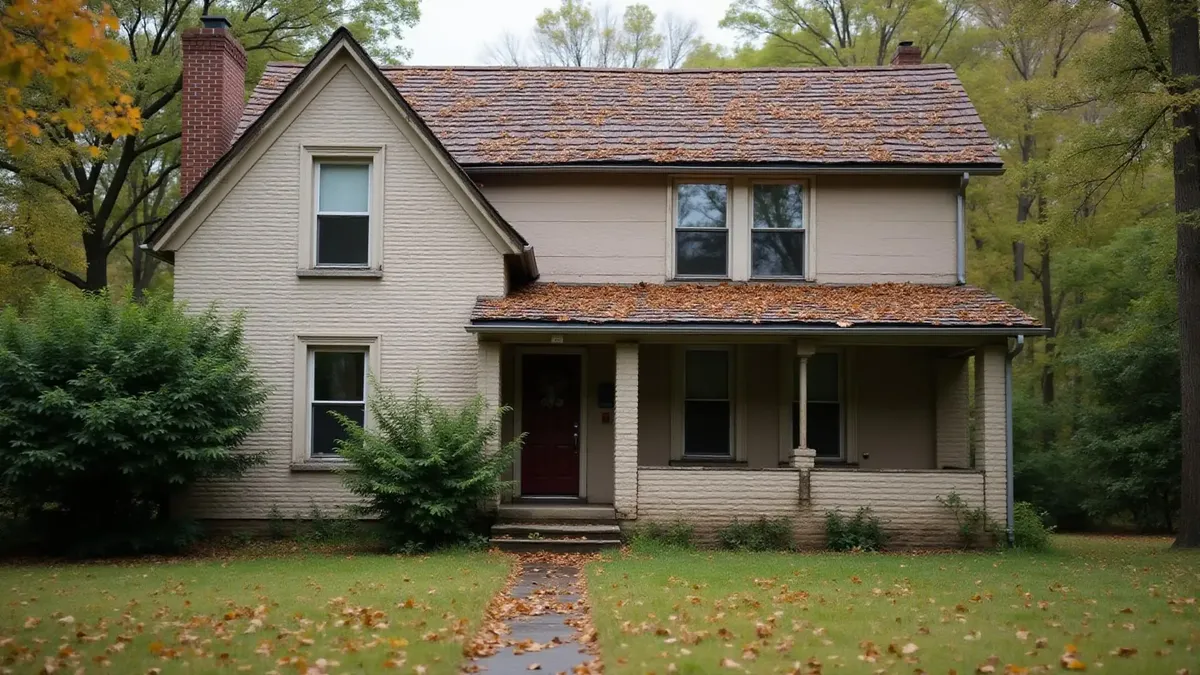
What Can an Empty Inherited House in Wichita Falls Cost?
While the paperwork moves, an empty house can collect city liens. Wichita Falls treats weeds over nine inches as a violation, can mow seven days after notice, and can file a lien that carries ten percent interest.
| Step | What the city code says | Section |
|---|---|---|
| Violation | Weeds grown to more than nine inches, or rubbish left on the lot | 46-184, 46-186 |
| Notice | In person, or by letter to the owner's address in appraisal district records, or by posting | 46-187(a) |
| Seven days | If the owner does not abate, the city may do the work at actual cost plus an administrative fee | 46-189 |
| Lien | Costs filed with the county clerk, with ten percent interest, behind only tax and street-improvement liens | 46-189 |
| Repeat within a year | The city may correct it without further notice | 46-187(c) |
Source: City of Wichita Falls Code of Ordinances, Chapter 46, Article IV, read on eCode360 November 19, 2026.
Weeds and rubbish
City Code Chapter 46 defines weeds to include growth that "has grown to more than nine inches in height" (Wichita Falls Code § 46-184). It is unlawful for an owner to let weeds grow or rubbish pile up (§ 46-186). If the owner does not act within seven days of notice, the city may do the work at its actual cost plus an administrative fee (§ 46-189).
A certified copy of those costs is filed with the county clerk. The city then holds a lien with ten percent interest that the code calls "inferior only to tax liens and liens for street improvements" (§ 46-189). A lien like this is typically paid from the sale proceeds at closing.
Where the city sends the notice
The notice can go by letter to the owner's address in the appraisal district records (§ 46-187(a)(2)). For an inherited house, that address may still be the late owner's name at the empty house. A notice returned as refused or unclaimed still counts (§ 46-187(b)).
After one notice, the city may fix a repeat violation within a year without further notice. When the first notice carried that warning, a change of owner does not reset it unless someone told the city in writing (§ 46-187(c)).
Dangerous-building notices follow the house
A structure notice works differently. City Code § 22-608 bars an owner served with a dangerous-building notice from selling until the owner complies, or hands the buyer a true copy and notifies the code enforcement official in writing. Our guide to selling with a dangerous building notice in Wichita Falls walks through that process.
What Happens to Appraisal and Taxes After an Inheritance?
The Wichita Appraisal District updates the owner of record from the deed records. An heir may or may not qualify for a homestead exemption, depending on whether an heir lives in the house.
The district's FAQ page says that once a deed is filed with the County Clerk's office, "WAD will retrieve the information and process the ownership transfer accordingly." To the question "I inherited a house, am I eligible for a homestead exemption?" its answer is one word: "Possibly."
Texas ties the exemption to a house the owner occupies as a principal residence (Tax Code § 11.13(j)). Section 11.43 sets out how an heir property owner applies. An empty inherited house typically does not qualify.
WAD sets the value, and the Wichita County Tax Office collects. If a bill went unpaid after the death, our guide to delinquent property taxes in Wichita Falls covers the penalty schedule and options.
Selling an Inherited House in Wichita Falls: Disclosure and the Market
Once someone can sign, the sale works like any other Wichita Falls sale, with two differences: who owes the seller's disclosure notice, and how long a listed house may sit empty.
The seller's disclosure notice
Texas requires a written seller's disclosure notice on most one-unit houses (Property Code § 5.008(a)). The statute exempts a transfer "by a fiduciary in the course of the administration of a decedent's estate" (Property Code § 5.008(e)(5)). An independent executor selling for the estate fits that line. Heirs who own the house after a muniment or heirship judgment and sell in their own names generally do not.
What the Wichita Falls market looks like
Over the three months ending September 2026, the median sale price in Wichita Falls was about $209,800, up 2.4% from a year earlier (Redfin, September 2026). The median house took about 60 days to sell, down from 68 (Redfin, September 2026).
Zillow's separate measure put the typical Wichita Falls house value near $174,273 (Zillow ZHVI, September 2026). For an estate, those 60 days on market are days of insurance, utilities, and mowing. The Wichita Falls cash sale options page compares the ways local owners sell.
How Can Propcash Help a Wichita Falls Heir?
Propcash can buy an inherited Wichita Falls house as-is, so the family can take what it wants and leave the rest. There are no repairs, no showings, and no agent commissions, and the service is free for sellers.
We make one transparent cash offer based on local market data and show how we got to the number. Our offer stands while the estate works through the County Court at Law, and the closing follows that step on a date you pick. If listing the house or keeping it fits your family better, we will tell you so. When the time is right, you can request a no-obligation cash offer and compare it with your other options, or read more about selling an inherited house.
Frequently Asked Questions
Can a Wichita County probate case end up before the county judge?
It can, but it does not start there. Government Code 25.2452(b) requires probate matters to be filed in the county court at law, and it lets that court transfer a case to the county court only with the county judge's consent. A Wichita County case starts in County Court at Law No. 1 or No. 2.
How long after a death can a Texas will still be probated?
Generally four years. Estates Code 256.003 bars admitting a will after the fourth anniversary of the death unless the applicant shows they were not in default. Letters testamentary also generally cannot issue on a will admitted after four years unless the application was filed in time.
Can a small estate affidavit transfer an inherited rental house?
Generally no. Estates Code 205.008(b) says the small estate chapter does not transfer title to real property, with one exception in 205.006: a homestead that is the only real property in the estate. A rental, a second house, or extra land usually points the family toward heirship or an administration.
Should heirs tell the City of Wichita Falls that the house changed owners?
It can help. Under City Code 46-187, the city may correct a repeat weed or rubbish violation within a year of a notice that warned of it, at the owner's expense. When the first notice carried that warning, a change of owner does not reset it unless someone told the city in writing. Separately, the Wichita Appraisal District updates its records once the deed is filed with the County Clerk.
Does an executor have to give the buyer a seller's disclosure notice?
Usually not. Property Code 5.008(e)(5) exempts a transfer by a fiduciary in the course of administering a decedent's estate, which covers an executor or administrator selling for the estate. Heirs selling in their own names after a muniment or heirship judgment fall outside that exemption, so a title company or attorney can confirm what the sale needs.
Does an inherited Wichita Falls house have to be emptied before a cash sale?
Not for a direct cash sale to Propcash, which buys houses as-is. The family can take the belongings it wants and leave the rest behind. The offer stands while the estate paperwork finishes, and the closing date is the family's choice once someone has the right to sign.
Reviewed by the Propcash Editorial Team under our editorial standards. Published by Propcash, a direct cash buyer of houses. This guide is general information. Laws, fees, and market figures change, so check the current rules for your state.
