

You can sell a historic house in Tucson, AZ without city approval, because the City reviews exterior changes and demolition, not a change of owner.
The review rules stay with the house: exterior work in a Historic Preservation Zone needs design review, and demolishing any building over 50 years old goes through Historic Review. If the house is in Arizona's historic property tax class, the owner notifies SHPO when ownership changes.
This is general information, not legal advice. State rules vary.
Jump to a section
Is your house in a Tucson historic zone or the historic tax program?
Free. No obligation. You choose the closing date.
Selling a historic house in Tucson starts with one question: what kind of "historic" is it? A house can sit in a city Historic Preservation Zone, carry a City Historic Landmark designation, count as a contributor to a National Register district, or simply be more than 50 years old. Each status changes something different for you and for the buyer.
This guide follows the City of Tucson's historic preservation pages, the Arizona statutes on historic property tax, and National Park Service guidance on adobe. It covers City of Tucson rules only. Oro Valley, Marana, Sahuarita, and unincorporated Pima County have their own codes.
Which historic designations apply to Tucson houses?
Tucson houses can carry four kinds of historic status: a Historic Preservation Zone, a City Historic Landmark, a National Register listing, and plain age of 50 years or more. Only the first two are local zoning, and they carry the strongest review.
The City describes Historic Preservation Zones as zoning overlays enabled by a 1972 ordinance, with standards and review set out in Section 5.8 of the Unified Development Code. The City's historic FAQ names five HPZs:
- Armory Park
- Barrio Historico (Barrio Viejo)
- El Presidio
- Fort Lowell
- West University
City Historic Landmarks are individual properties that the Mayor and Council designate. National Register status is broader. The City's list of National Register historic districts runs to more than 40 entries, from Sam Hughes and Blenman-Elm to Barrio Anita and Menlo Park. A National Register district outside an HPZ carries no HPZ design review.
| Designation | What it changes for you as the seller | What it changes for a buyer |
|---|---|---|
| Historic Preservation Zone (city overlay, UDC 5.8) | No approval to sell. Past exterior work should have met the zone's standards. | Exterior changes need design review, even work that needs no building permit. Demolition of a contributing building goes to Mayor and Council. |
| City Historic Landmark | No approval to sell. The landmark overlay stays on the property. | Development plans go to the Tucson-Pima County Historical Commission. Demolition needs Mayor and Council approval. |
| National Register listing or contributing status only | No federal restriction on a private owner. It is the gateway to the state historic tax class. | No federal restriction unless a project with federal funding, a license, or a permit is involved. City demolition review still applies by age. |
| State historic property tax class (A.R.S. § 42-12101 et seq.) | Notify SHPO of the change of owner. A disqualification can bring a penalty. | Can keep the class if the house still qualifies, under a maintenance agreement. |
| No designation, but over 50 years old | Nothing at the sale itself. | Exterior demolition needs Historic Review and documentation first (Ordinance 10776). |
How do you check whether your Tucson house is historic?
The City's interactive MapTucson shows listed and pending National Register properties, Historic Preservation Zones, Neighborhood Preservation Zones, and City Historic Landmark signs. The City's historic FAQ notes that the older Historic Properties Map was retired in fall 2025.
On the map, a house shown as "Contributing" inside a district is listed on the National Register, according to the same FAQ. If the map leaves you unsure, the Historic Preservation Office answers questions at PDSDHistoric@TucsonAZ.Gov or through 311.
It can help to gather three facts before you talk to any buyer:
- Whether the house sits inside an HPZ or is a City Historic Landmark.
- Whether it contributes to a National Register district.
- Whether the house is enrolled in the state historic property tax program. Your Pima County tax notice and SHPO records can confirm this.
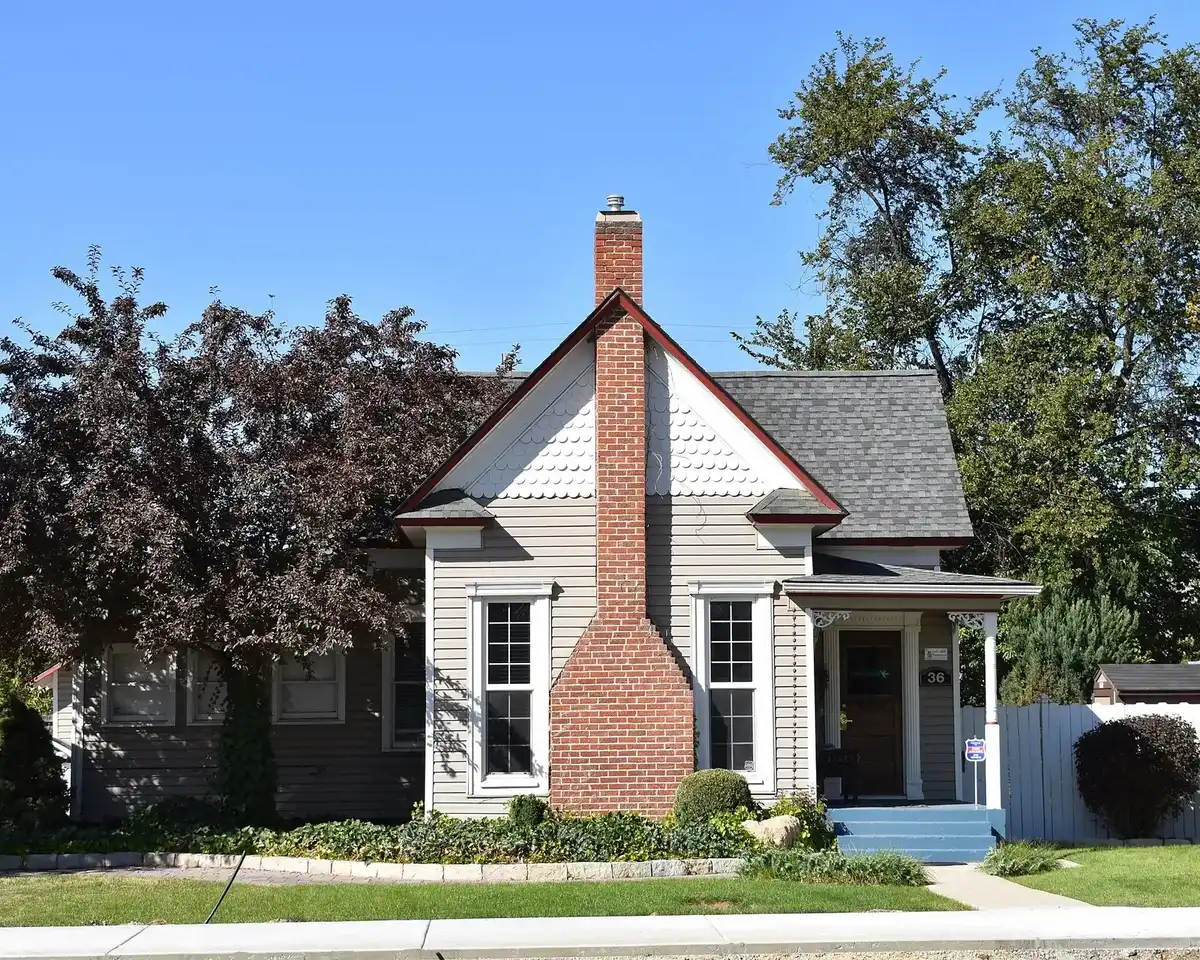
What does a Tucson historic preservation zone change for a buyer?
A Tucson historic preservation zone changes what a new owner can do to the outside of the house. HPZs require compliance with development standards and design guidelines for exterior alterations, including work that does not need a building permit.
The City publishes separate design guidelines for each zone. For each HPZ, the Mayor and Council appoint an advisory board, and plans can also go to the Tucson-Pima County Historical Commission's Plans Review Subcommittee. Appeals and demolitions of historic buildings get added review by the Mayor and Council at public hearings.
Who the review affects
A buyer who plans to live in the house as it stands may never notice the review. A buyer who wants new windows, a different roof profile, an addition, or new exterior materials faces a design process first. That buyer may price in the extra time.
Neighborhood Preservation Zones are different
The City also has Neighborhood Preservation Zones, such as Feldman's, Jefferson Park, and Rincon Heights/Pie Allen. The historic FAQ describes them as requiring compatible new residential construction. They are a lighter tool than an HPZ, so check which kind of zone the map shows.
What is Tucson's 50-year demolition review?
Tucson reviews any proposed exterior demolition of a building over 50 years old before it issues the permit. The review applies by age, so a house outside every historic district can still fall under it.
"Proposed demolition of any building over 50 years old is subject to Historic Review ..."
Demolition Requests, City of Tucson Planning and Development Services historic preservation page
The City's demolition page ties the review to UDC Section 5.8.10. Under Ordinance 10776, buildings over 50 years old need documentation before demolition. Contributing historic buildings need full documentation, and others need minor documentation.
When Mayor and Council must approve
Mayor and Council approval is required before demolition of a City Historic Landmark. The same rule covers contributing historic properties in an HPZ or in the Rio Nuevo District, under UDC 5.8.10.E. The application must include:
- A replacement plan for the site.
- A showing that reasonable economic use of the existing historic property is not possible.
The City asks owners to email PDSDHistoric@TucsonAZ.Gov before applying to demolish any structure in a landmark or HPZ. Applications then go through the Tucson Development Center online portal.
| Building | Before an exterior demolition permit | Who reviews or decides |
|---|---|---|
| Under 50 years old | A demolition permit (required for any structure) | Demolition permit review |
| over 50 years old, not designated | Historic Review and minor documentation | Historic Review |
| Building in an HPZ | Historic Review, plus Historic Zone Advisory Board review | Advisory board and Historical Commission subcommittee review; final decision by the PDSD Director or Mayor and Council |
| City Historic Landmark, or contributing building in an HPZ or Rio Nuevo | Full documentation, replacement plan, proof of no reasonable economic use | Mayor and Council (UDC 5.8.10.E) |
For a seller, the takeaway is about buyers who see the lot as the value. A buyer planning a teardown of a contributing house in an HPZ needs Mayor and Council approval, with a replacement plan and proof that reasonable economic use is not possible. A house that is simply old faces a lighter review, but still a review.
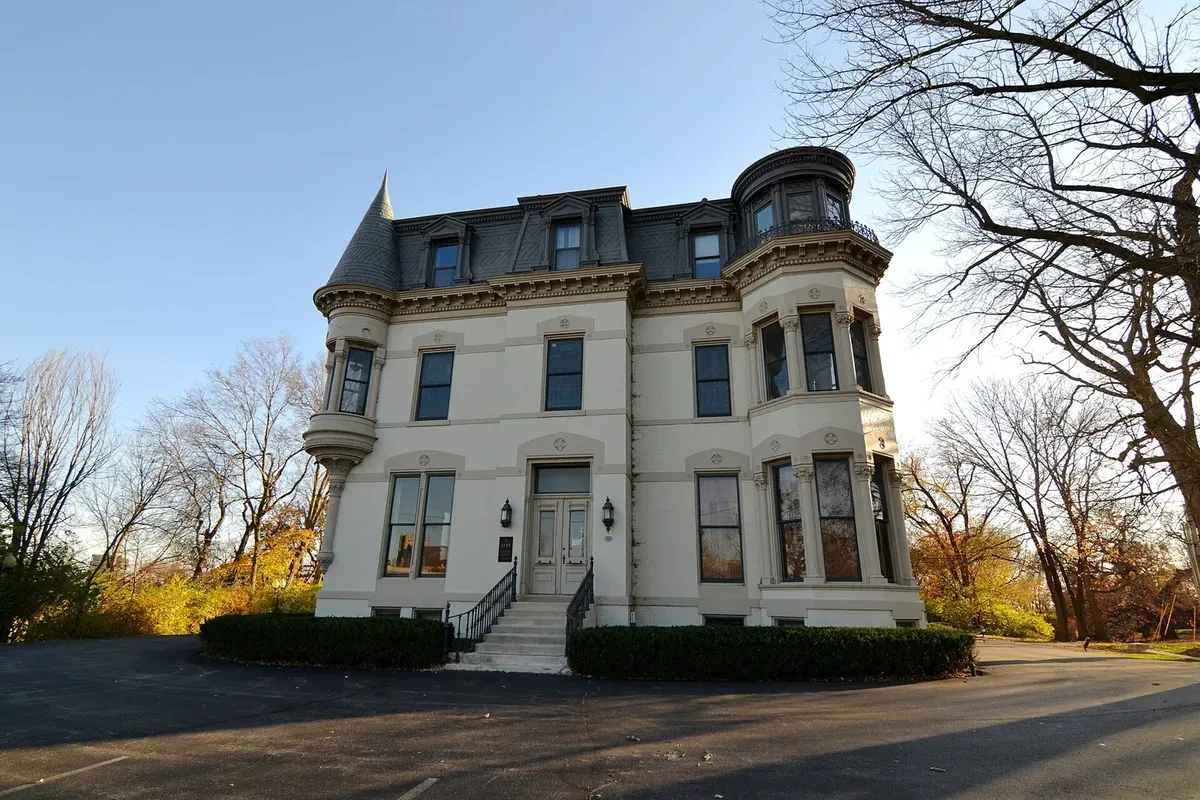
Does National Register listing restrict what you can do with a house?
National Register listing alone generally does not restrict a private owner. The National Park Service Register FAQ says listing "places no federal restrictions or requirements on a private property owner."
The same page adds two limits. Listing matters when a project receives federal assistance, which brings comment from the Advisory Council on Historic Preservation. The NPS also warns that state or local preservation laws may apply. In Tucson, those local laws are the HPZ overlay, the landmark overlay, and the 50-year demolition review.
A National Register listing is also the entry ticket to Arizona's historic property tax class. That class is where a sale needs the most care.
What happens to Arizona's historic property tax class when you sell?
A sale does not end the historic property tax class by itself. A.R.S. § 42-12106(A) says a sale or transfer, including one at death, does not disqualify the property if it continues to qualify as historic property.
How the program works
The State Historic Preservation Office (SHPO) runs the owner-occupied program with the county assessors. SHPO says it reduces property taxes by 35 to 45 percent, depending on special assessments in the area. The house must be on the National Register, individually or as a contributor.
The owner signs a 15-year agreement to maintain the property and preserve its historic features. Work that affects the public appearance goes to SHPO for review first. Under A.R.S. § 42-12102(C), the classification runs fifteen consecutive tax years, and the owner can apply to continue it for another 15 years.
What a sale sets in motion
SHPO says the owner must notify it when the property's ownership or use changes, and it posts a change of ownership affidavit. The class requires noncommercial use. A.R.S. § 42-12101 defines that as property "on which no business or enterprise is conducted with the intent of earning a profit."
If the class ends, A.R.S. § 42-12107 adds a penalty to the next tax roll. It equals the lesser of 50 percent of the total tax savings or 50 percent of market value. If the owner does not notify the county assessor that the house stopped qualifying, the treasurer adds 15 percent of that penalty. Because the penalty lands on the property's tax roll, a buyer or title company may ask about enrollment before closing.
If your house is enrolled, it can help to ask SHPO and the Pima County Assessor how the change of ownership will be handled. A buyer who plans to rent the house or resell it may not qualify to keep the class.
What should you know about selling an adobe house in Tucson?
Selling an adobe house in Tucson means buyers will look closely at moisture, because water is the main threat to adobe walls. National Park Service Preservation Brief 5 says adobe buildings generally "deteriorate because of moisture, either excessive rainwater or ground water."
What inspectors and buyers look for
Brief 5 describes the patterns a careful buyer may ask about:
- Coving: hollowing of the wall just above grade, from standing rainwater and rain splash.
- Rising ground water: moisture drawn into the wall that can make the adobe erode, bulge, and cove.
- Cement stucco over adobe: its thermal expansion is 3 to 10 times that of adobe, so it cracks, lets water in, and keeps the wall from drying.
- Roofs and parapets: the brief calls a water-tight roof with proper drainage the best defense.
Lime plaster and repairs
Brief 5 notes that lime plaster was widely used in the 19th century and is harder than mud plaster but cracks easily. It advises patching with the same material being replaced. It also warns that fully removing old lime plaster or cement stucco may do more damage than natural wear.
None of this makes an adobe house a lesser house. It means repairs call for the same materials the wall already has, and in an HPZ the exterior work also needs design review. Some owners make those repairs before listing. Others sell as-is and let the buyer plan the work. Our guide to selling a house that needs major repairs walks through both paths.
What are the ways to sell a historic house in Tucson?
A historic Tucson house can be listed with an agent, sold to a buyer who wants the history, or sold as-is for cash. The right path depends on the house's condition, its designation, and your timeline.
The broader Tucson market sets the backdrop. Redfin reported a Tucson median sale price of about $308,785 in October 2026, down 2.0% from a year earlier, with a median of 65 days on market. Zillow's home value index (ZHVI) put the typical Tucson house value at about $317,277 in October 2026, down about 1.9% year over year.
Listing
A listing often fits a house in good repair, where the historic character is part of the appeal. An agent who knows the HPZ guidelines can explain the review rules to buyers early.
Selling as-is
An as-is sale fits when walls, roof, or plaster need work you would rather not manage, or when the house came to you through an estate. The buyer takes on the repairs and any design review. See how an as-is sale works, and if the house was inherited, the guide to selling an inherited house in Tucson. If the City has already cited the property, read about selling a Tucson house with code violations.
How can Propcash help with a historic Tucson house?
Propcash is a direct cash homebuyer, and we buy houses as-is, including adobe and older houses in historic districts. There are no repairs, no showings, and no agent commissions or fees to you. Cash transactions can close in as few as 7 days, and you pick the closing date.
Our offer is based on local market data, and we show you how we got to our number. You can set it next to a listing or a sale to a preservation-minded buyer. If a cash sale is not your best move, we will tell you. When you are ready, get a cash offer on your Tucson house or see how we buy houses fast in Tucson.
Frequently Asked Questions
Does the City of Tucson have to approve the sale of a house in a Historic Preservation Zone?
The City's historic preservation pages describe review for exterior changes and for demolition, not for a change of ownership. A house in an HPZ can change hands like any other house. What carries over to the buyer is the review: future exterior work must meet the zone's development standards and design guidelines.
Does the 50-year demolition review apply to Tucson houses outside a historic zone?
Yes. The City of Tucson's demolition page says proposed demolition of any building over 50 years old is subject to Historic Review before an exterior demolition permit can be issued. Ordinance 10776 also requires documentation for buildings over 50 years old. Landmarks and contributing buildings in HPZs go further, to a Mayor and Council decision.
Can the buyer of a Tucson house keep its historic property tax classification?
Often, yes, if the house keeps qualifying. A.R.S. 42-12106(A) says a sale or transfer does not disqualify the property if it continues to qualify as historic property. For the owner-occupied program, the State Historic Preservation Office says the owner must notify it when ownership or use changes, and it publishes a change of ownership affidavit.
What penalty applies if a historic tax classification ends after a sale in Arizona?
Under A.R.S. 42-12107, a penalty is added to the next tax roll equal to the lesser of 50 percent of the total tax reduction during the classified years or 50 percent of the property's market value. If the owner did not notify the county assessor that the house stopped qualifying, the treasurer adds 15 percent of that penalty. The penalty applies only to the current fifteen-year period for a noncommercial house.
Who reviews plans for a City Historic Landmark in Tucson?
The City's historic FAQ says City Historic Landmarks carry a historic zoning overlay that requires the Tucson-Pima County Historical Commission to review development plans. Landmark designation is initiated and approved by the Mayor and Council. Demolition of a landmark also needs Mayor and Council approval under UDC 5.8.10.E.
Do City of Tucson historic zone rules apply in Oro Valley or Catalina Foothills?
No. Historic Preservation Zones are City of Tucson zoning overlays, so they reach only houses inside city limits. Oro Valley, Marana, and Sahuarita are separate towns with their own codes, and Catalina Foothills is unincorporated Pima County. A National Register listing, by contrast, is federal and can sit anywhere.
Reviewed by the Propcash Editorial Team under our editorial standards. Published by Propcash, a direct cash buyer of houses. This guide is general information. Laws, fees, and market figures change, so check the current rules for your state.
