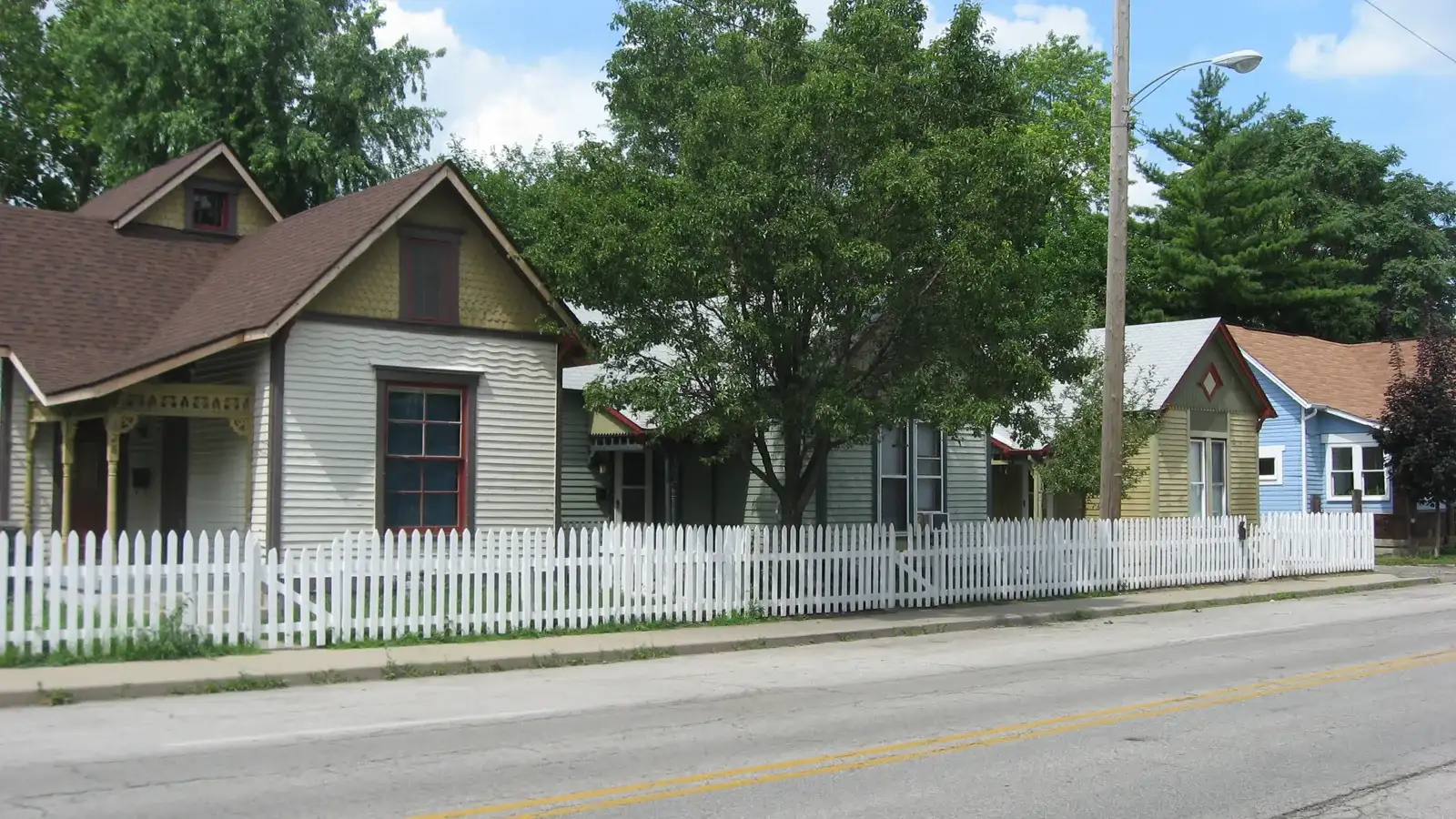
Sellers in EBMUD's eight covered East Bay areas need a sewer lateral certificate to close escrow.
EBMUD charges $407 for the certificate under fees effective July 1, 2026. If the lateral fails, a $142 Time Extension Certificate and a refundable $4,500 deposit allow 180 days from its issue date to finish the work.
This is general information, not legal advice. State rules vary.
Jump to a section
Has your sewer lateral been tested yet?
Free. No obligation. You choose the closing date.
An EBMUD sewer lateral certificate is the paper an East Bay seller usually needs before escrow can close in Oakland, Alameda, Albany, and five other covered areas of Alameda and Contra Costa counties, California. It shows that the pipe running from the house to the public sewer main does not leak.
This guide covers the covered cities, how the test works, the fees effective July 1, 2026, and the options when a lateral fails. It also covers Berkeley's separate program and the condo rules. For the wider picture of selling in the region, see our guide to selling a Bay Area house fast.
What is the EBMUD sewer lateral certificate?
The EBMUD Compliance Certificate is issued when a house's private sewer lateral is shown to be leak-free in a test that the East Bay Municipal Utility District witnesses. In the covered cities, a sale needs one to close escrow.
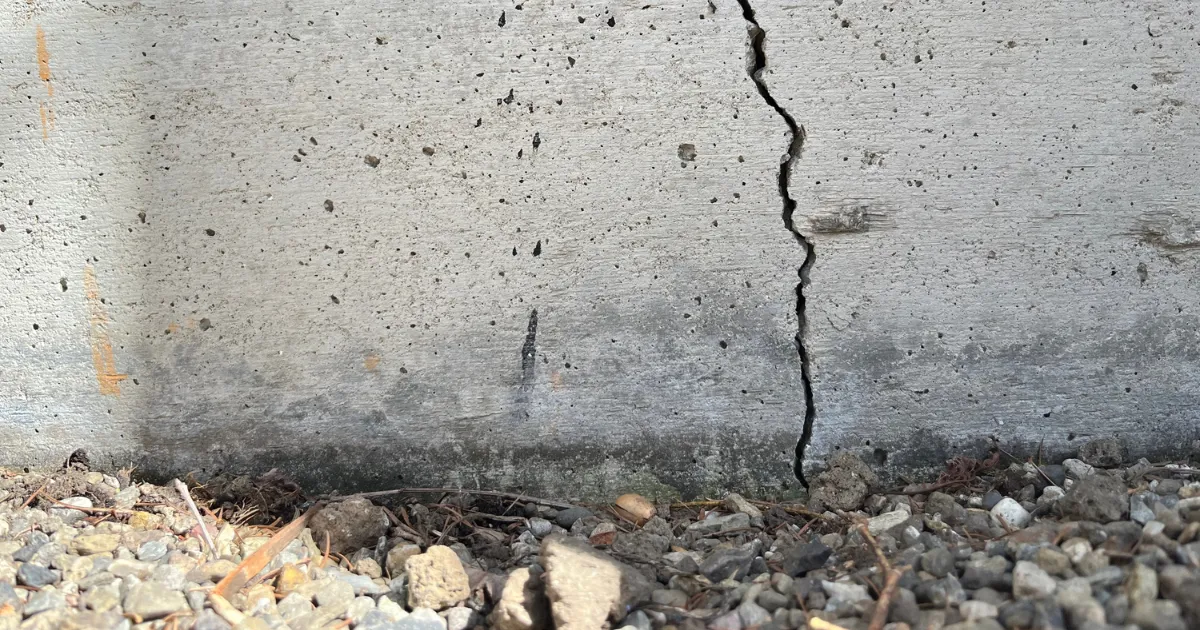
A private sewer lateral is the pipe that carries wastewater from a building to the public sewer main. EBMUD explains that many East Bay houses were built before 1950 and still have their original sewer pipes, often clay. Over time those pipes can crack or shift, and tree roots can grow into them.
Cracked laterals let rainwater into the sewer system during storms. Too much water can overwhelm treatment plants and send partially treated sewage into the Bay. The certificate program exists to find and fix those leaks one house at a time.
The three triggers
EBMUD's program page lists three events that require a certificate:
- Buying or selling a house, where it is "Required to close escrow"
- Building or remodeling work over $100,000, at final permit sign-off
- Changing the size of the water meter
An owner can also get a certificate voluntarily, without any trigger.
Which East Bay cities need the certificate to sell?
EBMUD's regional ordinance covers Alameda, Albany, El Cerrito, Emeryville, Kensington, Oakland, Piedmont, and the Richmond Annex. Berkeley runs its own separate program with a certificate of its own.
The program applies to all properties in those areas: residential, commercial, and industrial, including bank-owned houses and short sales. The rules differ a little from city to city.
| City or area | Certificate to close a sale | What differs | Source |
|---|---|---|---|
| Alameda | EBMUD Compliance Certificate | Upper lateral only: owner's part ends at the property line or curbside cleanout. An unexpired city certificate may qualify for an EBMUD Exemption Certificate. | EBMUD FAQ |
| Albany | EBMUD Compliance Certificate | Upper lateral only, as in Alameda. Same Exemption Certificate route for an unexpired city certificate. | EBMUD FAQ |
| El Cerrito | EBMUD Compliance Certificate | The ordinance applies on paving moratorium streets; a Time Extension Certificate is available after a title transfer. Stege Sanitary District answers questions. | EBMUD FAQ |
| Emeryville | EBMUD Compliance Certificate | A city permit is required even when the lateral is tested as-is. | EBMUD FAQ |
| Kensington, Oakland, Piedmont, Richmond Annex | EBMUD Compliance Certificate | Whole lateral, upper and lower, from the building to the public sewer main. | EBMUD FAQ |
| Berkeley | City of Berkeley Sewer Lateral Certificate | Separate city program. A six-month extension may be granted with a $4,500 deposit or a signed contractor agreement. | City of Berkeley |
In Alameda and Albany, the upper lateral alone is covered, the section from the building to the property line or curbside cleanout. Each city's own sewer ordinance sets that line. Everywhere else in the program, the owner answers for the whole pipe out to the main under the street.
Oakland sellers face a few other city-specific closing items too. Our page on how to sell an Oakland house fast covers them.
How do you get a sewer lateral compliance certificate?
To get a sewer lateral compliance certificate, an owner hires a contractor to check the lateral and fix it if needed. EBMUD then witnesses an air or water pressure test, and the certificate issues once the lateral passes.
The steps
- Status check. EBMUD's property search tool shows whether a certificate is already on file and when it expires.
- Pipe assessment. A contractor typically runs a video survey of the line to see its condition.
- Permits and repairs. City permits are usually required for repairs, and each city sets its own material and code rules.
- Test booking. The contractor or owner books an EBMUD inspection to witness the pressure test.
- The certificate. It is usually available by close of business the day after the inspection.
A video survey alone does not count. EBMUD's FAQ says it does not review camera footage in place of the witnessed pressure test. Inspection windows run Monday through Friday, 8 to 11 a.m., 11 a.m. to 2 p.m., and 2 to 5 p.m.
The test has to be set up and under pressure when the window opens. Inspectors cannot wait if it is not ready, and a return visit carries a fee. Depending on what the camera shows, a lateral may pass as-is, pass after a repair, or need full replacement.
How long a certificate lasts
The certificate page sets two terms. A lateral that passes as-is, or after a repair short of full replacement, gets a certificate valid for 7 years. A completely replaced lateral gets 20 years.
EBMUD also says it plans to move PSL scheduling, payments, and certification to new software, with launch anticipated in early 2027.
What EBMUD charges in 2026
EBMUD charges $407 for a Compliance Certificate and $142 for a Time Extension Certificate, under fees effective July 1, 2026. Those are EBMUD's charges only; the contractor's work is a separate cost the agency does not estimate.
| EBMUD PSL fee (effective July 1, 2026) | Amount |
|---|---|
| Compliance Certificate | $407 |
| Time Extension Certificate | $142 |
| Time Extension Certificate deposit (refundable) | $4,500 |
| Rescheduled, contractor not ready, or return after a failed test | $140 |
| Extra lateral or verification test | $140 per lateral |
| Off-hours verification test | $289 for 2.5 hours |
| Specific appointment time | $374 for 2.5 hours |
| Violation follow-up, initial | $590 |
| Violation follow-up, continuing non-compliance | $150 |
The amounts come from EBMUD's PSL fee schedule. The agency says total fees depend on how many inspections, tests, and laterals a house has. A failed test or a missed window adds $140 each time, so a contractor who is ready at the start of the window can keep the bill down.

What happens if the lateral fails before closing?
If a lateral cannot pass before closing, the sale can still close with a Time Extension Certificate. It allows 180 days from its issue date to finish the work, and it is valid only with a $4,500 deposit at title transfer.
That leaves two paths. The seller can repair or replace the lateral, pass the test, and close with a Compliance Certificate. Or the parties can close with a Time Extension Certificate and let the work happen after the sale.
How the extension works
EBMUD's extension page sets out these steps:
- Either party, or their representative, requests the certificate online and pays the $142 fee.
- The applicant completes and signs it before title transfers, naming who gets the refund and where to mail it.
- Upon title transfer, the title company or applicant mails the certificate and a $4,500 check to EBMUD-PSL, with the parcel number on the check.
- Once the title transfer is complete, the new owner is solely responsible for getting the Compliance Certificate.
The extension guidelines add a few limits. One extension may be bought for each title transfer, and it cannot be extended. If the work is not done in time, the deposit may be forfeited and the new owner may face enforcement. Refunds typically arrive 4 to 6 weeks after the Compliance Certificate issues.
An owner who needs more than 180 days can ask for relief with EBMUD's appeal form. EBMUD may then require a Compliance Agreement, which carries a $361 fee. For approved requests tied to 203(k) or Fannie Mae loans, EBMUD waives the $4,500 deposit, though the extension itself is still required.
Who pays for sewer lateral work in a sale?
EBMUD does not put the cost on either side. The buyer and seller negotiate who gets the certificate, and the purchase contract records what they agree.
"In a property sale transaction, it is up to the buyer and seller to negotiate responsibility for obtaining the Compliance Certificate."
EBMUD, East Bay Municipal Utility District, Private Sewer Lateral program FAQ
In practice, the deal can go a few ways:
- The seller does the work. The seller passes the test before closing and hands over a Compliance Certificate.
- The price reflects it. The parties close with a Time Extension Certificate, and the buyer takes on the work after closing.
- A credit at closing. The seller puts money toward the work, and the buyer finishes it under the extension.
The extension makes the second and third options workable, since the work can wait until after title transfers. The deposit refund goes to whoever the extension names, so the contract and the certificate should agree on that point. A lateral is one of several repair items a buyer may weigh. Our page on selling a house that needs major repairs covers the others.
The lateral is also not the only cost the contract allocates at closing. City transfer taxes vary widely across these same cities, as our guide to Bay Area transfer tax by city shows.
How does Berkeley's sewer lateral program work?
Berkeley requires its own Sewer Lateral Certificate before close of escrow, issued by the city rather than EBMUD. The city may grant a six-month extension, backed by a $4,500 deposit or a signed contract with a licensed plumbing contractor.
The City of Berkeley's program page lists four situations that require the certificate:
- Before close of escrow on a sale or transfer
- Before a building permit for major construction, such as a remodel
- When the city finds the lateral may be a public nuisance
- When an owner chooses to repair or replace the lateral
The rules apply to all buildings, including condominiums and developments with shared laterals. A contractor applies for a city permit, inspects the pipe, makes any fixes, and schedules a verification test with a city inspector.
Berkeley's extension and its consequences
Berkeley's Public Works Department reviews each extension request to decide whether the work is urgent. If the work is not done within 6 months of close of escrow, the deposit is forfeited and the city completes the repair. Any cost above the forfeited amount is billed to the current owner or can become a lien on the property.
The city's program fact sheet says a completely replaced lateral can receive a 20-year certificate. A lateral that passes without full replacement receives a 7-year certificate. Berkeley's interest-free repair loans for low-income owners do not apply to sales.
Berkeley rentals carry other sale rules besides the lateral. Our guide to selling a Berkeley rental with tenants in place covers them.
What changes for a condo or HOA sale?
A condo or townhouse seller first confirms who maintains the laterals under the HOA's governing documents. If the HOA is responsible, the seller gives the title company the HOA's Statement of Responsibility instead of a certificate.
EBMUD required HOAs to certify the laterals under their maintenance responsibility by July 12, 2021. Each HOA must file a Statement of Responsibility, which defines what the HOA and each owner maintain under the CC&Rs. The outcome splits two ways:
- HOA responsible for all laterals: the owner needs no certificate and provides a copy of the EBMUD-reviewed Statement of Responsibility to the title company.
- Owner responsible for all or part: the owner gets a Compliance Certificate or, as negotiated with the buyer, a Time Extension Certificate.
A buyer can ask the HOA for its Statement of Responsibility and confirm with EBMUD at psl@ebmud.com that it was received. If an HOA never filed one, EBMUD's FAQ says it is in violation and subject to enforcement. A unit owner in that spot can provide their own statement under Section 11(e) of the ordinance.
How can Propcash help with a lateral that needs work?
Propcash is a direct cash homebuyer, and we buy East Bay houses as-is, including houses whose sewer lateral has never been tested. There are no repairs, no showings, and no agent commissions. We'll make you a cash offer based on local market data and show you how we got to our number.
A cash offer can sit next to your other options, such as fixing the lateral first and listing. If a cash sale isn't your best move, we'll tell you. Closings can happen in as few as 7 days, and you pick the date. When you're ready, you can get a no-obligation cash offer from Propcash.
Frequently Asked Questions
Does a bank-owned or foreclosure sale need an EBMUD certificate?
A transfer of title to a lender through foreclosure or a similar process is not subject to the Regional PSL Ordinance, according to EBMUD. When the lender later sells the house, the requirements apply again. The buyer or the seller, as they negotiate, then obtains the Compliance Certificate or a Time Extension Certificate with the $4,500 deposit.
How long does the $4,500 extension deposit take to come back?
EBMUD says the deposit refund generally arrives four to six weeks after a Compliance Certificate is obtained and all fees are paid. The check goes to the refund recipient named on the Time Extension Certificate, so that name and mailing address need to be right. A deposit paid by check also needs two weeks to clear before EBMUD will refund it.
Can a buyer replace the lateral right after closing and skip the extension?
A buyer who plans to replace the lateral the day after closing still needs a Time Extension Certificate and the $4,500 deposit, according to EBMUD's FAQ. Once a sale closes with no certificate and no extension on file, the property is out of compliance with the Regional PSL Ordinance and subject to enforcement.
Does a house in Hayward or San Leandro need an EBMUD lateral certificate?
Hayward and San Leandro are not on EBMUD's list of cities under the regional ordinance, which names Alameda, Albany, El Cerrito, Emeryville, Kensington, Oakland, Piedmont, and the Richmond Annex. A city or sanitary district can still set its own sewer rules, so the city's public works department is the place to confirm what applies to a sale there.
Can an owner set up the EBMUD pressure test without a contractor?
EBMUD sets no specific requirement for who sets up the verification test, but it notes that special equipment is often needed. For that reason, the setup is usually done by contractors who specialize in this work. Repair work on a lateral generally needs a city permit too, and Emeryville requires a permit even when the lateral is tested as-is.
Are tenants-in-common co-owners responsible for each other's lateral compliance?
EBMUD treats co-owners such as tenants in common as cotenants who must meet the same requirements as a sole owner. Each cotenant is fully responsible for the others' compliance, so one co-owner's sale of a share means every owner is held responsible for the certificate. Co-owners can split that responsibility and cost among themselves by agreement.
Can a certificate from an earlier sale cover the next one?
An EBMUD Compliance Certificate stays valid for 7 years after a lateral passes or is repaired, and for 20 years after a complete replacement. A house that still has an unexpired certificate may already be covered for its next sale. EBMUD's property search tool shows whether a certificate is on file and when it expires.
Reviewed by the Propcash Editorial Team under our editorial standards. Published by Propcash, a direct cash buyer of houses. This guide is general information. Laws, fees, and market figures change, so check the current rules for your state.