
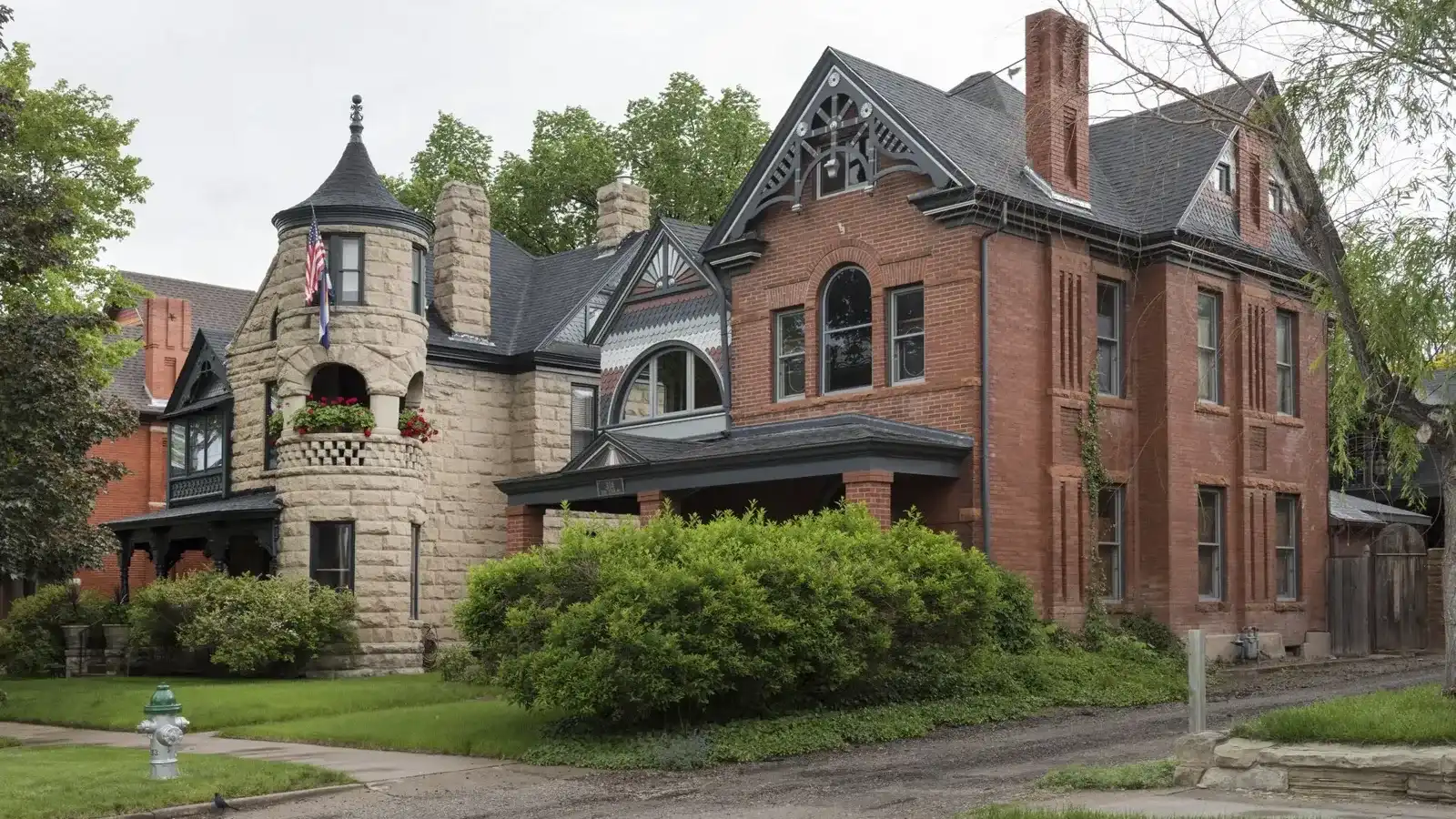
Selling a historic house in Gainesville, FL needs no certificate; the rule governs exterior work.
Land Development Code Sec. 30-4.28 requires a certificate of appropriateness before listed exterior work on listed or contributing houses, so a buyer who restores carries the review. Staff review is free, and board review of a single-family house is $154.10.
This is general information, not legal advice. State rules vary.
Jump to a section
Where does your historic Gainesville house stand?
Free. No obligation. You choose the closing date.
If you plan to sell a historic house in Gainesville, FL, the certificate rule matters less than many owners expect. Gainesville Land Development Code Sec. 30-4.28 requires a certificate of appropriateness before listed exterior work on locally listed or contributing houses. No building or demolition permit issues without one. Ordinary maintenance does not need one, and the sale itself needs none.
The review follows the work, so the buyer who restores is the one who carries it. The City's Historic Preservation page counts five local historic districts and more than 1,500 historic structures. That page still cites "Section 30-112," an older number; the current section is 30-4.28.
Does selling a historic house in Gainesville, FL need a certificate?
Selling a historic house in Gainesville, FL does not need a certificate of appropriateness, because Sec. 30-4.28 ties the certificate to work, not to a change of owner. The deed can transfer with no Historic Preservation Board review at all.
The rule names who must apply: "A property owner/agent shall obtain a certificate of appropriateness before" performing the listed exterior work. Once the house closes, that owner is the buyer. Any addition, new fence, or porch enclosure the buyer plans goes through the City on the buyer's schedule.
Two things still follow the house to the closing table. A pre-1978 house carries a federal lead paint disclosure. A house with a recorded historic tax exemption carries a covenant. Both are covered below.
What a seller does not have to do
The code text does not ask a seller to restore, repaint, or bring older features up to the design guidelines before selling. The City's Rehabilitation and Design Guidelines say features that did not conform when a building was nominated to the Local Register are "grandfathered." They need to conform only when someone proposes to replace them.
Which Gainesville historic districts does the rule cover?
The certificate rule covers the City's five local historic districts and 10 individually listed buildings, as named on the City's Historic Preservation page. Each district has its own map on the City site.
- Northeast Residential (Duck Pond): "One of the oldest residential areas in Gainesville," platted in 1854, including the Duck Pond and Sweetwater Branch.
- Southeast Residential: rooted in post-Civil War development, with Queen Anne and Colonial Revival houses and one French Second Empire house.
- Pleasant Street: "The oldest predominantly African-American residential area in Gainesville," with wood frame houses, Bungalows, Victorian residences, and two Romanesque churches.
- University Heights North: styles "prevalent in Florida from the 1920s to the early 1950s."
- University Heights South: mid-century suburban growth between the University of Florida and downtown.
Porters is not one of the five districts on the City's list. The City's Porters Community Center page describes it as "a historically black neighborhood" named after Dr. Watson Porter, "who sold the land exclusively to black families more than a century ago." The Historic Preservation Map shows whether any single house there is listed.
The certificate rule is City Code. Some houses with a Gainesville mailing address sit in unincorporated Alachua County, where county rules apply instead.
How do you find out if your house is contributing?
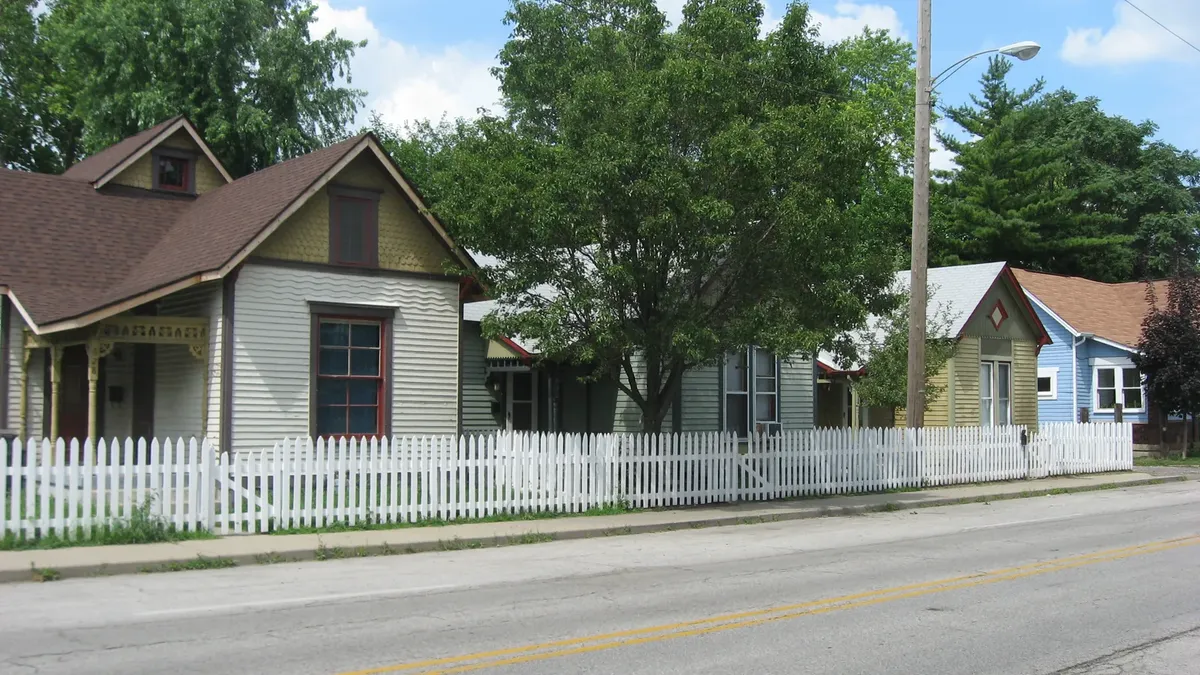
The quickest check is the City's Historic Preservation Map, linked from the Historic Preservation page, followed by a call to the Preservation Planner. The rule reaches only houses individually listed on the local register or designated as contributing to a listed district.
A "noncontributing" house inside a district boundary sits on the map too. The City's own certificate form has a staff box marked "Contributing?" with Yes and No, so staff confirm the status during review. The Alachua County Property Appraiser record supplies the parcel ID the form asks for.
For an inherited house, an heir may not know any of this history. Our guide to selling an inherited house in Gainesville covers probate steps that come before any sale.
What work needs a Gainesville certificate of appropriateness?
A Gainesville historic district certificate of appropriateness is needed before listed exterior work on a listed or contributing structure, and ordinary maintenance is excluded. Sec. 30-4.28 names additions, air conditioning units, exterior doors and frames, exterior walls (including foundations and porch enclosures), and fencing.
The City guidelines summarize a longer list of reviewed items, including roofs, siding, windows, decks, skylights, and painting masonry that was never painted. They define ordinary maintenance as work that needs no building permit and restores a feature "as nearly as practicable" to its condition before damage. The guidelines still cite the older section numbers.
| Work item | Certificate first? | For a seller | For a buyer |
|---|---|---|---|
| Selling the house | No | No board review to close | Takes on the rule for future work |
| Additions | Yes (Sec. 30-4.28) | Need not build one to sell | Board or staff review before a permit |
| Air conditioning units | Yes (Sec. 30-4.28) | An older system can stay as it is | Installing new units needs approval |
| Exterior doors and frames | Yes (Sec. 30-4.28) | Repair in kind can count as maintenance | Replacement styles are reviewed |
| Exterior walls, foundations, porch enclosure | Yes (Sec. 30-4.28) | Foundation work is a buyer question too | Enclosing a porch needs approval |
| Fencing | Yes (Sec. 30-4.28) | An existing fence can stay | A new fence is reviewed |
| Demolition | Yes (no demolition permit without one) | Does not affect the deed transfer | Board review for a contributing building |
| Roofs, siding, windows (City guidelines list) | Listed as reviewed items | Patching in kind can be maintenance | New materials are reviewed |
| Paint color | Not reviewed (City guidelines) | No color approval needed | Free to choose a color |
| Ordinary maintenance | No | Routine upkeep before a sale is fine | Same exception after closing |
Work already begun without a certificate is treated differently. The City's application form lists an after-the-fact certificate at $540.50 plus the application fee. If earlier work on the house never had review, a Florida real estate attorney can help a seller decide what to share with a buyer.

What board review costs and how long it takes
Staff review of a certificate is free and usually takes about 5 business days, while board review runs on a monthly calendar with a fee. The City's application form for a certificate of appropriateness sets out both paths.
- Staff review: free; applications are "accepted on a rolling basis and are generally completed within 5 business days."
- Board review, single-family structure or its accessory structure: $154.10 ($77.05 EZ fee).
- Board review, all other structures: $770.79 ($385.40 EZ fee).
- Valid for one year: the form says certificates "are only valid for one (1) year from issuance."
- Appeals: a board decision may go to the City Commission within 30 days.
The 2026 Historic Preservation Board schedule puts each application deadline 18 days before the meeting. For example, applications due November 13, 2026 go to the December 1, 2026 meeting. A buyer planning an addition can build that month into a restoration plan.
A sample 2026 board timeline
- November 13, 2026Application due for the December meeting
- November 20, 2026Signed notice due
- About a week beforeAgenda and staff report posted on the City's website
- December 1, 2026Historic Preservation Board meeting
- Within 30 daysWindow to appeal a decision to the City Commission
- One yearHow long an issued certificate stays valid
Houses in Gainesville are also taking longer to sell. Redfin's Gainesville data for the three months ending September 2026 shows a median sale price of $272,870, up 5.0% year over year. The median time on market was 57 days, up from 39 a year earlier (Redfin, September 2026).
Zillow measures something different. The Zillow home value index for Gainesville was $291,789 on September 30, 2026, down about 1.3% from $295,485 a year earlier (Zillow ZHVI, September 2026).
What demolition by neglect means for an older house
Sec. 30-4.28 includes demolition by neglect provisions that connect historic review with code enforcement. The Historic Preservation Board may file a complaint with code enforcement. Code enforcement notifies the board when a listed or contributing building has a housing code violation or is found "Dangerous."
An older house needing work is still a house with a history, and upkeep can outrun an owner's time or budget. The point for a seller is that a code case on a contributing house can draw two offices in. If a fine has already turned into a lien, our guide to selling a Gainesville house with a City code lien explains how that lien works at closing.
Houses near the creeks may raise a separate set of questions. The guide to selling a Gainesville house in a flood zone covers the City's floodplain rules and Florida's flood disclosure.
Lead paint and the historic tax exemption at sale time
The City describes its district houses as dating from the 1880s through the early 1950s, all before 1978, so the federal lead paint disclosure rule applies at sale time. A recorded historic tax exemption can also carry a covenant that outlasts the seller's ownership.
The EPA lead disclosure
The EPA's disclosure rule "applies to most pre-1978 private housing." Before the buyer is bound by the contract, a seller:
- gives the buyer the EPA pamphlet on lead in the house
- discloses any known lead-based paint and hands over available records and reports
- includes a Lead Warning Statement with the contract
- offers a 10-day period for a lead inspection or risk assessment, which the buyer may waive
- keeps the signed disclosures for three years
The EPA's list of seller duties covers disclosure, not testing or removal of lead paint. The City's guidelines add that removing lead-based paint "requires special permits."
The historic property tax exemption
Under Fla. Stat. 196.1997, a city may exempt up to 100 percent of the assessed value of qualifying historic improvements by ordinance. Gainesville's certificate application includes an "Ad Valorem Tax Exemption" review box. The state law also says what happens when the house changes hands:
"[A]ny exemption granted remains in effect for up to 10 years with respect to any particular property, regardless of ... any change in ownership of the property."
Fla. Stat. 196.1997(5), Florida Statutes
The owner signs a covenant to keep the historic character and the qualifying improvements, and it binds later owners. A violation can mean repaying the taxes saved, plus interest. A seller with an exemption on record can ask the City's historic preservation staff how it carries to a buyer.
How can Propcash help with a historic Gainesville house?
Propcash is a direct cash homebuyer, and we buy historic houses as-is, with no repairs, no cleanout, and no fees or commissions. Any restoration and its certificate review become the next owner's work, not yours, and you pick the closing date. Cash sales can close in as few as 7 days after the contract is signed.
A cash offer is one option next to listing with an agent or restoring first. We make one transparent offer based on local market data and show how we got there. If a cash sale is not your best move, we will tell you. You can get a no-obligation cash offer or read more on our Gainesville cash house buyer page.
Frequently Asked Questions
Can a buyer tear down a contributing house in a Gainesville historic district?
A buyer who wants to demolish a contributing house in a Gainesville local historic district needs a certificate of appropriateness first. Land Development Code Sec. 30-4.28 says no building or demolition permit is granted for covered work without one. The City's Rehabilitation and Design Guidelines list demolition of a contributing building among the actions that need Historic Preservation Board approval.
Does the City historic rule apply to a Gainesville mailing address outside city limits?
The City of Gainesville certificate rule applies to houses inside the city on the local register. Some houses with a Gainesville mailing address sit in unincorporated Alachua County, where county rules apply instead of the City Code. The City's Historic Preservation map and the Alachua County Property Appraiser record can help confirm which side of the line a house is on.
Does the City review paint colors on a historic Gainesville house?
The City's Rehabilitation and Design Guidelines say paint colors are not reviewed by staff or the Historic Preservation Board. Painting masonry that has never been painted is a different matter and is on the guidelines' list of reviewed work. The same guidelines note that removing lead-based paint requires special permits.
How long does a Gainesville certificate of appropriateness stay valid?
The City's certificate of appropriateness application says certificates are only valid for one year from issuance. A buyer who wins approval and then waits more than a year to start may need to apply again. Any change to an approved scope of work also goes back to the board before the work starts, though the form says a revision carries no charge.
Does a historic property tax exemption stay with the house after a sale?
Under Fla. Stat. 196.1997, a historic property tax exemption granted by a local ordinance can last up to 10 years regardless of any change in ownership. The owner signs a covenant to keep the historic character and qualifying improvements, and that covenant binds later owners too. Breaking it can trigger repayment of the taxes saved plus interest, so a seller with an exemption can ask the City how it carries to a buyer.
Do you have to remove lead paint before selling a pre-1978 Gainesville house?
The EPA disclosure rule for most pre-1978 housing asks sellers to disclose what they know about lead-based paint, not to remove it. Sellers hand over the EPA pamphlet, known records and reports, and a Lead Warning Statement before the buyer is bound by the contract. Buyers get a 10-day period to inspect, which they may waive.
Can you sell a historic Gainesville house as-is for cash?
A historic Gainesville house can be sold as-is, because the certificate rule governs exterior work, not the sale itself. Propcash buys houses as-is for cash, with no repairs asked of the seller and no fees or commissions. Any restoration a buyer plans after closing goes through the City's review on the buyer's own timeline.
Data Sources: City of Gainesville Land Development Code Sec. 30-4.28, City of Gainesville Historic Preservation page, certificate of appropriateness application, and Rehabilitation and Design Guidelines, Fla. Stat. 196.1997, U.S. EPA, Redfin, Zillow. Propcash is a direct cash homebuyer, not a law firm. Owners should consult a Florida-licensed real estate attorney for advice about a specific house.
Reviewed by the Propcash Editorial Team under our editorial standards. Published by Propcash, a direct cash buyer of houses. This guide is general information. Laws, fees, and market figures change, so check the current rules for your state.
