
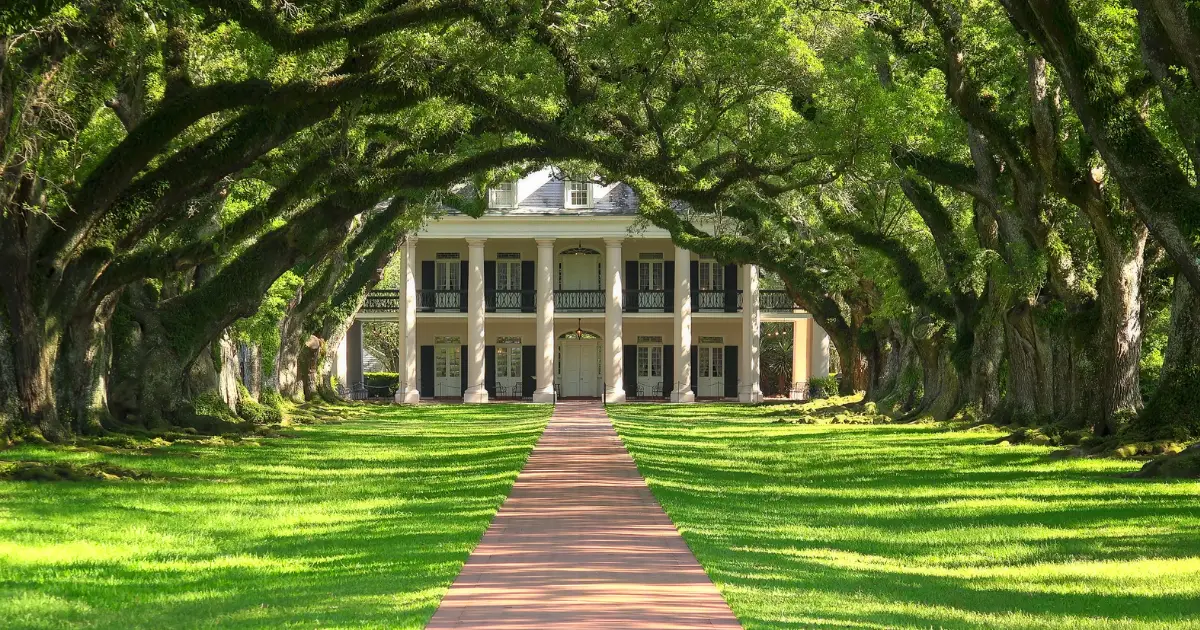
Yes, you can sell a historic West Palm Beach house as-is; the buyer inherits the City's review of exterior work.
Exterior changes need a Certificate of Appropriateness before permits issue, and contributing houses are generally not approved for demolition. Board items are heard about two months after the filing deadline, and owners cannot opt out of a designated district.
This is general information, not legal advice. State rules vary.
Jump to a section
Do you know if your house is contributing to a historic district?
Free. No obligation. You choose the closing date.
You can sell a historic house in West Palm Beach as-is, and the buyer inherits the City's design review along with the deed. "All demolition permits for any structure within the City are reviewed by Historic staff," the City's Historic Preservation FAQs say. Houses that contribute to a district are generally not approved for demolition. Any exterior change needs a Certificate of Appropriateness (COA) before permits issue, and owners cannot opt out once a district is designated.
For a buyer, that means plans and lead time. A Board-level project waits for a meeting set two months out, so a buyer who wants new windows, an addition, or a teardown prices in the wait and the limits. This guide is for owners and heirs of 1920s houses in Old Northwood, Flamingo Park, Grandview Heights, the Historic Northwest, Prospect/Southland Park, and the other districts. It is written for sellers who cannot fund exterior work that needs design review first.
Does the City have to approve the sale of a historic West Palm Beach house?
No City historic preservation page lists a sale among the actions that need review. The City's COA matrix covers physical work, such as roofs, windows, porches, additions, and demolition. A change of owner is not on it.
What does carry over is the designation itself. The City's FAQs say that once a district is designated, "owners do not have an option of removing themselves from the historic district." The same answer applies to the next owner, so the house stays under review after closing.
The City's Historic Preservation page counts 18 locally designated historic districts and 46 individually designated sites (City of West Palm Beach, November 2026). The first preservation ordinance was adopted on November 26, 1990, after a survey that began in 1988.
Inside the city limits only
These rules apply to houses inside the City of West Palm Beach. Several West Palm Beach mailing ZIP codes, including 33406, 33409, 33411, 33413, and 33415, reach into unincorporated Palm Beach County. A house there follows Palm Beach County rules, not the City program. It helps to confirm the city limits by address before relying on anything below.
How do you confirm whether a house is designated or contributing?
The City links a Historic Property Search, an interactive web map, from its Historic Preservation page. A seller or buyer can look up an address there before a contract is signed. The City's Planner on Call, at (561) 822-1461 or planning@wpb.org, answers questions about a specific house.
The status matters because review differs by type. Per the City's FAQs, a district holds two kinds of buildings:
- Contributing: buildings whose design and intact features add to the district's historic significance.
- Non-contributing: buildings under 50 years old, or older buildings that have lost their historic integrity.
An individually designated site gets the same protections as a contributing house in a district, the City says. A non-contributing house can become contributing later if its historic features are restored. That can change what the next owner may do.
Old Northwood as an example
Old Northwood shows how dense these districts can be. Its neighborhood association's history page says 173 contributing structures were built there between 1921 and 1929, in Frame Vernacular, Mission, and Mediterranean styles (Old Northwood Neighborhood Association, November 2026). It became the city's first designated historic district in 1991 and joined the National Register of Historic Places in June 1994.

What exterior work needs a Certificate of Appropriateness?
Any work that changes the exterior appearance of a designated or district house needs a COA, and interior remodeling is not reviewed. "Historic approval is required before any permits may be issued for proposed work," says the City's preservation overview page. Painting and minor exterior repair that need no permit need no extra review.
The review covers every side of the house, not just the street view. The City sorts each job into three levels:
- Staff Level 1: reviewed by staff alongside the building permit.
- Staff Level 2: a COA-Minor application, which staff can approve at any time if the plan meets the rules.
- Board Level: a COA-Major application heard by the Historic Preservation Board (HPB).
The City's COA approval matrix, approved by the HPB on January 25, 2005, sets the level for common jobs on a contributing house:
| Exterior job (contributing house) | Review level |
|---|---|
| Roof, same material and shape | Staff Level 1 |
| Roof, change in material | Staff Level 2 |
| Roof, change in shape | Board |
| Windows, same materials, style, and size | Staff Level 1 |
| Windows, change in materials or style | Staff Level 2 |
| New window or door openings on the main facade | Board |
| Addition visible from the street, 10% or less of existing square footage | Staff Level 2 |
| Addition not visible from the street, 20% or less | Staff Level 2 |
| All other additions | Board |
| Enclosing a porch on the main facade | Board |
| Exterior wall finish | Board |
| Permanent shutters visible from the street | Board |
| Demolition or new construction | Board |
| Painting | No review |
What the City expects on materials
The City's guidance on changes names roofs, windows, and siding as the most requested jobs. Its answers shape what a buyer can plan:
- Windows: staff recommend repairing original wood windows; when they are beyond repair, staff recommend in-kind replacement with aluminum impact products.
- Vinyl: generally not permitted for windows or fences.
- Metal roofs: acceptable on a Craftsman, bungalow, or frame vernacular house, but not on Mission or Mediterranean styles.
- Barrel tile: staff recommend replacement in-kind, and the City explains why S-tile is not a stand-in.
Can a buyer tear down a historic house in West Palm Beach?
Usually not, if the house contributes to a district. Any demolition of an individually designated house, or of a house inside a district, needs Historic Preservation Board review and approval. The City's FAQs set the expectation in one sentence:
"Those properties that contribute to the significance of the district are generally not approved for demolition."
City of West Palm Beach, Historic Preservation FAQs
The City's guidance says demolition may be approved for non-contributing houses, or for houses a structural engineer finds deficient. Every demolition request must come with plans for compatible new construction. If the Board grants it, the owner can get a demolition permit only after those new plans are approved.
Historic staff also review every demolition permit for any structure in the city, inside a district or not. A buyer who sees a teardown lot should expect a design process first. That changes the math for anyone pricing the land under an older house.

How long does Historic Preservation Board review take?
A Board-level application is heard about two months after its filing deadline. The HPB convenes on the fourth Tuesday of each month unless the Board adjusts it. Application materials are due by the deadline for the meeting two months before the hearing.
The City's published schedule for the next several meetings:
| Submittal deadline | HPB meeting date |
|---|---|
| November 24, 2026 | January 26, 2027 |
| December 22, 2026 | February 23, 2027 |
| January 26, 2027 | March 23, 2027 |
| February 23, 2027 | April 27, 2027 |
| March 23, 2027 | May 25, 2027 |
The City says these deadlines are strictly enforced. Applications go in through its EPL online system by midnight on the deadline date. Incomplete applications are not placed on an agenda, and staff send review comments before the meeting.
For major projects, the City strongly encourages a meeting with staff before filing. Add that meeting, the drawings, and the permit after approval, and a Board-level job can take months before work starts. Staff Level 2 work can move faster, since a COA-Minor can be filed at any time.
A buyer with Board-level plans often wants time to learn whether those plans can pass. That can mean a longer inspection period or a price that assumes the plans may change. A buyer who takes the house as it stands carries that wait after closing instead.
What is the Ad Valorem Tax Exemption, and does it help a buyer?
The City's Ad Valorem Tax Exemption Program can exempt the added value from restoring a designated house from City and County ad valorem taxes for up to 10 years. It has been in effect since February 14, 1994. It covers contributing houses in a district and individually designated sites.
The timing rule is strict. The City's FAQs say an owner "must apply for this exemption prior to starting any work on the property." The Board must approve a Preconstruction Application before work begins, and the improvements must be finished within two years of approval.
The City gives an example on its WPB & Historic Preservation page. A house assessed at $250,000 rises to $290,000 after a new kitchen, a bedroom and bath, and a rear porch. The $40,000 difference is then exempt from part of the ad valorem taxes for ten years.
What happens to an exemption when the house sells
Florida law lets an exemption outlast a sale. Under § 196.1997(5) of the Florida Statutes, it remains in effect for up to 10 years "regardless of ... any change in ownership." The owner signs a covenant to keep the historic character and the qualifying improvements in place.
That covenant binds later owners and heirs too (Fla. Stat. § 196.1997(7)). If it is broken, the owner can owe the taxes the exemption saved for each year, plus interest. A seller with an active exemption can share the covenant with a buyer early.
Other help is thin. The City's FAQs say no financial assistance is currently available to private owners for rehabilitation. A federal 20% tax credit is aimed at income-producing buildings, such as rentals, per the City's overview page.
Why does an as-is buyer price in design review?
An as-is buyer takes on the review, the materials standards, and the calendar, and those cost time and money. A buyer who plans to restore, rent, or rebuild weighs each one before making an offer.
Here is what a buyer of a 1920s district house typically checks:
- Status: contributing, non-contributing, or individually designated, from the City's map.
- Roof and windows: whether in-kind materials are needed, since a change in material needs at least staff review.
- Additions: whether the plan stays under the 10% and 20% staff thresholds or goes to the Board.
- Calendar: which Board deadline the plans could make, and how long the house sits before work starts.
- Exemption covenant: whether an active covenant comes with the house.
Listing is the other path, and it has its own wait. Redfin puts the days on market in West Palm Beach at a median of 90 for the three months ending September 2026, down from 104 a year earlier (Redfin, September 2026). Any exterior repair made to get a house ready to list can need its own COA first.
Open code cases can add to the list. If the house has an unpaid City lien, our guide to selling a West Palm Beach house with a code lien covers how those surface at closing. Heirs can start with selling an inherited house in West Palm Beach for the probate steps.
How can Propcash help with a historic West Palm Beach house?
Propcash is a direct cash homebuyer, and we want to buy your historic house as-is, design review and all.
That includes a designated house with a roof, windows, or porch that would need a COA before anyone could fix them. No repairs, no cleaning, no showings, and no fees or commissions charged to you. Our offers are based on local market data, and we'll show you how we got to our number.
You pick the closing date, and cash sales can close in as few as 7 days after the contract is signed. Our offer doesn't expire, so you can compare it with listing or with doing the work yourself. If a cash sale isn't your best move, we'll tell you. You can get a cash offer or read more on our West Palm Beach cash house buyer page.
Frequently Asked Questions
Does West Palm Beach review interior remodeling in a historic district?
No. The City's Historic Preservation FAQs say a Certificate of Appropriateness covers work that changes the exterior appearance, and staff do not review interior remodeling. The one exception on the City's COA matrix is an Ad Valorem Tax Exemption application, where interior work is reviewed by the Board as part of the exemption.
Will historic designation raise the property tax bill on a West Palm Beach house?
The City says no. Its Historic Preservation FAQs state that houses in historic districts are taxed no differently than houses outside them, because property taxes are tied to real estate values. A buyer's bill still resets under the normal Florida rules that apply to every sale.
Can a seller add vinyl windows or a vinyl fence before listing a historic house?
Generally not. The City says vinyl fences are not permitted in historic districts, and its guidance for owners says vinyl is generally not permitted for windows either. A change in window materials or style needs at least a staff-level Certificate of Appropriateness, so a quick pre-sale upgrade can turn into a review.
Does a non-contributing house in a West Palm Beach district still need review?
Yes. The City reviews exterior work on non-contributing houses too, with a focus on size, massing, and placement so new work does not harm the houses around it. Demolition requests may be approved for non-contributing houses, but the request still goes to the Historic Preservation Board with plans for what will replace the house.
Do West Palm Beach historic rules apply to a house with a West Palm Beach mailing address outside the city?
No. The City's historic preservation program covers its own designated districts and sites inside the city limits. Several West Palm Beach mailing ZIP codes reach into unincorporated Palm Beach County, and a house there follows Palm Beach County rules instead.
Does a historic district house have to be restored to its original look before it is sold?
No. The City's FAQs say designation does not require an owner to restore a house to the way it was first built. Review applies when someone proposes exterior work, and general maintenance that needs no permit, such as painting or minor exterior repair, needs no extra review.
Data Sources: City of West Palm Beach Historic Preservation pages, FAQs, and COA approval matrix; Florida Statutes; Old Northwood Neighborhood Association; Redfin. Propcash is a direct cash homebuyer, not a law firm or tax adviser. Sellers should talk with a Florida attorney or a tax professional about their own case.
Reviewed by the Propcash Editorial Team under our editorial standards. Published by Propcash, a direct cash buyer of houses. This guide is general information. Laws, fees, and market figures change, so check the current rules for your state.
