
Key Takeaways
- Five systems decide these sales: Galvanized plumbing, knob-and-tube or under-capacity electrical, settling brick foundations, an aging roof, and end-of-life mechanicals
- The lender is the real gatekeeper: A buyer may love an old house, but an appraiser or underwriter can require repairs before funding
- St. Louis carries local wrinkles: Private sewer laterals, federal lead paint disclosure on pre-1978 houses, historic district review, and the City occupancy permit
- Repair-and-list is a cash-and-time bet: Money goes out months before any comes back, and contractor scheduling controls the calendar
- Not every house should sell as-is: A sound house with cosmetic issues can do well on the market. St. Louis houses go to pending in a median of 11 days (Zillow, April 2026)
If you need to sell a house that needs repairs in St. Louis, the condition of the house is usually not what stops the sale. The lender is. St. Louis is dense with pre-1940 brick houses running on original galvanized plumbing, electrical service sized for a 1930s household, settling masonry, and mechanicals past their design life.
This guide covers the five systems that sink retail sales of old St. Louis houses, the local requirements that catch sellers off guard, and an honest comparison of repairing first versus selling as-is. If speed is your main concern, our page on how to sell a house fast in St. Louis covers the timeline in more detail.
Why St. Louis Brick Houses Behave Differently
St. Louis brick houses were built to last, which is why so many still stand with their original systems inside. The pre-1940 stock is largely solid masonry: load-bearing brick in soft lime mortar, with wood framing carried on the walls. The shell outlives everything installed in it.
That is what makes these sales unusual. In newer housing, problems arrive one at a time. In a 1920s south-city brick two-family, they arrive together, because every system is the same age.
Price context matters too. The median sale price in the City of St. Louis was $250,000 in March 2026, up 4.2% year over year (Redfin, March 2026). The typical value across the whole city housing stock was $186,427 as of April 2026 (Zillow ZHVI, April 2026). Those figures measure different things. A repair bill that is reasonable against a $250,000 sale can be most of the value of a house on a lower-priced block.
The City of St. Louis has been legally separate from St. Louis County since 1876, with different government and procedures. County median sale price was $275,000 in March 2026 (Redfin, March 2026). Confirm which jurisdiction your house sits in.
The Five Systems That Sink a Retail Sale
Five systems account for most failed retail sales on old St. Louis houses: plumbing, electrical, foundation and masonry, roof, and HVAC. Cosmetic problems almost never end a deal here. System problems do, because each can move from the inspection report into the lender's file.
| System | What shows up in an old St. Louis house | Why it spooks the lender |
|---|---|---|
| Plumbing | Galvanized supply lines corroding from the inside; cast iron drains | Leaks and low flow read as habitability problems, and a repipe opens walls |
| Electrical | Knob-and-tube remnants, fuse boxes, ungrounded outlets, small service | Safety items often become required repairs, and some insurers will not write a policy |
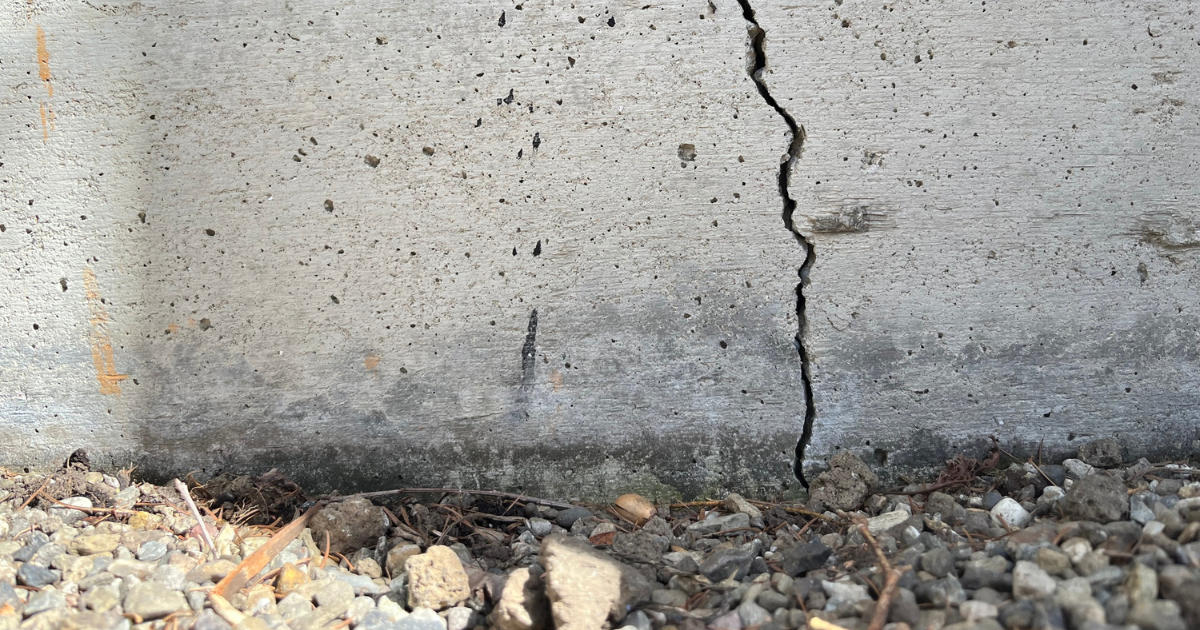
| Foundation and masonry | Settling walls, stepped cracking, open mortar joints needing tuckpointing | Structural language triggers an engineer's letter, and appraisers often condition on repair |
| Roof | Layered shingles at end of life, failing low-slope rear sections, bad flashing | Remaining roof life is a standard appraisal item, and loan programs dislike active leaks |
| HVAC | Original boilers, past-warranty furnaces, no central cooling, little ductwork | No working heat is a habitability issue, and adding ducts to masonry is invasive |
Settled Is Not the Same as Settling
Nearly every century-old brick house in St. Louis has settled somewhere, and much of that movement stopped decades ago. Movement that has stabilized is a different problem from movement that is ongoing. A licensed structural engineer can tell them apart, and lenders often want that letter.
Electrical Also Affects Insurance
Knob-and-tube wiring and fuse panels turn up regularly in pre-1940 St. Louis houses, mixed with decades of partial updates. Some carriers decline to write a new policy on a house with active knob-and-tube, and a buyer who cannot insure a house cannot close on it.
The Sewer Lateral Wrinkle
The private sewer lateral catches St. Louis sellers off guard because it is buried and is generally the owner's responsibility, not the utility's. It runs from the house to the public main, and in a pre-1940 house it is often original clay pipe.
Requirements in the region are set by the Metropolitan Sewer District. They can surface at a transfer and create a repair obligation before a sale closes. Specifics vary by jurisdiction and change, so confirm current rules with the Metropolitan Sewer District and your title company.
For an as-is cash sale, a compromised lateral is a known line item. For a financed sale, it can push closing out by weeks.
Lead Paint Disclosure on Pre-1978 Houses
Any house built before 1978 carries a federal lead paint disclosure obligation, which covers essentially all pre-1940 St. Louis stock. The seller must disclose known lead-based paint and known hazards, provide the EPA lead hazard pamphlet, and allow a 10-day testing window the buyer may waive.
The disclosure covers what you actually know. You are not required to test the house first, and it applies however you sell.
An as-is sale changes who pays for repairs. It does not change your duty to be honest about what you know, and it does not remove federal lead paint requirements.
Historic Districts and Exterior Work
If your house sits in a local historic district, exterior work may require review before it can proceed, which changes the math on a repair-then-list plan. Soulard, Lafayette Square, and parts of the Central West End are among those neighborhoods.
The practical effect is on time and material choices, not on whether you can sell. Review adds calendar time before a contractor can start, and it can rule out the cheapest version of a repair.
Boundaries, standards, and exemptions differ by district and change over time. Confirm what applies to your address with the City of St. Louis before you order materials.
The City of St. Louis Occupancy Permit Angle
The City of St. Louis generally requires an occupancy permit before a buyer can legally occupy a house after a transfer. The inspection tied to it can surface code items a seller never knew about, turning deferred maintenance into a documented list.
Requirements, exemptions, and scope change over time, and the City's process is not what applies in County municipalities. Confirm current rules with the City of St. Louis Building Division. Our guide to selling a house in St. Louis City versus St. Louis County covers which rules apply to which address.
A cash buyer purchasing as-is can often take those items on directly.
Should You Repair and List, or Sell As Is in St. Louis?
The decision comes down to time, cash, and certainty. Repairing first can produce a higher sale price, and it moves risk and expense onto you for several months. Selling as is in St. Louis, MO trades some price for speed and certainty.
| Factor | Repair, then list | Sell as-is for cash |
|---|---|---|
| Time to cash | Illustrative: 3 to 6 months across scheduling, the work, listing, and closing | Cash closings can happen in as few as 7 days, or later if you prefer |
| Cash out of pocket | Deposits, permits, and materials, paid months before any comes back | None. Repairs, cleaning, and cleanout are the buyer's problem |
| Carrying costs | Mortgage, insurance, utilities, and taxes continue | Stop at closing |
| Certainty | Lower. Scope grows once walls are open, and financed buyers still fall through | Higher. No lender, no appraisal condition, no repair contingency |
| Price | Retail, less commissions, repair spend, and carrying costs | Below retail, because the buyer takes on the repair cost and risk |
| Best fit | Sound house, cosmetic issues, time and cash available | Several major systems at once, limited cash, or a fixed timeline |
The timeline ranges above are illustrative examples, not quotes or predictions.
One number is worth holding onto. In March 2026, 58.2% of St. Louis home sales closed under list price (Zillow, March 2026). A repair budget built on an optimistic list price can come up short.
Repair-heavy houses are also very often inherited houses, where heirs split the decision and the carrying costs. Our guide to selling an inherited house in St. Louis covers the probate side.
Why wait? Sell your house “as is” for cash today
Tell us about your house. We'll make you a cash offer based on local market data.
Let's chatWho Buys Old St. Louis Brick Houses That Need Work?
Renovation buyers who already know this housing stock buy most of these houses. They have masonry crews who understand lime mortar, plumbers who have repiped galvanized systems, and electricians who upgrade century-old service. They price the work from experience rather than fear.
That is the difference between the two buyer pools. A financed buyer sees a settled foundation and imagines the worst case. A renovation buyer sees a line item with a known crew.
Propcash is a direct cash homebuyer, and we buy St. Louis houses as-is. We make one transparent cash offer based on local market data, and we show you how we got to our number. No repairs, no cleaning, no cleanout.
Sellers pay no commissions, fees, or closing costs to Propcash, and you pick your closing date. Cash transactions can close in as few as 7 days once terms are agreed, and our offer stands while you think it over.
When Listing Is Still the Better Move
If your house is structurally sound and the problems are mostly cosmetic, listing is often the better move, and we will say so. Dated kitchens, worn flooring, and tired paint are not what stalls a financed sale. St. Louis houses went to pending in a median of 11 days (Zillow, April 2026).
The honest test is whether a lender would fund the house today. A house with working heat, a sound roof, safe wiring, and no active leaks will generally pass, and cosmetic issues become price adjustments. If a cash sale is not your best move, a good local agent is.
Frequently Asked Questions
Can I sell a house that needs repairs in St. Louis without fixing anything?
Yes. Missouri law does not require a seller to repair a house first, and an as-is sale is a normal, legal transaction. What changes is the buyer pool, because a lender can refuse to fund a house with an unsafe panel or an active leak. You still owe honest disclosure of what you know, including federal lead paint disclosure on a pre-1978 house.
What repairs scare buyers most in an old St. Louis brick house?
Five systems do most of the damage: plumbing, electrical, foundation and masonry, roof, and HVAC. Galvanized supply lines, knob-and-tube wiring, open mortar joints, and end-of-life roofs all appear on inspection reports and can stall a mortgage. Cosmetic problems rarely end a St. Louis sale. System problems do.
Who is responsible for the sewer lateral when selling a house in St. Louis?
The private sewer lateral, the pipe running from the house to the public main, is generally the property owner's responsibility rather than the utility's. Metropolitan Sewer District requirements can surface at the time of a transfer, and a failed lateral can become a repair obligation before a sale closes. Laterals in pre-1940 houses are often original clay pipe. Confirm current rules with the Metropolitan Sewer District.
Do I need an occupancy permit to sell my house in the City of St. Louis?
The City of St. Louis generally requires an occupancy permit before a buyer can legally occupy a house after a transfer. The inspection tied to it can surface code items a seller did not know about. Requirements change over time and differ from the rules in St. Louis County, a separate jurisdiction. Confirm the current process with the City of St. Louis Building Division.
Should I repair my St. Louis house before listing it or sell it as is?
It depends on whether the problems are cosmetic or structural, how much cash you can spend before closing, and how much certainty you need. Cosmetic work on a sound house often pays for itself. This market also rewards realistic pricing, with houses going to pending in a median of 11 days as of April 2026 (Zillow). When several major systems are done at once, an as-is cash sale is often the calmer path.
Who buys old brick houses in St. Louis that need major work?
Renovation buyers who already know St. Louis brick stock buy most of these houses. They have masonry crews, plumbers, and electricians who work on century-old buildings routinely, so they price the job from experience. Propcash is a direct cash homebuyer and purchases St. Louis houses as-is, making one transparent cash offer based on local market data. Sellers pay no commissions and no fees to Propcash.
Your House Is Aging, Not Failing
A pre-1940 St. Louis brick house needing plumbing, wiring, masonry, roofing, and heat work is not a lost cause. It is a house that outlived its systems, which is what well-built masonry houses do. The question is which buyer is set up for that work.
Price the repairs honestly, confirm what applies to your address, then compare the two paths side by side. If the house is sound and the issues are cosmetic, list it. Otherwise, a no-obligation cash offer is a reasonable place to start.
Why wait? Sell your house “as is” for cash today
Tell us about your house. We'll make you a cash offer based on local market data.
Let's chatDisclaimer: This article is for informational purposes only and is not legal, structural, or engineering advice. Any cost or timeline figures are illustrative examples for planning, not quotes, appraisals, or offers. City of St. Louis occupancy permit requirements, historic district review standards, and Metropolitan Sewer District lateral rules change over time and vary by address. Confirm current requirements with the City of St. Louis and the Metropolitan Sewer District, and consult a licensed Missouri attorney or structural engineer for property-specific advice.