
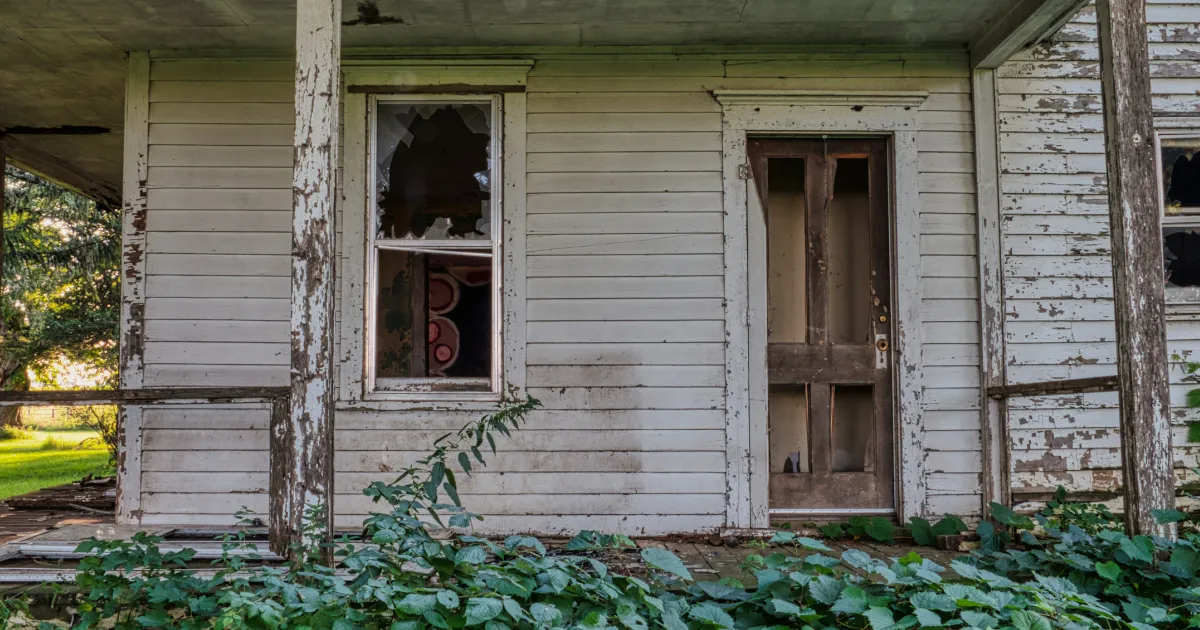
You can generally sell a Joplin house with an open dangerous building order.
The City posts dangerous buildings and sends written notice, and owners working with the Building Official are generally kept off the Building Board of Appeals agenda. If the City demolishes, Missouri law makes the cost a special tax bill and a lien until paid.
This is general information, not legal advice. State rules vary.
Jump to a section
Has the City posted a notice on your house yet?
Free. No obligation. You choose the closing date.
A Joplin dangerous building order can feel like the end of the road for a vacant or fire-damaged house. It usually is not. The City of Joplin, Missouri, gives owners several ways forward: repair under permit, a plan worked out with the City, more time from the board, demolition, or a sale.
Can you sell a Joplin house under a dangerous building order?
You can generally sell a Joplin house under a dangerous building order, as long as the buyer knows about the order and any City charges are handled at closing. None of the sources read for this guide show a Joplin rule that bars a transfer while a case is open.
What changes is who is a realistic buyer. A buyer who needs a mortgage may struggle with a posted house, while a cash buyer who plans to repair or rebuild can often take it as it stands.
The order itself is about the building, not the owner. Under RSMo 67.410, notices go to the owner and to "all other persons having an interest in the building or structure as shown by the land records." A new owner of record would fall inside that group. It can help to ask the Building Division, in writing, what it needs from a buyer before you close.
How a Joplin dangerous building case starts
A Joplin dangerous building case usually starts when a City inspector posts the building and sends written notice to the owner and other interested parties. The City described that step to the State Auditor in October 2025, saying it "posts all dangerous buildings and notifies all interested parties in writing."
The rule sits in Chapter 26 of the City code. The State Auditor's 2025 audit report on the City quotes Section 26-615(3). It tells the inspector to "notify in writing all parties" of a building the inspector considers dangerous, except in emergency cases.
The 2025 change for owners who work with the City
In September 2025, the City Council advanced an amendment to that section, The Joplin Globe reported. The new wording lets the inspector skip the board when "the owner is working with the building department to correct dangerous conditions."
In its audit response, the City confirmed it "has changed its ordinance" so owners working with the Building Official are not reported to the board while the house is brought into compliance. This guide could not read the adopted text or its ordinance number, because the City's code library was not reachable.
Which houses go to the board
The Globe and the City's audit response describe two groups of referrals:
- Vacant houses where the owner does not respond to notices.
- Houses where the owner has not made acceptable progress on repairs.
Emergencies, such as a building collapse, are handled outside the board, according to the Globe. For a vacant house, answering the first notice may be the most useful step.
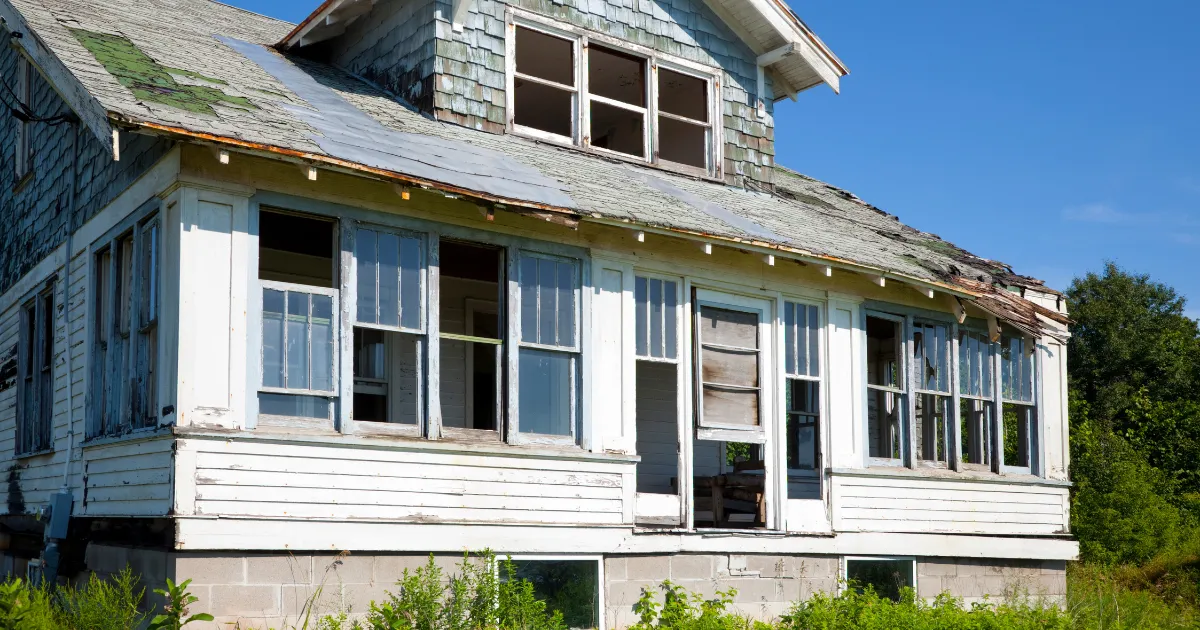
What happens at the Building Board of Appeals?
The Building Board of Appeals hears dangerous building cases and can order a house repaired or demolished. It meets once a month, and its agendas usually carry about 20 cases, according to The Joplin Globe (September 2025).
The City told the State Auditor it keeps meetings to roughly three hours. Houses "poised for demolition or that present an imminent danger to the public are prioritized." The City's planning director told the Globe the process is quicker when owners work with the City.
What Missouri law requires at the hearing
Missouri's statute, RSMo 67.410, sets a floor for hearings under a city's dangerous building ordinance. The City cites RSMo 67.400 in its audit response. The statute calls for these protections:
- At least ten days' written notice of the hearing.
- The right to be represented by counsel.
- An opportunity for every party to be heard.
- An order with specific findings of fact, based on "competent and substantial evidence."
What the board has done with fire-damaged houses
The City's meeting record for February 28, 2025 shows the board declaring fire-damaged houses dangerous and ordering them demolished. In one case, the record notes the house was already in poor condition before the fire. A house with both older wear and new fire damage may face a harder repair case at the board.
The dates that apply to your house are the ones printed on your own notice or order. If anything is unclear, the inspector named on the notice is the person to ask. Any extra time from the board is safest in writing.
The Joplin dangerous building path and your options
The Joplin dangerous building path generally runs from posting and written notice, to a board hearing and order, to City demolition and cost recovery. The table shows each step and the owner's options.
| Step | What the source says | Owner options at this step |
|---|---|---|
| 1. Inspection, posting, and written notice | The City posts dangerous buildings and notifies interested parties in writing (State Auditor, October 2025) | Call the inspector, ask what clears the case, and start a written plan |
| 2. Working with the City | Owners working with the Building Official are not reported to the board while in progress (City audit response) | Repair under permit and keep records, or sell to a buyer who takes on the work |
| 3. Referral to the board | Vacant houses with no owner response, or repairs not progressing (Joplin Globe, September 2025) | Answer the notice and bring an estimate or a signed contract |
| 4. Board hearing | At least ten days' written notice; counsel allowed; all parties heard (RSMo 67.410) | Attend, ask for time, and show a plan |
| 5. Order to repair or demolish | Written findings of fact are required (RSMo 67.410; Graves v. City of Joplin, 2001) | Comply, sell with the order disclosed, or ask a lawyer about court review |
| 6. Demolition contract | The City approves demolition contracts by expedited ordinance (State Auditor, October 2025) | Demolish under your own permit first, or sell before the work starts |
| 7. Cost recovery | Special tax bill; a personal debt and a lien until paid; installments up to ten years on request (RSMo 67.410) | Ask for a payoff figure; it is usually paid from sale proceeds at closing |
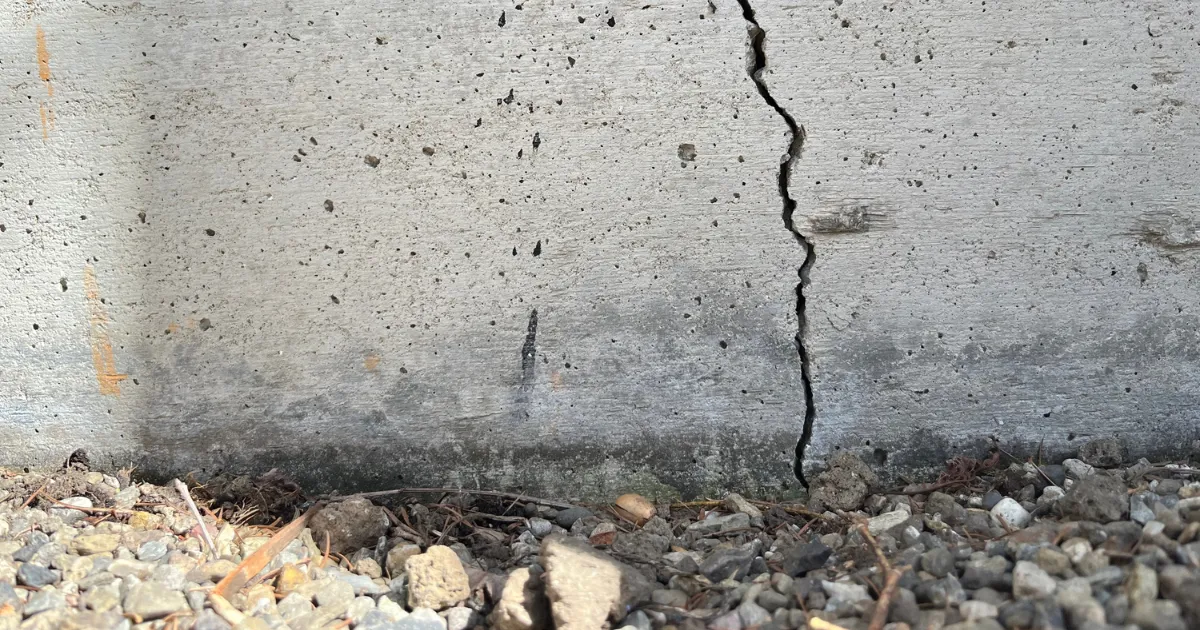
Selling a fire-damaged house in Joplin
You can sell a fire-damaged house in Joplin before repairs, but the insurance claim and any City case both shape the timing. Fire damage is often what puts a house on the dangerous building list, so the two tend to arrive together.
Missouri's insurance proceeds rule
Missouri lets a city's dangerous building ordinance hold back part of a large fire claim, under RSMo 67.410.2. The statute works like this:
- It applies only to a claim payment over 50% of the policy's face value.
- The insurer can withhold up to 25% of that payment and send it to the city.
- A named mortgagee keeps priority over the city.
- The city releases the money within 30 days unless it has started proceedings for repair or demolition.
This guide could not confirm whether Joplin's ordinance uses this option. The insurance adjuster and the Building Division can each tell you whether any money is being held.
Vacancy clauses
Some homeowner policies limit coverage once a house has been vacant for a stated period. The wording differs from policy to policy. The declarations page and any vacancy endorsement are the documents that decide what applies to your house.
Selling a vacant house in Joplin, MO
You can sell a vacant house in Joplin, MO, as-is, and an empty house is one of the situations the City says it is most likely to take to the board.
Empty houses are not rare in Joplin. Of the city's 25,398 housing units, 10.6% were vacant in the Census Bureau's American Community Survey (2020-2024 five-year estimates). The same survey counts 14.8% of units as built in 1939 or earlier.
Owners who live out of town
An owner who lives elsewhere may not see a notice posted on the door. Keeping a current mailing address on the county tax record can help notices reach you. Heirs of a Joplin house often face this, and our guide to inherited houses in Joplin and Jasper or Newton County probate covers that side.
Tall grass or trash goes through a separate City process. Our guide to code violation letters from the City of Joplin explains that path. For a broader look at empty houses, see our page on selling a vacant house as-is.
How demolition costs can follow the house
When a city demolishes or repairs a dangerous building under a Missouri ordinance, the cost generally becomes a special tax bill under RSMo 67.410.1(5).
"The tax bill from date of its issuance shall be deemed a personal debt against the property owner and shall also be a lien on the property until paid."
RSMo 67.410.1(5), the Missouri dangerous building statute
At the taxpayer's request, the bill may be paid in installments over up to ten years. A contractor hired under a city order may file a mechanic's lien instead.
The City posts its demolition contract notices online, with a Lead Dangerous Building Inspector as the contact. The City also told the State Auditor it uses expedited ordinances to approve contracts with demolition contractors.
What a lien means at closing
A lien on the land generally shows up in the title search and is paid from the seller's proceeds at closing. A sale before the City demolishes may keep a demolition bill from attaching at all.
Can an owner ask a court to review a board order?
An owner can ask a Missouri circuit court to review a Joplin Building Board of Appeals order. One example is Graves v. City of Joplin, which the Missouri Court of Appeals, Southern District, decided in 2001.
In Graves, the board ordered a building demolished and the circuit court affirmed. The appeals court reversed and sent the case back, because the board had issued no written findings. It called the missing written decision a "non-waiveable error." The court reviewed the case under Missouri's administrative review statute, RSMo 536.140.
For contested agency cases, RSMo 536.110 allows a petition for review "within thirty days after the mailing or delivery of the notice of the agency's final decision." A Missouri attorney can say whether that deadline applies to your order.
Repair, sell as-is, or demolish
Joplin owners facing a dangerous building order generally choose between repairing under permit, selling as-is, or demolishing and selling the lot.
Repairing under permit
Repairs follow the City's codes. The Building Division lists the 2018 International Residential Code with local amendments, effective April 2018. The City's permit page says an owner who intends to "repair, move, demolish" a building must first get the required permit. General repairs are exempt unless they cut walls, remove supports, change exits, or alter piping or wiring.
Selling as-is
A cash buyer can often take the house with the order open and handle the repair or rebuild after closing. Propcash is a direct cash homebuyer and can buy Joplin houses as-is, including houses with a posted order. We make one written offer, based on local market data, and show how we got there.
For context, Redfin reports a Joplin median sale price of $177,416 for the three months ending September 2026. Houses sold in a median of 34 days, up from 23 a year earlier (Redfin, September 2026). Separately, Zillow's ZHVI put Joplin's typical home value at $206,480 (Zillow ZHVI, September 2026). Those figures describe houses that are ready to sell, not houses under an order.
Demolishing and selling the lot
An owner can also take the building down under a City demolition permit and sell the lot, at an upfront cost. This can keep a City demolition bill off the land.
| Question | Repair under permit | Sell as-is | Demolish, then sell the lot |
|---|---|---|---|
| Permit needed? | Yes, for structural, egress, wiring, or piping work (City permit page) | Not from the seller; the buyer pulls permits for later work | Yes, the permit page lists demolition |
| Board agenda | Owners working with the City are generally kept off it | The case stays with the building and its owner of record | The dangerous building is removed |
| Who pays upfront | The owner | The buyer, after closing | The owner |
| City cost risk | Low while the work progresses | Any existing special tax bill is a lien, usually paid at closing | None from the City if the owner demolishes first |
| Code standard | 2018 IRC with local amendments | Applies to the buyer's later work | Applies to any new house built on the lot |
If a cash sale fits, you can request a cash offer on your Joplin house. Selling to Propcash is free, with no fees or commissions, and you pick the closing date. A sale can close in as few as 7 days after the contract is signed. If a cash sale is not your best move, we will say so. Our Joplin cash home buyer page covers how the process works locally.
Frequently Asked Questions
Does a Joplin dangerous building order go away when the house sells?
A Joplin dangerous building order is about the condition of the building, so a sale by itself does not appear to end it in any source read for this guide. Missouri's statute (RSMo 67.410) has notices go to everyone with an interest shown in the county land records, which would include a new owner of record. Owners can ask the Building Division in writing what it needs from a buyer before closing.
How often does Joplin's Building Board of Appeals meet?
Joplin's Building Board of Appeals meets once a month, and its agendas usually carry about 20 cases, according to The Joplin Globe (September 2025). The City told the State Auditor in October 2025 that it keeps meetings to roughly three hours. Houses poised for demolition or posing an imminent danger are listed first.
Will the City send every dangerous building in Joplin to the board?
The City of Joplin does not send every dangerous building to the board. In its response to the State Auditor (October 2025), the City said it changed its ordinance on this point. Owners working with the Building Official are not reported to the board while the house is brought into compliance. Vacant houses with no response from the owner, and cases without acceptable progress, are the ones usually escalated.
Can the City hold back part of a fire insurance payment on a Joplin house?
Missouri law lets a city's dangerous building ordinance hold back up to 25% of a fire or casualty claim payment that exceeds 50% of the policy's face value (RSMo 67.410). The city must release the money within 30 days unless it has started proceedings for repair or demolition. This guide could not confirm whether Joplin's ordinance uses that option, so owners can ask the insurer's adjuster and the Building Division.
Do Joplin owners need a permit to repair fire damage?
Fire repairs in Joplin usually need a permit when the work touches structure, egress, wiring, or plumbing. The City's permit page says an owner who intends to repair or demolish a building must first apply to the building official and get the required permit. General repairs that do not cut walls, remove supports, change exits, or alter piping or wiring are exempt.
Does it matter whether a Joplin house is in Jasper or Newton County?
The county a Joplin house sits in matters for records and taxes, though the dangerous building process itself comes from the City of Joplin's code. Most of Joplin is in Jasper County, and the southern part is in Newton County, so the parcel decides which county recorder, assessor, and collector apply. ZIP code 64804 spans both counties, so the parcel record is the safer guide.
Data Sources: Missouri State Auditor, The Joplin Globe, City of Joplin records, RSMo, the Missouri Court of Appeals, the U.S. Census Bureau, Redfin, and Zillow. Propcash is a direct cash homebuyer, not a law firm.
Reviewed by the Propcash Editorial Team under our editorial standards. Published by Propcash, a direct cash buyer of houses. This guide is general information. Laws, fees, and market figures change, so check the current rules for your state.