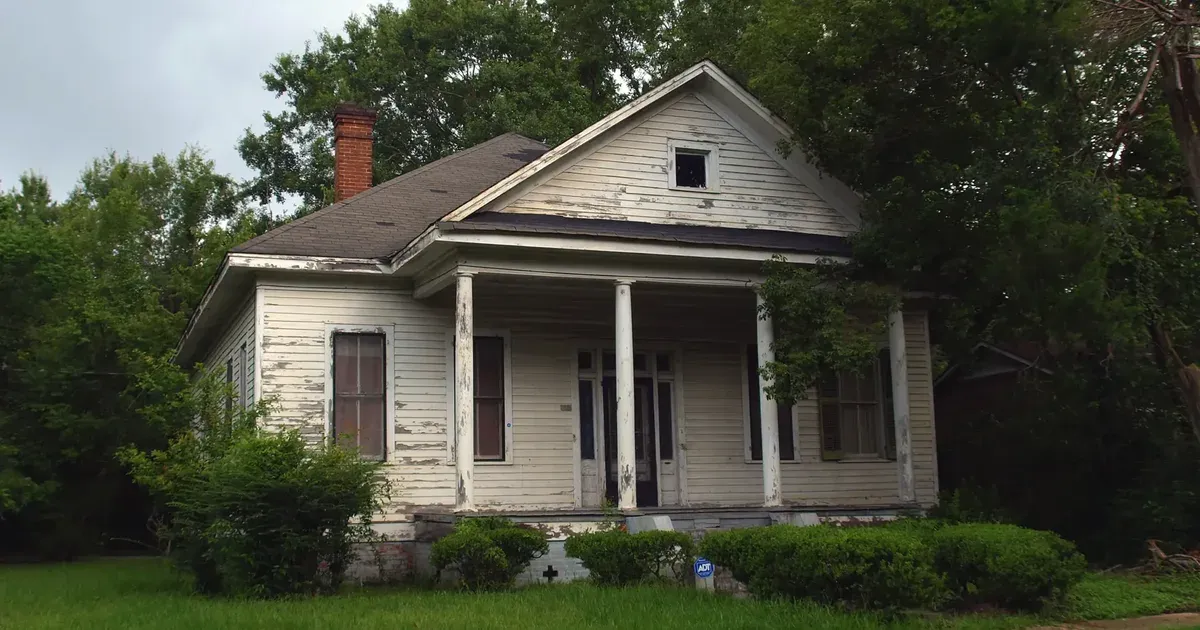
Yes. You can sell a Dayton house with open code violations; the City's Certificate of Disclosure passes them to the buyer.
The City says a sale does not remove violations, and a buyer who signs for them agrees to make the listed repairs within 90 days. The fee is a flat $60, charged only when a violation is open.
This is general information, not legal advice. State rules vary.
Jump to a section
Do you know whether your Dayton house has an open violation notice?
Free. No obligation. You choose the closing date.
You can sell a house with code violations in Dayton, Ohio, and the City says so plainly. Asked whether a house with open violations can be sold, the City's disclosure FAQ answers "Yes," and adds that the rule "is not meant to stop the sale of a property." What the sale does not do is erase the notices.
The tool that carries open violations from one owner to the next is the City's Certificate of Disclosure. This guide covers who files it, when, what it costs, and what the buyer agrees to. It also covers Ohio's own disclosure form and three ways to sell.
Can you sell a house with code violations in Dayton?
Yes, you can sell a Dayton house with open code violations, as long as the violations are disclosed on the City's Certificate of Disclosure before closing. The open notices become part of the deal.
The City Commission adopted the rule so code violations are "resolved or acknowledged before a property changes hands," according to the City's Property Disclosure page. Those are the two paths. Either the work gets done before the sale, or the buyer signs that they know about it and will do it.
The rule covers residential transfers inside the City of Dayton only. Kettering, Oakwood, Trotwood, Huber Heights, and Riverside are separate cities with their own codes. The City says a parcel number that begins with R72 or R726 means the house is in Dayton.
What is the Dayton Certificate of Disclosure?
The Dayton Certificate of Disclosure is a City form, filed with the Housing Inspection Division, that reports whether a house being sold has any open violation notice. The City requires "both the buyer and seller of any residential property" to file it, even when there are no violations at all.
The City links the ordinance behind the form on that page. Ordinance 30565-06, passed in June 2006, enacted Section 93.54 and took effect January 1, 2007. As enacted, it asks for:
- The names, addresses, and phone numbers of the seller and the buyer.
- The names and contact details of any real estate agent, title company, appraiser, and lender in the deal.
- The house's address and lot or parcel number.
- A Housing Inspector's signed statement on whether the house is subject to a notice of violation, with a copy of any open notice attached.
- When notices are open, the buyer's sworn statement that they received a copy.
What the Certificate does and does not do
| The Certificate does | The Certificate does not |
|---|---|
| Tell the buyer about every open violation notice | Stop the sale (City FAQ: "It is not meant to stop the sale") |
| Record that the buyer agrees to make the listed repairs within 90 days | Remove or close the violations when the deed changes hands |
| Charge a flat $60 when a violation is open | Charge per violation, or charge anything when no notice is open |
| Apply to sales of residential parcels inside the City (R72 or R726 parcel numbers) | Apply to judicial-order, government, or divorce-decree transfers |
| Name the lender and title company in the deal | Replace Ohio's separate Residential Property Disclosure Form |
The three exempt transfers come from the City's Disclosure Exempt page. A regular sale to a family buyer, a landlord, or a cash buyer is not one of them.
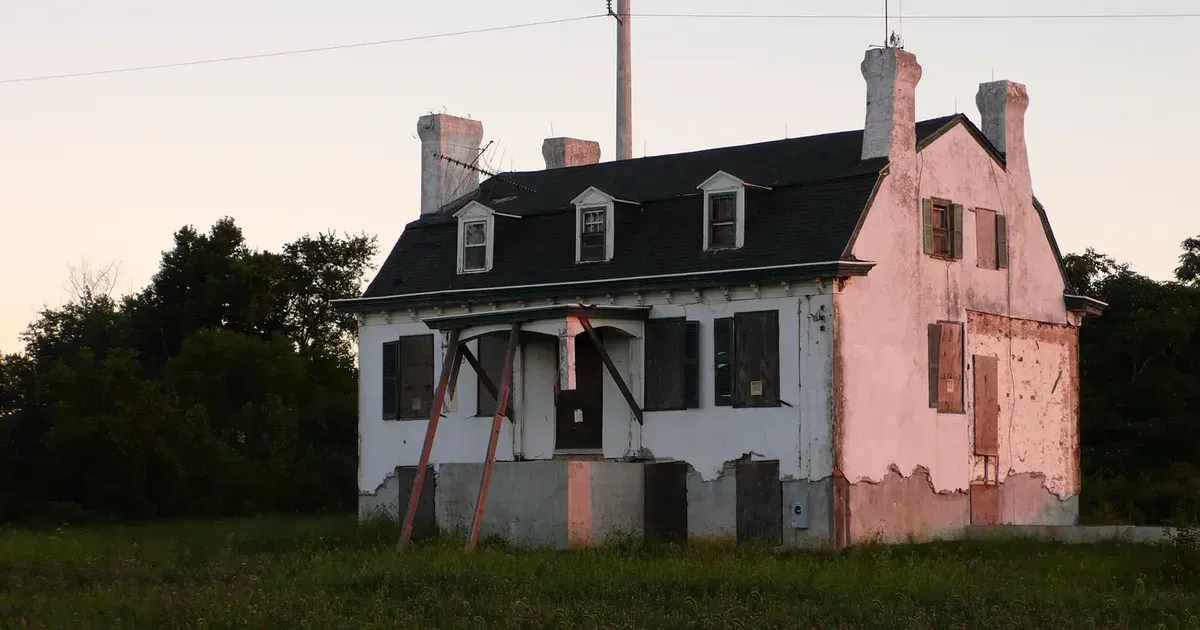
When the Certificate gets filed before closing
The Certificate gets filed in the last week or two before closing, and the title company usually starts it. The City's filing instructions say that "Within 7-10 business days before closing," someone should request violation information, "usually done by the title company."
Here is the order of steps the City describes:
- Request the records. An email goes to Housing Inspection, Finance, and Public Works with the parcel number, the address, and the current and previous owners' names.
- The City checks. Housing looks for open housing code violations. Finance and Public Works look for other pending charges and invoice any that are due.
- Complete the form. With no open violation, the buyer signs and the form can be faxed in. With an open violation, page 2 lists the violation or structural nuisance status.
- Pay the fee if needed. An open violation adds a $60 fee, which "is a flat fee and not per violation."
- Get the receipt. The title agency or seller gets an email confirming receipt if an email is on the form.
The 2006 ordinance set a hard outer limit. It says the Certificate must be filed "no later than three (3) days prior to executing the instrument(s) of conveyance." Starting at the 7-10 business day mark leaves room for a notarized buyer signature and any pending City bills.
The City's Property Disclosure page says you can ask about open violation notices on a house by calling Housing Inspection at 937-333-3867 or emailing disclosure@daytonohio.gov. Knowing the list before you pick a path saves surprises at the closing table.
How open violations in Dayton, Ohio pass to the buyer
Open violations pass to the buyer through the buyer's own signature on the Certificate. When notices are open, the seller and the buyer both sign, and the buyer's signature must be notarized.
"The transfer or sale of a property in the City of Dayton does not remove violations from a property."
City of Dayton, Property Disclosure FAQ
By signing, the two parties confirm the violations "will either be corrected prior to the sale or the Buyer is agreeing to make the listed repairs within 90 days." The 2006 ordinance adds a choice for the buyer. They can comply within a reasonable time the City sets, or request a hearing within ten days of receiving the Certificate.
What a financed buyer's lender and title company see
A financed sale puts the open notices in front of more people. The ordinance asks for the name of any lender taking part, and the title company is usually the one requesting the violation report. Each lender sets its own rules on whether it will fund a loan on a house with open items.
A cash buyer has no lender to satisfy, which can matter when the repair list is long.

What Ohio's disclosure form asks about code violations
Item L of Ohio's Residential Property Disclosure Form asks the seller directly: "Do you know of any violations of building or housing codes, zoning ordinances affecting the property or any nonconforming uses of the property?" This is a state form, separate from the City's Certificate.
The form comes from ORC 5302.30. A seller must deliver a signed copy to the buyer "as soon as is practicable" (ORC 5302.30(C)). The seller fills it in from actual knowledge and in good faith (ORC 5302.30(D), (E)).
Who is exempt from the state form
ORC 5302.30(B)(2) lists transfers that skip the state form. A few that come up in Dayton:
- A transfer under a court order, including one a probate court orders.
- A transfer by a fiduciary administering a decedent's estate, a guardianship, a conservatorship, or a trust.
- A transfer by an heir who inherited the house and has not lived in it within the year before the sale.
- A transfer between spouses under a divorce decree, or to or from a government entity.
Being exempt from the state form does not exempt anyone from Dayton's Certificate. The City's list of exemptions is shorter, so an heir's ordinary sale usually still needs one.
The buyer's right to cancel
A buyer who gets the state form after signing the purchase contract may rescind under ORC 5302.30(K)(2). The written rescission must arrive within three business days of receiving the form. It also has to come before closing and within 30 days after the seller accepted the offer. The buyer can waive this right, and handing over the form before the offer avoids it.
What happens if a Dayton violation notice sits?
An ignored Dayton housing notice can move from a warning to a citation, then to growing fines that may end up on the Montgomery County property tax bill. The City describes the steps on its Civil Housing Enforcement Process page.
- Warning notice: A first violation, with none in the past 12 months, gets a warning and "a 10-day window to correct issues without penalty."
- Civil citation: If the work is not done, a citation follows with the fines and photos.
- Rising penalties: "After 15 days penalties increase." Unpaid cases may go to the county tax bill after more than 60 days.
- Hearing: Anyone cited can request an administrative hearing to contest the citation or ask for a reduction.
The City says the process aims at "voluntary compliance" and refers low-income owners to assistance programs. Any pending City charges surface when the title company makes its request before closing.
Fix first, sell as-is, or list with a credit
Dayton sellers with open violations usually pick one of three paths: fix first, sell as-is to a buyer who signs for the notices, or list with a repair credit. Each path ends with the same Certificate; what changes is who does the work.
| Path | Who does the repairs | What the Certificate shows | Best fit |
|---|---|---|---|
| Fix first | You, before listing | No open notice once the City confirms; no $60 fee | A short list, time on your side, cash for repairs |
| Sell as-is | The buyer, within 90 days of the sale | Open notices listed; notarized buyer signature; $60 flat fee | Structural items, an empty or inherited house, or an out-of-town owner |
| List with a credit | The buyer, using a price cut or credit you agree to | Open notices listed; notarized buyer signature; $60 flat fee | A house that shows well apart from a few cited items |
Fix first
Fixing first works when the list is short and you have time. It gives a buyer a clean Certificate and keeps the $60 fee off the form. In one of Dayton's 13 local historic districts, plan for an extra step: residential areas zoned HD-2 need a Certificate of Appropriateness "for any exterior work." Our guide to selling a house in a Dayton historic district covers that review.
Sell as-is
Selling as-is fits when the repairs are large, the house is empty, or you live elsewhere. The buyer takes on the listed repairs and the 90-day commitment, and you skip the contractor quotes and reinspection calls. As-is means as-is: the price reflects the open items, and nobody asks you to fix them first. If the house is a rental with tenants, see our guide to selling a Dayton rental house.
List with a credit
Listing with a credit keeps a wider pool of buyers in play. The trade-off is time, showings, and the chance of price cuts. Redfin reports a Dayton median sale price of $140K over the three months ending October 2026, down 5.9% from a year earlier. The median house sold after 43 days on the market.
Redfin also shows 41.9% of Dayton listings with price drops in that period, up 4.6 points. Separately, the Zillow Home Value Index (ZHVI) for Dayton was $137,208 in October 2026, up 1.0% from a year earlier. The two measure different things: Redfin tracks sale prices, while Zillow estimates typical value.
For a side-by-side look at every route, see our roundup of the best ways to sell a house for cash in Dayton.
How can Propcash help with a Dayton house that has open violations?
Propcash is a direct cash homebuyer, and we buy Dayton houses as-is, open violation notices included. We'll make you one cash offer based on local market data and show you how we got to our number.
There are no repairs, no fees, and no commissions, and you pick the closing date, which can be in as few as 7 days after the contract is signed. A cash offer gives you a number to set beside a repair estimate or a listing plan. The Propcash Promise: our offer stands, and there is no aggressive follow-up. If a cash sale is not your best move, we will tell you. You can request a no-obligation cash offer, or read more on our Dayton cash home buyer page and our page on selling a house with code violations.
Frequently Asked Questions
How do I know if my house is inside Dayton city limits for the disclosure rule?
Look at the parcel identification number on your tax bill or deed. The City of Dayton says a parcel number that begins with R72 or R726 is in the City, and a Certificate of Disclosure needs to be filed. Kettering, Oakwood, Trotwood, and other nearby cities are separate, so the Dayton rule does not reach them.
Is the Dayton disclosure fee charged for each violation?
No. The City's FAQ says the $60 is a flat fee and not per violation. The fee is due only when the house has an open violation. The ordinance says no processing fee is charged when there is no notice of violation.
Who signs the Certificate of Disclosure when violations are open?
Both the seller and the buyer sign, and the buyer's signature must be notarized. When there are no violations, the City says the seller signs and provides the buyer's contact information. With open notices, the two signatures confirm the violations were disclosed and will be fixed before the sale or by the buyer.
Which Dayton transfers are exempt from the Certificate of Disclosure?
The City lists three exempt types of transfer. They are transfers made by judicial order, transfers to or by the state or another government entity, and transfers between spouses or former spouses under a divorce, dissolution, annulment, or legal separation decree. An ordinary sale, including a cash sale, is not on that list.
How long does a Dayton buyer have to fix violations after closing?
The City's FAQ says a buyer who signs for open violations is agreeing to make the listed repairs within 90 days. The 2006 ordinance also lets the buyer request a hearing within ten days of receiving the Certificate. The violations stay with the house until they are corrected.
Can a buyer cancel if Ohio's disclosure form arrives after the contract is signed?
Yes, in many cases. Under ORC 5302.30(K), a buyer who gets the form after signing may rescind in writing within three business days of receiving it. The right ends at closing or 30 days after the seller accepted the offer, whichever comes first, and a buyer can waive it.
Reviewed by the Propcash Editorial Team under our editorial standards. Published by Propcash, a direct cash buyer of houses. This guide is general information. Laws, fees, and market figures change, so check the current rules for your state.