
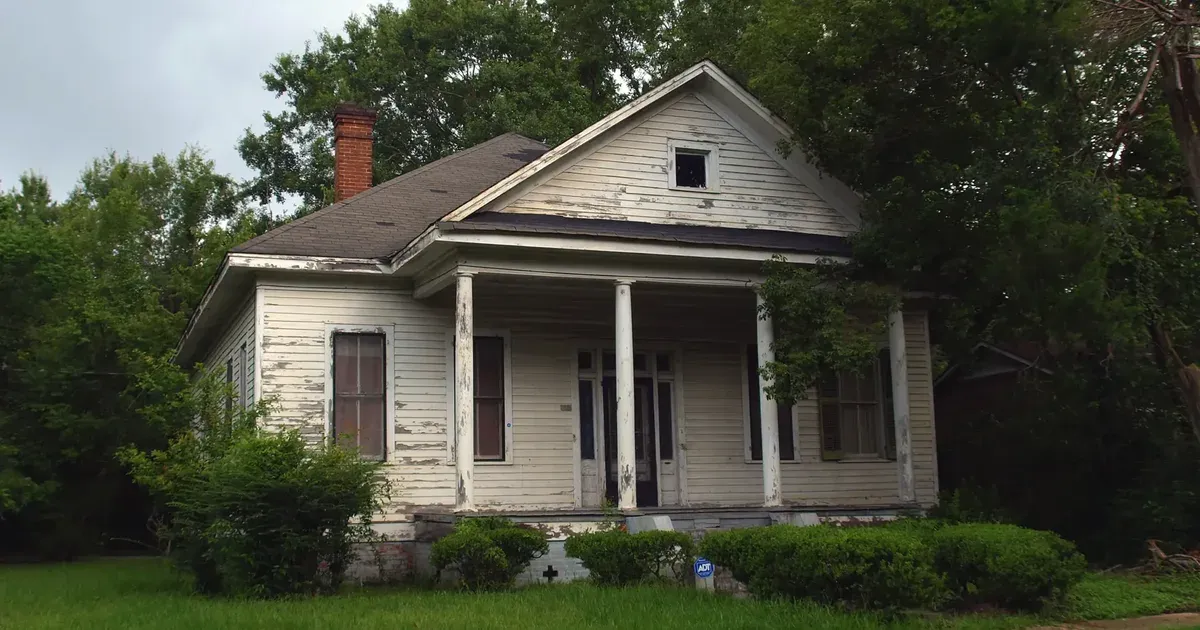
An older New Haven house with lead paint or a lead order can be sold, with the lead disclosed.
A pre-1978 sale carries the federal lead disclosure and the lead questions on the Connecticut condition report, and neither requires testing first. Since January 1, 2025, a reported blood lead level of 5 micrograms per deciliter starts a local health investigation that can end in an abatement order.
This is general information, not legal advice. State rules vary.
Jump to a section
Has the health department sent you a lead order for your New Haven house?
Free. No obligation. You choose the closing date.
If you want to sell a house with lead paint in New Haven, CT, the rules that matter changed recently. Connecticut lowered the blood lead level that requires a local director of health to investigate in three steps. Under Public Act 22-49, the level fell to 15 micrograms per deciliter in 2023, 10 in 2024, and 5 on and after January 1, 2025 (Conn. Gen. Stat. § 19a-111).
A lower trigger means more inspections, and an inspection that finds lead can end in an abatement order addressed to the owner. This guide covers what an order asks for, what you must disclose, and how disclosing, abating, or selling as-is compare. It describes the rules and does not give legal advice, so a licensed Connecticut attorney is the right person for your own case.
What starts a lead inspection in New Haven?
In New Haven, a lead investigation is required when a lab reports a blood lead level of 5 micrograms per deciliter or more to the local director of health. Under § 19a-111(c), the director must then investigate the source and order action by the person responsible for the condition.
The statute set the trigger on a schedule, so the year of the report matters. The table shows each step as the current text and the act's history note state it.
| Period | Blood lead level that requires an investigation | Rule |
|---|---|---|
| Before January 1, 2023 | 20 micrograms per deciliter | Level P.A. 22-49 replaced |
| January 1 to December 31, 2023 | 15 micrograms per deciliter | § 19a-111(c) |
| January 1 to December 31, 2024 | 10 micrograms per deciliter | § 19a-111(c) |
| On and after January 1, 2025 | 5 micrograms per deciliter | § 19a-111(c) |
| Informational materials only | 3.5 micrograms per deciliter | § 19a-111(a) |
The 3.5 figure in subsection (a) is a different duty. At that level, the health director sends state lead information, but the statute does not require an investigation. The statute also lets a director investigate below the minimum level, and it leaves a local building official free to require abatement.
In New Haven, that is the city's director of health. Owners with a notice can ask the Health Department which rule and timeline apply to their order.
How old is New Haven's housing stock?
New Haven's housing is old enough that the federal pre-1978 lead rule reaches a large share of it. The U.S. Census Bureau's 2020-2024 ACS estimates show that 39.6% of the city's 60,333 housing units were built in 1939 or earlier.
Adding the decades from 1940 through 1979 brings the share built before 1980 to about 78%, or roughly 46,800 units. The Census groups construction years by decade, so the count built before 1978 cannot be pulled out exactly. The same table puts 16.2% of units in two-unit buildings and 22.5% in buildings with three or four units.
That mix matters because a two- or three-family is "target housing" under the federal rule if it was built before 1978 (40 CFR 745.103). If you rent units, the same rule covers leases, and the guide to selling a New Haven rental with tenants in place covers what passes to a buyer.

What does a lead abatement order in New Haven require?
A lead abatement order requires the owner to have the lead hazards found in the inspection corrected through a written plan, on deadlines the state's lead regulations set. The rules sit in the Department of Public Health's lead regulations, Regs. Conn. State Agencies §§ 19a-111-1 to 19a-111-11.
The inspection and the notice
When an investigation follows a high blood lead report, the regulations say it begins within 5 working days after the director is notified. If the inspector finds toxic lead that needs abatement, the report goes to the owner by the end of the second working day. Within 2 days of receiving it, the owner must post a notice on each affected entrance.
The plan and the start date
- After a high blood lead report, the owner submits a written abatement plan within 15 working days and starts work within 45 working days of the results.
- In other covered units, the plan is due within 20 working days and work starts within 90 working days.
- The owner gives residents at least 5 working days' written notice before work begins.
- The code enforcement agency reinspects within 10 working days of the owner's report that work is done, including dust clearance testing.
A letter of compliance follows a passing reinspection. Intact lead surfaces do not have to be abated, but where a child lives in the unit, the owner needs a lead management plan within 60 days of the inspection results. The director of health can shorten any timeline to prevent an imminent hazard.
Older and historic houses
For a dwelling 50 years old or older that needs abatement, the regulations require the owner to send the inspection report and a photograph to the Connecticut Historical Commission within 5 working days after the report is completed. The commission reviews whether the house is historic and which abatement methods suit it. If you own in a local district, the guide to selling in a New Haven historic district covers the exterior review side.
What lead paint disclosure does Connecticut require when you sell?
Lead paint disclosure in Connecticut has two layers for a house built before 1978: the federal lead disclosure and the lead questions on the state condition report. Neither one requires you to test the house first.
The federal pre-1978 disclosure
Under 42 U.S.C. § 4852d and the EPA rule at 40 CFR 745.107, a seller of target housing must do these things before the buyer is bound:
- Give the buyer the EPA-approved lead hazard information pamphlet.
- Disclose any known lead-based paint or lead-based paint hazards, with what you know about location and condition.
- Hand over any available records or reports, including common areas and, in a multifamily building, reports on other units that were part of an evaluation of the whole building.
- Offer the buyer a 10-day period to run a risk assessment or inspection, unless both sides agree in writing to a different period or the buyer waives it (40 CFR 745.110).
- Attach the Lead Warning Statement and signed certifications to the contract, and keep a copy for at least 3 years (40 CFR 745.113).
The rule is explicit that disclosure is not a repair mandate. Section 745.107(a) states:
"Nothing in this section implies a positive obligation on the seller or lessor to conduct any evaluation or reduction activities."
40 CFR 745.107(a), the EPA lead disclosure rule
A health department inspection report or an abatement order is the kind of record the rule expects a seller to share. Under the statute, a person who knowingly violates it can be liable to the buyer for 3 times the damages. The same statute says it does not affect the validity of a sale or create a defect in title.
The Connecticut condition report
The Residential Property Condition Report (Revised 07/2025) has an "Asbestos/Lead" section required by Conn. Gen. Stat. § 20-327b. Question 35 asks whether lead paint is present and where, and question 36 asks the same about lead plumbing. Each answer has Yes, No, Unknown, and N/A boxes.
Your answers reach only your actual knowledge (§ 20-327e), and the law does not require you to order tests (§ 20-327d). Executors, administrators, trustees, and conservators are exempt from the state report, but the federal rule's exceptions do not list estate sales. The Connecticut seller disclosure guide walks through the full form.

Can you sell a New Haven house with an open lead order?
The statutes and regulations reviewed here do not bar the sale of a house with an open lead order. The order, the inspection report, and any plan are records to disclose, and the posted notice stays up until the unit is found in compliance.
Who carries the order after closing is less clear in the text. The regulations define the "owner" as anyone who owns, holds, or controls all or part of the deed or title. A lender is not an owner unless it takes physical possession. A lead management plan for intact surfaces must be "transferred with ownership upon transfer of title."
The regulations do not say in plain terms whether an abatement order already issued follows the house or stays with the seller. That depends on the order and on the health department, so it is worth asking the Health Department and a Connecticut attorney before you sign a contract. The regulations also say an owner may not avoid abatement by evicting the household.
The health department's inspection report, the order, any abatement or management plan, clearance test results, and a letter of compliance if you have one. Under 40 CFR 745.107, available reports go to the buyer before the contract binds.
Disclose, abate, or sell as-is: which path fits?
An owner of an older New Haven house can usually disclose and sell as it stands, abate first and then sell, or sell as-is with an order still open. Each path carries the same disclosure duty, and they differ in the work, the timeline, and who handles the order.
| Path | What it requires | The rule |
|---|---|---|
| Disclose and sell | Pamphlet, known lead and hazards, available reports, the 10-day evaluation offer, the contract attachment, and lead answers on the state report | 42 U.S.C. § 4852d; 40 CFR 745.107, 745.110, 745.113; Conn. Gen. Stat. § 20-327b |
| Abate, then sell | Written abatement plan to the director of health, 5 working days' notice to residents, clearance testing, reinspection, and a letter of compliance; disclosure still applies | Regs. Conn. State Agencies §§ 19a-111-3 to 19a-111-5 |
| Sell as-is with an order open | The same disclosure, plus the order, reports, and any plan handed to the buyer; confirm with the health department how the order is treated after transfer | 40 CFR 745.107(a)(4); Regs. Conn. State Agencies §§ 19a-111-1(50), 19a-111-2(e) |
Disclose and sell as it stands
With no order open, some owners choose to disclose what they know and let the buyer use the 10-day evaluation. A financed buyer may ask for lead work as a condition, and that becomes a negotiation. If the house has other deferred repairs, the options for selling a house that needs major repairs may also apply.
Abate before you list
Abatement can end with a letter of compliance, which gives a buyer a clean record to review. It also means a written plan, scheduled work, and a reinspection before the sale moves forward. On a two- or three-family, that includes notice to every affected unit.
Sell as-is
An as-is sale keeps the disclosure duty and hands the work to a buyer who accepts the house's condition. As-is means as-is: the buyer prices the lead work in rather than asking you to do it. For a sale with an order open, the order's status is a question to settle in writing before closing.
How can Propcash help with an older New Haven house?
Propcash can make an offer on a pre-1978 New Haven house as-is, including one with lead paint or an open lead order.
Propcash is a direct cash homebuyer. We make one transparent, data-backed cash offer, explain how we got to our number, and you pick the closing date. There are no fees or commissions, and cash sales can close in as few as 7 days once the attorneys have what they need.
A cash offer is one option to compare with abating first or listing with full disclosure. If a cash sale is not your best move, we will tell you. When you are ready, you can get a no-obligation cash offer or read more about selling a New Haven house fast for cash.
Frequently Asked Questions
Do I have to remove lead paint before selling a house in New Haven?
Federal law does not make a seller test for or remove lead paint before a sale, and the EPA rule says it implies no positive obligation to evaluate or reduce lead. Connecticut's disclosure law also does not require a seller to order tests. A lead abatement order from the health department is a separate duty, and its deadlines run whether or not the house is for sale.
What if I do not know whether my New Haven house has lead paint?
The Connecticut condition report lets a seller mark Unknown on the lead paint and lead plumbing questions, and its answers reach only the seller's actual knowledge. The federal attachment for a pre-1978 house also allows a statement of no knowledge. Any inspection report you already have still has to be given to the buyer.
Does an executor selling a pre-1978 house still give the federal lead disclosure?
Executors and administrators are exempt from the Connecticut Residential Property Condition Report under Conn. Gen. Stat. § 20-327b(b)(4). The federal lead rule's listed exceptions, such as sales at foreclosure, do not include estate sales. A Connecticut attorney can confirm how both rules apply to a particular estate.
Can a buyer skip the 10-day lead inspection period?
A buyer can waive the 10-day evaluation period in writing, and the two sides can also agree in writing on a different length. The purchaser's statement in the contract attachment records whether the buyer received the opportunity or waived it, under 40 CFR 745.113.
What happens if a seller does not disclose a known lead hazard?
Under 42 U.S.C. § 4852d, a person who knowingly violates the disclosure rule can be liable to the buyer for 3 times the damages, plus court costs and attorney fees. Civil money penalties can also apply. The statute says a violation does not undo the sale or create a defect in title.
Does a lead management plan stay with the house after a sale?
Connecticut's lead regulations say a lead management plan for intact lead surfaces is kept by the owner and transferred with ownership when title transfers. The plan lists where intact lead surfaces are and how they will be checked. A buyer would receive it with the other lead records at or before closing.
Can a two- or three-family with tenants be sold while a lead order is open?
The statutes and regulations reviewed here do not bar that sale. The regulations say an owner may not avoid abatement by evicting the household, and they require written notice to residents before work starts. The New Haven Health Department can say how an open order is handled after a transfer.
Reviewed by the Propcash Editorial Team under our editorial standards. Published by Propcash, a direct cash buyer of houses. This guide is general information. Laws, fees, and market figures change, so check the current rules for your state.
