
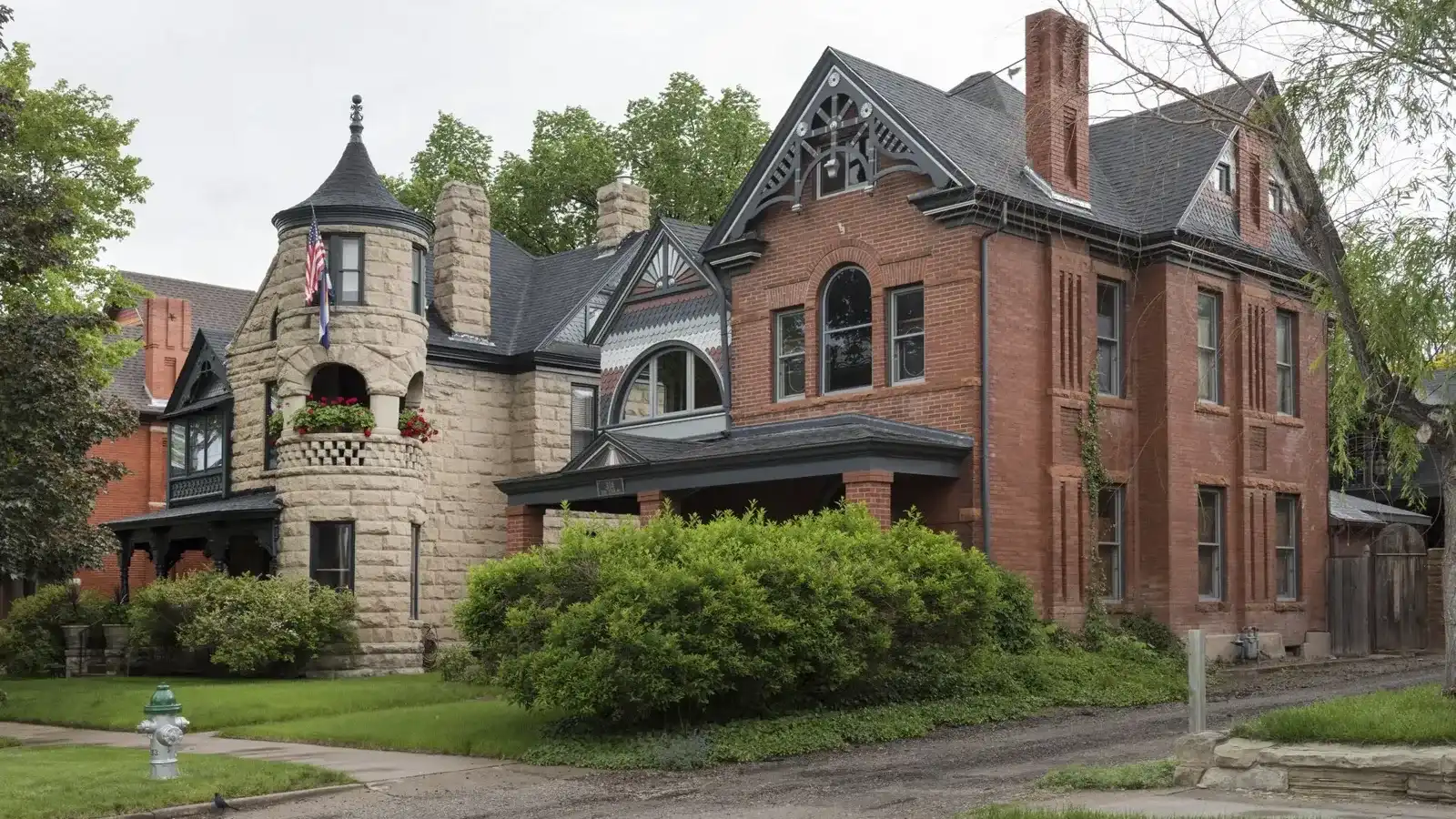
You can sell a historic Sarasota house as-is; the City reviews later work on it, not the sale itself.
The City's Historic Preservation Program lists about 180 locally designated buildings, and changing one needs a Certificate of Appropriateness from the Historic Preservation Board. An eligible Florida Master Site File house gets no demolition permit until the Board finds mitigation has been done.
This is general information, not legal advice. State rules vary.
Jump to a section
Do you know which historic list your Sarasota house is on?
Free. No obligation. You choose the closing date.
You can sell a historic house in Sarasota as-is, and the City does not list the sale itself as something it reviews. What it reviews is work. The City's Historic Preservation Program page says the City "maintains a listing of approximately 180 locally designated buildings." Changing one of them requires a Certificate of Appropriateness (COA) application, heard by the Historic Preservation Board (City of Sarasota, November 2026).
A wider group of older houses sits on the Florida Master Site File. When someone applies to demolish one, the City runs a historic review first. If the house is eligible for designation, no demolition permit issues until the Board finds mitigation has been done. Those rules ride with the house to the buyer, which shapes who buys and what they can do next.
Which historic list is your Sarasota house on?
An older Sarasota house can sit on one of three lists, or on none. They are the City's local designation list, the state's Florida Master Site File, and the National Register of Historic Places. Each list sets different rules for the next owner, so the list matters more than the age of the house.
The City's program page links all three. It posts a PDF of locally designated properties, a PDF of National Register listings, and a map of Master Site File properties within the city. These are City of Sarasota rules, so they apply inside the city limits. A house with a Sarasota mailing address in unincorporated county land follows Sarasota County rules instead.
Local designation vs FMSF listing vs National Register: what each means for a seller and a buyer
| List | Who keeps it | What the next owner faces | Source |
|---|---|---|---|
| Local designation (about 180 buildings) | City of Sarasota, by ordinance after hearings before the Board and the City Commission | A Building, Moving, or Demolition COA before exterior work, relocation, or demolition | City program page |
| Florida Master Site File (FMSF) | The State of Florida's statewide list of historic and archaeological sites | A historic review if someone applies to demolish; an eligible house waits on the Board | FMSF demolition package |
| National Register of Historic Places | The National Park Service | No federal restrictions on a private owner's work unless the project gets federal help; local rules still apply | NPS FAQ |
One house can appear on more than one list. A locally designated house inside a National Register district still needs a COA for exterior work, because the local review is tied to City permits.
What can a buyer change on a designated house?
A buyer can change a locally designated Sarasota house, but exterior work goes through a Certificate of Appropriateness first. The City says changes are "subject to Secretary of Interior Standards," the federal rehabilitation guidelines.
Three COA forms
The program page lists three separate COA packages:
- Building COA: exterior changes to a designated structure, filed whenever a building permit is filed.
- Moving COA: relocating a designated structure to a new site.
- Demolition COA: a request to demolish a designated structure.
The City's designation handout describes the trigger. Building permit applications that affect the exterior or the site are referred to the Planning Department or the Board for a COA.
How a hearing runs
Each application is filed with the Office of the City Auditor and Clerk and reviewed by staff before the hearing. The City's Building COA package says applications are due 21 days before the meeting, and the Board normally meets on the second Tuesday of each month. The Board holds a quasi-judicial public hearing, and the applicant or an agent must attend. It may grant, grant with conditions, or deny.
For a seller, that schedule belongs to the buyer. A buyer who wants a new roofline or larger windows plans around it, and some buyers prefer a house whose plans fit the existing shell.
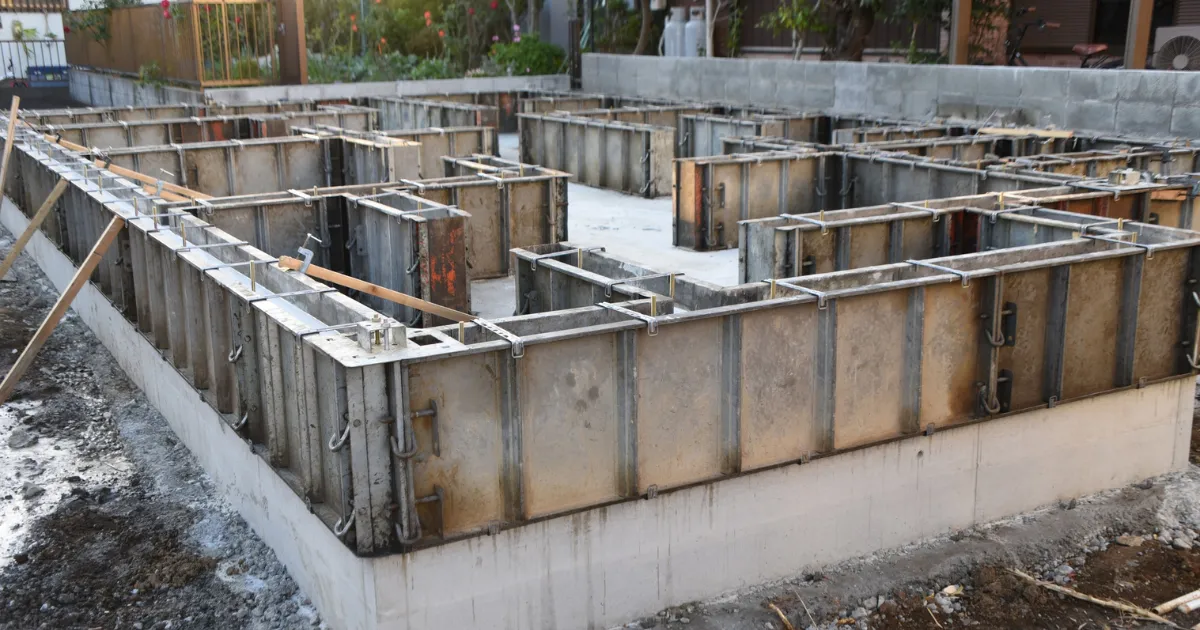
How does demolition review work in Sarasota?
Demolition of a historic Sarasota house runs on one of two tracks. A locally designated house needs a Demolition COA, and a Master Site File house gets a historic review. Both can end with a Board decision before any permit issues.
A locally designated house
The City's October 2025 Demolition COA package lists $2,652.15 due at submission (City of Sarasota, October 2025). That total is a $1,152.15 non-refundable fee plus a $1,500.00 escrow for legal and advertising costs. Applications are due 30 days before the Board meeting. After the hearing, the Board may grant, deny, or grant with conditions, "including a stay of demolition up to one year."
A Master Site File house
When an application to demolish an FMSF structure comes in, staff checks whether it contributes to a historic district or is eligible for designation. Staff also looks for viable alternatives. A house found non-contributing or ineligible may be issued a demolition permit by the Planning Director. A house eligible for the National Register, for City designation, or as a contributing building gets the other outcome:
"FMSF structures that are eligible ... will not be issued a demolition permit until the Historic Preservation Board finds appropriate mitigation measures have been undertaken."
City of Sarasota, Historic Preservation Program page
The FMSF package lists $315.69 for an administrative review and $864.11 for a Board review, filed 21 days before the meeting. It also describes a staff waiver of Board review in two cases. One is a finding that alterations have ended the house's eligibility. The other is a Florida licensed structural engineer's statement that the building is "beyond reasonable restoration measures to repair."
- Step 1Building permit for demolition filed with Development Services, then referred to historic staff
- Step 2FMSF demolition application filed with the City Auditor and Clerk
- Step 3Staff historic review: non-contributing or ineligible houses may be approved by staff ($315.69)
- Step 4Eligible or contributing houses go to the Board ($864.11), filed 21 days before the meeting
- Step 5The Board grants, grants with conditions, or denies; approval goes to permitting staff
Newtown, Laurel Park, and the mid-century houses
Three groups of older Sarasota houses carry different kinds of listing, so each can face different rules. The words "historic district" alone do not say which review applies.
Newtown
On April 19, 2024, the Newtown Conservation Historic District "was officially listed in the National Register of Historic Places," per the City's Newtown district page. That page's FAQ says the National Register "does not in any way limit an owner's handling of the property." It also says an owner must still follow local land use rules when filing a City building permit.
The National Park Service FAQ agrees. Federal listing places no restrictions on a non-federal owner, "up to and including destruction," unless the project receives federal help such as funding or permits (National Park Service, November 2026). A Newtown house that is also locally designated or on the FMSF carries those City reviews too.
Laurel Park
The Laurel Park association site points to "45 homes and structures in Laurel Park with City or National historic register designation." An old street address there does not mean a house is designated. The City's lists show which ones are.
Sarasota School and mid-century houses
The City says houses considered for designation should be more than 50 years old. It has encouraged structures tied to the Sarasota School of Architecture that are younger than 50 to apply. Eligibility follows Zoning Code Section IV, Division 8. The City's handout says designation applications must be submitted by the owner. It also says the Board cannot act on its own proposal when the owner returns a formal objection.

What happens to a historic tax exemption at sale?
A Sarasota historic tax exemption can stay with the house after a sale, along with the duty to maintain it. The Newtown page describes a City and County exemption, under City Ordinance No. 18-5262, on the tax increase from qualifying improvements to designated houses, for up to ten years.
State law sets the frame. Under Fla. Stat. § 196.1997(5), an exemption lasts up to 10 years "regardless of ... any change in ownership." To keep it, the historic character and the qualifying improvements must be maintained.
Fla. Stat. § 196.1997(7) requires the owner to sign a covenant for the exemption's term. It is "binding on the current property owner, transferees, and their heirs." A violation means paying back the taxes the exemption saved, plus interest. A buyer will want a copy of any covenant on the house.
If you are not sure whether a past owner signed one, the Planning Department's historic preservation staff at (941) 263-6585 is listed on the program page. A Florida attorney or tax professional can explain what a covenant means for your sale.
Repairs, the 50% rule, and the flood form
Designation can change which building rules apply to repairs, and the City says so in general terms. Its Local Historic Designation handout states that locally designated properties "may not be required to meet mandatory building Code standards including the FEMA 50% rule and modern hurricane requirements." It adds that the Florida Building Code holds the specific language.
That matters in Sarasota. The City's flood outreach page defines a substantial improvement as work that equals or exceeds 50% of the structure's market value. Such buildings "must meet the same construction requirements as new buildings." The handout does not say any one house qualifies, so the City's building staff is the place to ask. Our guide to selling a Sarasota house after Helene and Milton covers the 50% rule in more depth.
Every seller of a Florida house also gives the buyer a flood disclosure. Fla. Stat. § 689.302 requires it "at or before the time the sales contract is executed." It covers flood damage during your ownership, flood insurance claims, and flood assistance, including from FEMA.
What to gather before you sell
A short file on the house's historic status helps any buyer price the work ahead. Most of it comes from City pages and your own records:
- Which list the house is on, from the City's designation PDF, National Register PDF, or FMSF map.
- The designation ordinance, if the house is locally designated.
- Any COA the City issued for past work, and the permits that went with it.
- Any tax exemption covenant signed under § 196.1997.
- Flood history for the § 689.302 form.
Heirs settling an estate often find these papers in a parent's files. Our guide to selling an inherited house in Sarasota covers who can sign the deed. If the house needs work nobody plans to fund, the major repairs page explains how an as-is sale works.
How can Propcash help with a historic Sarasota house?
Propcash is a direct cash homebuyer, and we buy houses as-is, including designated and Master Site File houses. There are no repairs, no showings, and no fees or commissions. Cash sales can close in as few as 7 days after the contract is signed, or you pick a later date.
Our offer is based on local market data, and we show you how we got to our number. It doesn't expire, so you can compare it with listing for a buyer who wants to restore the house. If a cash sale isn't your best move, we'll tell you. You can get a cash offer or read more about selling a Sarasota house fast.
Frequently Asked Questions
Does the City of Sarasota have to approve the sale of a designated house?
No City page read for this guide lists a sale or a deed transfer as something that needs a Certificate of Appropriateness. The City's COA forms cover exterior changes, moving a designated structure, and demolition. What carries over is the designation itself, so the next owner files a COA before that kind of work.
Do Sarasota historic rules apply to a house with a Sarasota mailing address outside the city?
The City's Historic Preservation Program covers structures and sites within the City limits. Much of the area with a Sarasota mailing address is unincorporated Sarasota County, and a house there follows Sarasota County rules instead. The City's map of Florida Master Site File properties within the city is one way to start checking.
Can a mid-century Sarasota School house be designated before it turns 50?
Yes, it can be considered. The City says houses considered for designation should be more than 50 years old, but it has encouraged Sarasota School of Architecture structures younger than 50 to apply. The City's handout says designation applications must be submitted by the owner.
Can the Historic Preservation Board designate a house over the owner's objection?
The City's Local Historic Designation handout says the Zoning Code lets the Historic Preservation Board propose a designation. It also says the Code prohibits Board action when the owner returns a formal statement of objection. A Florida attorney can explain how that applies to a particular house.
What does a demolition COA cost for a locally designated Sarasota house?
The City's October 2025 demolition COA package lists $2,652.15 due at submission. That includes a $1,152.15 non-refundable fee and a $1,500.00 escrow for legal and advertising costs. A Master Site File demolition review is a separate application with its own fees.
Can a historic Sarasota house be sold as-is for cash?
Yes. A designated or Master Site File house can change hands as-is, and the City review steps apply to the work a new owner chooses to do afterward. Propcash buys houses as-is, and the seller picks the closing date.
Reviewed by the Propcash Editorial Team under our editorial standards. Published by Propcash, a direct cash buyer of houses. This guide is general information. Laws, fees, and market figures change, so check the current rules for your state.
See what we'd pay for your house
Sell as-is. No repairs, no showings. Close in as few as 7 days.
Own an older Sarasota house? Sell it as-is, designation and all. No repairs, no showings, and you pick the closing date.
Showing ·
Free. No obligation.
Enter your address to see values near you
