

Yes, you can sell a Port St. Lucie house with a code or building lien, but the lien stays on the land until the City releases it.
The City's Lien Services page lists building liens for an "AC change out without a permit or porch addition with electricity but no electric permit." It also warns that a City lien search "will not show cross-attaching liens" under Chapter 162.
This is general information, not legal advice. State rules vary.
Jump to a section
Where does your Port St. Lucie code issue stand?
Free. No obligation. You choose the closing date.
You can sell a house with code liens in Port St. Lucie, and the lien can be paid from the proceeds at closing. The harder part is knowing every lien that is there. The City's Lien Services page lists "building liens" for work done without permits, such as an "AC change out without a permit or porch addition with electricity but no electric permit." The same page warns that a City lien search "will not show cross-attaching liens" under Chapter 162.
This guide covers the City of Port St. Lucie only. It walks through each lien type, what a Port St. Lucie lien search can and cannot show, how high fines can climb, and the three usual paths: fix first, pay at closing, or sell as-is. For a decision about your own case, a Florida real estate attorney or your title company is the right call.
Can you sell a Port St. Lucie house with a code lien?
Yes. A code lien does not block a sale, but it stays attached to the land until the City signs a satisfaction or release, so it is usually paid or settled at closing.
Under Fla. Stat. 162.09(3), a recorded order imposing a fine "shall constitute a lien against the land on which the violation exists." The same subsection lets the local government execute a satisfaction or release, which is the document that clears the lien from the title.
The City set up one office for this in 2017. Its Lien Services Division answers questions on City liens, including payoff amounts and modification requests, and it provides "a written document for banks and realtors." Sellers who once had to call Legal, Building, Finance, and Code Compliance separately now have one point of contact at 772-344-4179.
Inside or outside the city limits
Everything in this guide applies to houses inside the City of Port St. Lucie. A house outside the city limits, in unincorporated St. Lucie County, is not a City code case, so confirm that your address is inside the city limits before relying on these City rules.
What kinds of City liens can sit on a Port St. Lucie house?
The City's Lien Services page names at least ten lien types, from code and building liens to utility and solid waste liens. Each comes from a different department, so each has its own trigger.
The table below sorts the types that most often touch a house, based on the City's own descriptions. The last column is a general pattern, not a rule; the payoff letter and your title company decide what happens in your sale.
| Lien type | What triggers it (City description) | Where it shows up | Typical path at closing |
|---|---|---|---|
| Code lien | Blighting and maintenance issues: high grass and weeds, open storage, inoperative vehicles, mold or mildew | City "Search All Liens" | Payoff from proceeds, or a modification request once the violation is corrected |
| Building lien | Work done without proper permits, such as an AC change-out with no permit or a porch with electricity but no electric permit | City "Search All Liens"; check "Search Open Permits" too | Payoff from proceeds; the unpermitted work may still need to be resolved with the Building Department |
| Contractor's license lien | Contracting work done without a contractor's license, such as installing AC systems without an AC license | City "Search All Liens" | Payoff from proceeds |
| Nuisance abatement lien | An immediate threat to life, limb, health, welfare, or property, such as a dilapidated roof or a falling pool enclosure | City "Search All Liens" | Payoff from proceeds |
| Vacant Property Registration lien | Blighting, maintenance, and improper registration of vacant houses; mortgagees must register after a lis pendens or foreclosure filing | City "Search All Liens" | Payoff from proceeds |
| Utility usage lien | Unpaid water, wastewater, and reclaimed water usage charges | Not in the online search (it excludes Utility Systems); free by phone from Lien Services | Payoff from proceeds |
| Utility capital charge lien | A water or sewer connection financed through a 10-year interest-free loan | Not in the online search; free by phone from Lien Services | Payoff, or the City's subordination and assumption application |
| Solid waste lien | The City's cost to correct violations of its curbside collection rules | City "Search All Liens" | Payoff from proceeds |
| Cross-attaching Chapter 162 lien | A recorded fine order against the same owner at another address | Not in the City search; St. Lucie County Official Records | Handled with the government that recorded it |
Sources: City of Port St. Lucie Lien Services (read November 13, 2026) and Fla. Stat. 162.09(3). The City also lists community services liens from its SHIP and NSP buyer programs and vacant lot clearing liens.
A utility capital charge lien comes from a City water or sewer connection, including a septic-to-sewer conversion. Our guide to selling a Port St. Lucie house on a septic tank covers that lien and the assumption option in detail.
How does unpermitted work turn into a building lien?
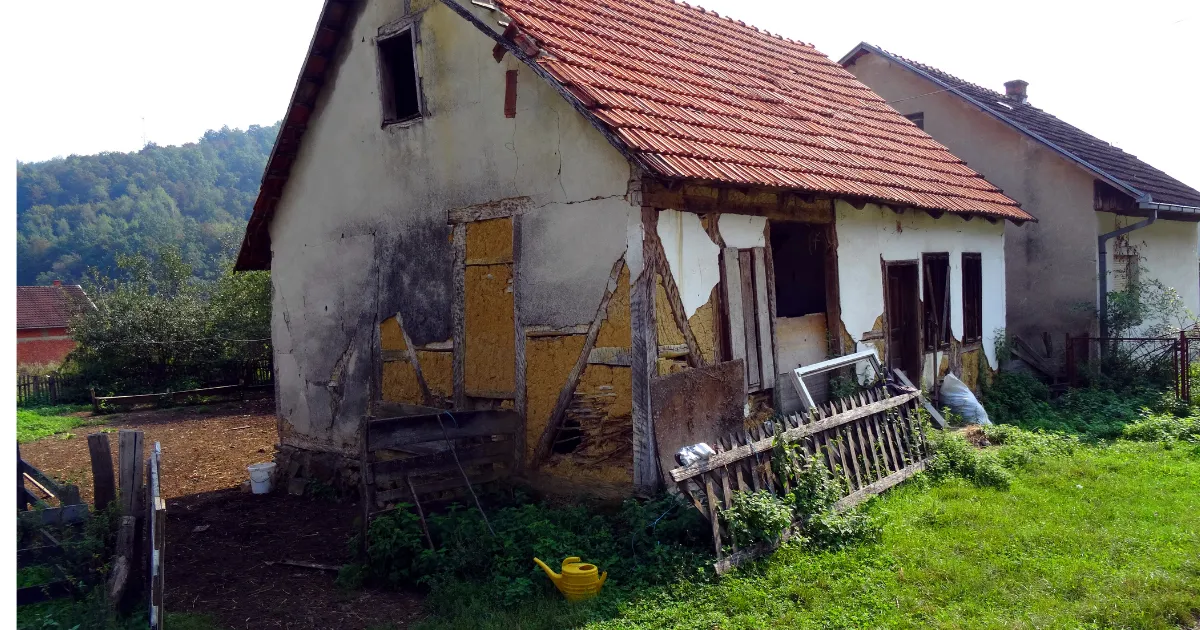
A building lien starts with work that needed a permit and did not get one. The City's own examples are a replaced AC system with no permit and a porch addition wired without an electric permit.
The owner who sells is not always the owner who did the work. The City says it imposes its liens on properties, so a lien tied to a prior owner's job can still be there when you sell.
The AC change-out
An AC replacement can raise two separate problems. The missing permit can lead to a building lien. If the installer had no AC license, the City also lists a contractor's license lien for "contracting work done without a contractor's license."
The City's Building Compliance Division says a valid permit should be posted at the job site before work begins. It also says you can verify permit status by calling the Building Department at 772-871-5132.
Open permits are a separate search
Open permits are not on the City's list of lien types. Lien Services links a separate "Search Open Permits" tool next to its lien search. Running both before you list can show whether an old job was never closed out.
What can a Port St. Lucie lien search miss?
A City lien search can miss utility liens, which the online search excludes, and liens recorded against the owner at another address. The City says so on its own page.
"City of Port St. Lucie records may not have all liens or assessments on a property. A lien search will not show cross-attaching liens that encumber a property under Chapter 162, Florida Statutes."
Lien Services, the City of Port St. Lucie Finance Department's lien page
Why a lien from another house can reach this one
Under Fla. Stat. 162.09(3), a recorded fine order is a lien on the land where the violation exists "and upon any other real or personal property owned by the violator." A landlord or an heir who owns a second house in another Florida city could carry a lien from that city onto a Port St. Lucie title. The City says its own search will not show those liens.
Where recorded liens are found
The St. Lucie County Clerk's Recording Department says Official Records "consist of liens, plats, certificates of title, mortgages, lis pendens," and more, with documents from 1980 available online. Lien Services points sellers to those county records for "all recorded liens."
Fees and timing
Lien searches are requested through the City's Lien Management Portal. The page lists a "$160 non-refundable rush fee" for rush service and says lien search fees are not refundable. Card payments carry a 2.35% service fee, and e-checks carry a $0.40 flat fee.
How large can a Port St. Lucie code fine grow?
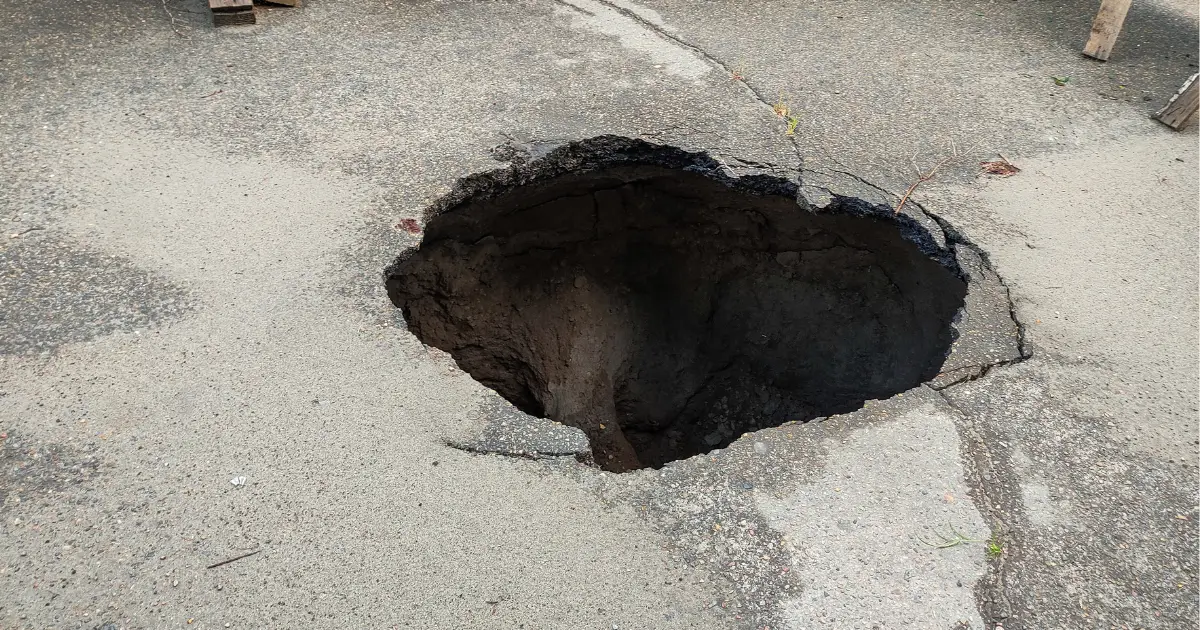
Inside the city, a code fine can reach $1,000 a day for a first violation and $5,000 a day for a repeat violation, and it can keep running until the violation is corrected.
Florida's default caps are lower. Under Fla. Stat. 162.09(2)(d), a city with 50,000 or more people may adopt higher limits by ordinance, up to those same daily amounts and "up to $15,000 per violation" if the violation is irreparable. Port St. Lucie adopted those limits in City Code Sec. 37.09.
The Special Magistrate, an attorney or retired judge appointed by City Council, hears these cases. The City says the Magistrate can rule on violations, assess fines, and place liens. Severe hazards can lead to public nuisance proceedings, with the City correcting the issue at the owner's expense.
- CitationA Code Compliance Specialist cites the owner and allows a reasonable time to correct
- HearingThe case goes to the Special Magistrate if it is not corrected
- Daily finesFines may run each day until the house comes into compliance
- Recorded orderThe fine order becomes a lien on the land and the owner's other property
- After 3 monthsAn unpaid lien may be foreclosed, but not on a homestead
- Up to 20 yearsThe lien's maximum life unless an action is started
The homestead limit
After 3 months, the City may be authorized to foreclose an unpaid lien, but not on a homestead. Fla. Stat. 162.09(3) adds that "No lien created pursuant to the provisions of this part may be foreclosed on real property which is a homestead." The lien can still sit on the title, so it may need to be paid or released when the house is sold.
How long the lien lasts
Under Fla. Stat. 162.10, a code lien can last up to 20 years after the fine order is recorded, unless an action on it is started in that time. An old case from a prior owner can still be live.
What do you owe a buyer while the code case is open?
If you sell after the first pleading is served but before the hearing, Florida law requires three disclosure steps before the transfer and a notice to the code official within 5 days after it.
Under Fla. Stat. 162.06(5), the seller owes:
- A written disclosure of the existence and nature of the proceeding.
- Copies of the pleadings, notices, and other case materials, delivered to the buyer.
- A written disclosure that the new owner will be responsible for compliance.
- A notice of the transfer filed with the code enforcement official within 5 days after it.
Skipping the first three "creates a rebuttable presumption of fraud." The case is not dismissed by the sale; the new owner gets a reasonable period to correct the violation before the hearing. A Florida real estate attorney can say how this applies to your timing.
Fix and ask for a reduction, or sell as-is with a payoff?
A Port St. Lucie seller with a lien usually has three paths: correct the violation and apply to reduce the lien, sell and pay the lien from the proceeds, or sell as-is to a buyer who takes on the correction.
Correct first, then apply for a reduction
The Special Magistrate page says that once all code violations are corrected, owners "may apply for a Modification or Partial Release of a Lien under certain conditions." Under City Code Sec. 37.12, a lien reduction hearing requires that the violations "have been corrected and not been repeated." It also requires "a non-refundable application fee of $350.00."
A reduction is a request, not a promise. The fine can stay as it is. Correcting also takes cash and time, and for an unpermitted porch or AC job it may mean permits and inspections before the request is filed.
Pay the lien from the proceeds
Lien Services gives payoff amounts, and payment can be made by phone, in person, or by mail. At closing, the payoff can come out of your proceeds, and the City can then execute a release. This path avoids paying up front, but the full balance comes off your net.
Sell as-is to a buyer who takes on the work
Some buyers will take a house with an open case or unpermitted work and handle the correction after closing. A recorded lien still needs a plan, either a payoff at closing or a release. The open question is which side pays for the repairs, and how that shows up in the price. If the house also has drainage or culvert issues, our guide to Port St. Lucie swale and drainage problems covers those.
After a lis pendens or foreclosure filing, the mortgagee must register a vacant house with the City, and a Vacant Property Registration lien can follow blight or improper registration. Our guide to selling before the St. Lucie County foreclosure sale walks through that timeline.
How can Propcash help with a Port St. Lucie code or building lien?
Propcash is a direct cash homebuyer, and we buy houses as-is, including houses with open code cases, unpermitted work, or a recorded City lien. You do not have to fix the porch, permit the AC, or clear the yard first.
We make one cash offer based on local market data and show you how we got to our number, and you pick the closing date, which can be as few as 7 days after the contract is signed. A Propcash offer is one option to compare against fixing first or listing with an agent. If a cash sale is not your best move, we will tell you. You can get a no-obligation cash offer, or read more about how we buy on our Port St. Lucie cash buyer page and our page on selling a house with code violations.
Frequently Asked Questions
Does a Port St. Lucie code lien go away when the house changes hands?
Not by itself. Under Fla. Stat. 162.09(3), a recorded order imposing a fine is a lien against the land, and the local government is the party that may execute a satisfaction or release. In a sale, the lien can be paid from the proceeds or settled with the City before closing so a release can be recorded.
Can the City foreclose a code lien on the house I live in?
Florida law says no lien created under the code enforcement chapter may be foreclosed on real property that is a homestead under the Florida Constitution (Fla. Stat. 162.09(3)). The lien can still sit on the title, so it usually has to be dealt with when the house is sold. A Florida real estate attorney can confirm whether a particular house qualifies as homestead.
Will the City lien search show a code lien from another house I own?
It may not. The City's Lien Services page warns that its lien search will not show cross-attaching liens that encumber a property under Chapter 162, Florida Statutes. Because a recorded fine order also attaches to the violator's other real and personal property, a lien from another address can reach a Port St. Lucie house, so the St. Lucie County Official Records are worth checking too.
Does correcting the violation stop a Port St. Lucie fine from growing?
Under Fla. Stat. 162.09(3), a fine continues to accrue until the violator comes into compliance or until a judgment is entered in a suit on the lien, whichever comes first. Short of a judgment, coming into compliance is what stops the daily accrual. It does not erase the amount already owed, which stays on the lien until it is paid, reduced, or released.
How long does a code enforcement lien last in Florida?
A code enforcement lien cannot last longer than 20 years after the certified copy of the fine order is recorded, unless an action to foreclose or collect is started in that time (Fla. Stat. 162.10). A lien recorded years ago, even during a prior owner's time, can still be on the title. The amount and status come from the City's Lien Services Division.
What if my Port St. Lucie mailing address is outside the city limits?
The City's Lien Services and Special Magistrate handle City of Port St. Lucie cases, so a house outside the city limits, in unincorporated St. Lucie County, is not one of them. A title company or the County can confirm which government has jurisdiction over a specific address.
Reviewed by the Propcash Editorial Team under our editorial standards. Published by Propcash, a direct cash buyer of houses. This guide is general information. Laws, fees, and market figures change, so check the current rules for your state.