

You can repair, demolish, or sell as-is; a Columbus demolition notice gives the owner 45 days to act.
After that, City Council votes on the demolition at the second reading of an ordinance. If the City demolishes the house, its process chart shows a lien placed on it.
This is general information, not legal advice. State rules vary.
Jump to a section
Has the City of Columbus sent you a notice about your house?
Free. No obligation. You choose the closing date.
To sell a condemned house in Columbus, Georgia, you can repair it and list it, demolish it and sell the lot, or sell it as-is to a buyer who takes on the City's case. The clock comes from the City. If an owner does not give "sufficient reason" at the demolition hearing, the City's Demolition page says a "Notice to Demolish and Remove" goes out by certified mail with 45 days to repair or demolish.
After that, an ordinance goes to City Council, and Council votes on the demolition at its second reading. This guide follows that process step by step, using the City's own pages and its Demolition Process Flow. At each step, it shows what an owner can still do.
How does the Columbus demolition process work?
The Columbus demolition process runs from a complaint and an inspection, through a hearing and a 45-day notice, to two readings of an ordinance at City Council. Columbus Consolidated Government's Inspections and Code department handles it.
The department describes its job as "the demolition of substandard housing that are dilapidated and have been abandoned." It also calls this "a very sensitive process." The City says it takes "all due actions of contacting the owner" before a demolition goes ahead.
The turning point is the demolition hearing. An owner who shows good reason there may avoid the next step. An owner who does not receives the notice the whole process turns on:
"The 'Notice To Demolish and Remove' gives the owner forty-five (45) days in which to repair or to demolish the structure."
City of Columbus, Inspections and Code Demolition page
The City's two sources describe the delivery a little differently. The Demolition page says the notice goes by certified mail. The Demolition Process Flow shows a "45 Day letter" handed to the owner at a meeting with the Inspections and Code office. Either way, the 45 days are the window the City gives the owner to act.
What can a seller still do at each step?
A seller can still repair, demolish, or sell at every step before the City demolishes the house, and can sell the lot after. The table follows the City's Demolition Process Flow and Demolition page in order.
| City step | What the City's sources say | What a seller can still do |
|---|---|---|
| 1. Complaint and inspection | A complaint is called in, and a Property Maintenance Inspector is sent to the site within 3-5 days (Demolition Process Flow). | You can ask the inspector what failed, start repairs, gather repair quotes, or ask for cash offers. |
| 2. The 50% test | "If property fails the 50% test," a demolition case is created (Demolition Process Flow). | You can ask the office how the test was applied and compare repair quotes with the house's value. |
| 3. Hearing notice and meeting | The owner gets a Demo Hearing Notice and meets with the Inspections and Code office (Demolition Process Flow). | Attend and explain your plan. A Georgia attorney can come with you or review the notice first. |
| 4. Notice to Demolish and Remove | 45 days "to repair or to demolish the structure" (Demolition page). | Repair, demolish under your own permit ($75 for a house, fee schedule effective July 1, 2024), or sell. |
| 5. Return visit | The inspector returns and contacts a City vendor for pricing. "If no work done or no contact with owner," the house becomes eligible for demolition (Demolition Process Flow). | Stay in contact with the office. Show work under way, or tell the office about a pending sale. |
| 6. Public notice and Council readings | Public notice to interested parties, a first reading of the ordinance, then a Council vote at the second reading (Demolition page and Process Flow). | It can help to call the office and a Georgia attorney right away to ask what is still possible. |
| 7. Demolition and lien | The house is demolished and a lien is placed on it (Demolition Process Flow). | Sell the lot. A Georgia closing attorney can explain how the lien is handled at closing. |
The flow chart does not list a number of days between each step after the 45-day letter. For dates in your own case, the Inspections and Code office is the source to ask.
How does a Columbus GA demolition case start?
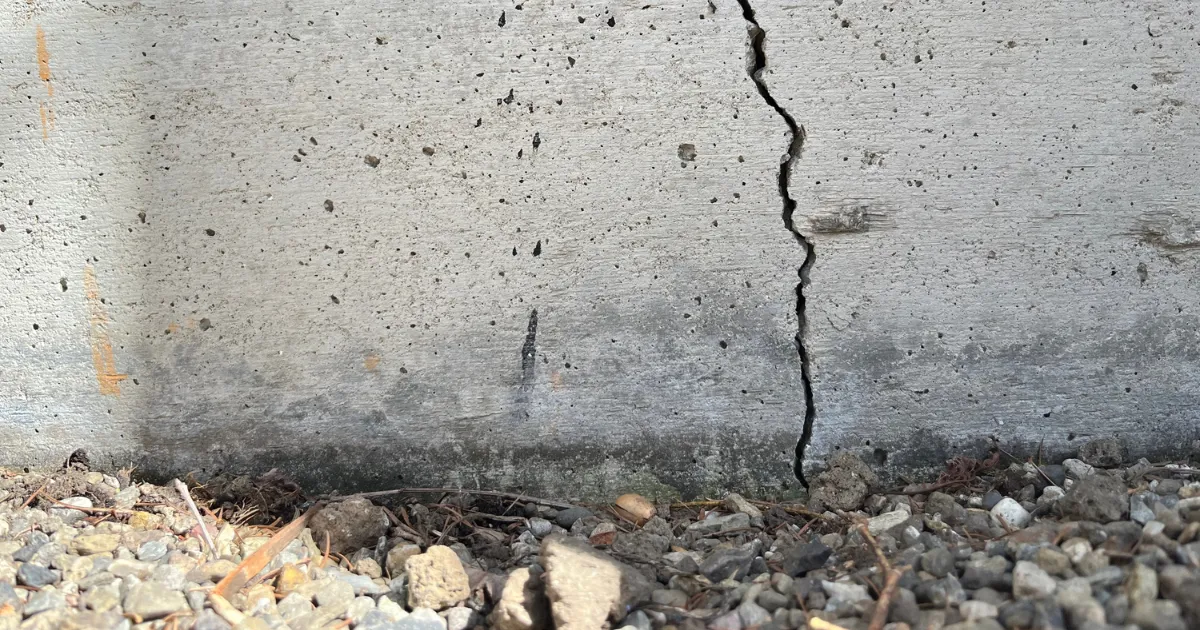
A Columbus demolition case starts with a complaint to Inspections and Code and a visit from a Property Maintenance Inspector. The house becomes a demolition case only if it fails what the City's flow chart calls "the 50% test."
The property maintenance standard
The City's Property Maintenance page says inspectors compare a house with the International Property Maintenance Code. The page states the goal as minimum standards for dwellings that are "safe, sanitary and fit for human habitation." Where a house falls short, the City begins action to bring it up to standard.
That means a code case does not always end in a demolition. A house can stay a maintenance case while the owner makes repairs. The demolition track begins when the inspector finds the house fails the 50% test. The flow chart names that test but does not define it, so ask the office how it was applied to your house.
Who can report a house
Neighbors can start a case. The Demolition page asks anyone with "a house in your neighborhood that is vacant or abandoned" to call the Citizen Service Center at 311 or the Inspections and Code office. Tenants can report rental conditions to the office too, according to the Property Maintenance page.
How can you find out where a case stands?
You can call or visit the Inspections and Code office, and you can view the City's map of current code cases. Both are listed on the department's own pages.
- Office: 1111 1st Avenue, 3rd Floor, Columbus, GA 31901
- Phone: (706) 225-4126
- Email: inspections@columbusga.org
- Hours: 8:00 AM to 5:00 PM, Monday through Friday
The Demolition page links a dashboard map of "all the current Demolition, Property Maintenance and Special Enforcement cases" the department is working on. It can help to look there for your address. A call to the office confirms the step your case is on and the date that matters next.
When you call, it can help to have these ready:
- The address and the case number on any notice
- The date on the most recent letter
- Your plan: repair, demolish, or sell
If you plan to take the house down yourself, the City's permit fee schedule lists $75 for demolishing a residential building or structure, effective July 1, 2024. If the house sits in one of the City's historic districts, read our guide to selling a house in a Columbus historic district before planning any demolition.
What does Georgia law say about demolition liens?
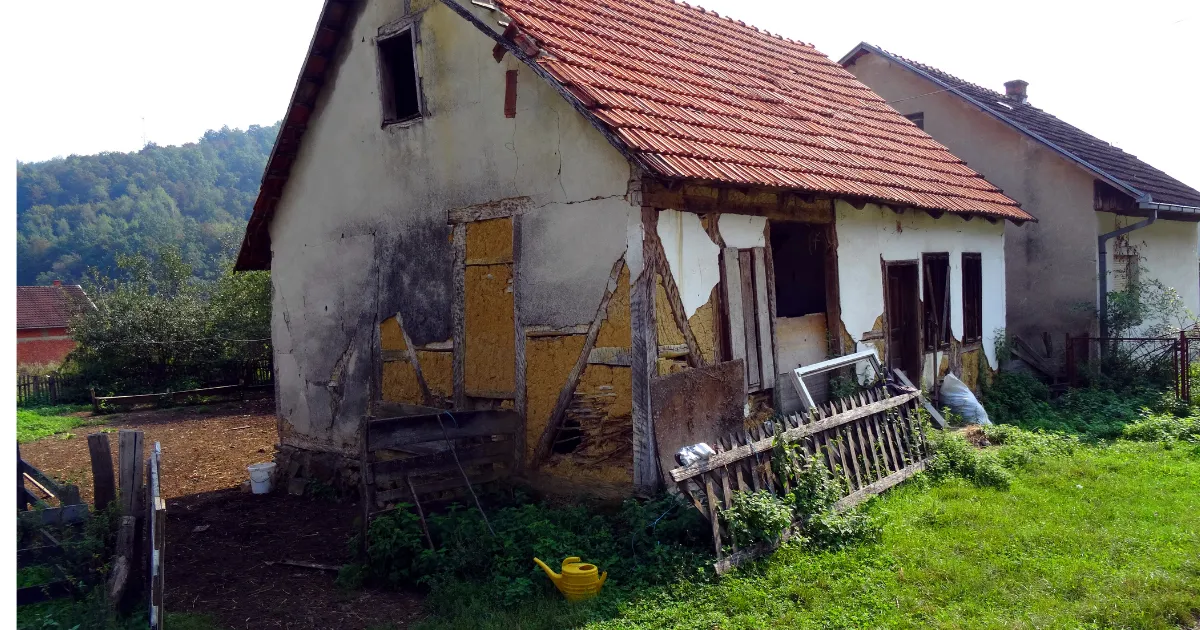
Georgia law lets a city or county demolish an unsafe building and make the cost a lien on the land, ahead of every other lien except taxes. That comes from the state's unsafe-building statutes, which start at O.C.G.A. 41-2-7.
The starting point is O.C.G.A. 41-2-7. It gives a county or city "power ... to exercise its police power to repair, close, or demolish" buildings that are unfit for use. The procedures that follow set out how a local government uses that power.
O.C.G.A. 41-2-9 covers the order and the cost. A court orders repair if it "can be made at a reasonable cost in relation to the present value" of the building, and demolition if not. The cost of the work "shall be a lien against the real property." The statute adds that the lien is "superior to all other liens on the property, except liens for taxes."
O.C.G.A. 41-2-12 covers notice under those procedures. The complaint goes by certified mail to interested parties at least 14 days before the hearing. It is also posted on the property. A notice of lis pendens, a public record that a case is pending, is filed with the clerk of superior court.
The City's process for your house comes from its own ordinance and the notices you receive. The state statute and the City's process are not identical. A Georgia attorney can read your notice and tell you which rules apply and what they mean for a sale.
How can you sell a condemned house in Columbus, Georgia?
You can sell a condemned house in Columbus, Georgia three main ways: repair and list it, demolish it and sell the lot, or sell it as-is to a buyer who takes on the work. Which one fits depends on time, money, and what the City's notice requires.
House values set the scale for that choice. The Zillow Home Value Index put the typical value of houses in the City of Columbus at $175,906 in September 2026, up 3.1% in a year. Repair quotes that run close to a house's value can change which path makes sense.
| Option | What you handle | How it fits the City's clock |
|---|---|---|
| Repair, then list with an agent | Permits, contractors, inspections, then showings | Repairs have to fit inside the 45 days, or you need the office to see progress |
| Demolish, then sell the lot | A $75 permit, a demolition contractor, the cleared lot | Demolition by the owner is one of the two choices the notice names |
| Sell as-is to a cash buyer | Paperwork, your notices, and the closing | The buyer takes on the repair or demolition decision after closing |
| Sell to a buyer who will rebuild | Finding that buyer and agreeing on terms | Works when the buyer can close before the City's next step |
Repair and list
Repairing first may support a higher list price, but it asks the most of the owner. The City's notice allows repair as one of its two choices. The work has to satisfy the office, and listing comes after. Our guide to selling a house with code violations covers what that work can involve.
Sell as-is
An as-is sale moves the City's list of repairs to the buyer. As-is means as-is: no repairs, no cleanout, no staging. A cash buyer does not need a lender's appraisal, which can matter for a house a lender may not finance.
What to tell a buyer
Share the City's notices and letters with any buyer, and answer their questions truthfully. A buyer who sees the case file can plan for the next step. Your Georgia attorney can tell you what else you need to disclose.
What changes when the house is vacant?
A vacant house is easier for neighbors to report and harder for an owner to watch. The City's Demolition page invites residents to report a vacant or abandoned house by calling 311.
Empty houses also come with their own costs. Utilities, lawn care, and boarding up windows continue while no one lives there. Insurance can change too. It can help to ask your insurer what your policy covers while the house is empty, and to get the answer in writing.
Some vacant houses come to their owners through an estate. If yours did, our guide to selling an inherited house in Columbus, Georgia covers the Muscogee County Probate Court side. For more on empty houses in general, see our page on selling a vacant house.
How can Propcash help with a condemned or vacant house?
Propcash can buy your Columbus house as-is, City notice and all, as a direct cash homebuyer. We'll make you one cash offer based on local market data.
We'll show you how we got to our number. There are no fees or commissions, and you pick the closing date, which can be as few as 7 days after the contract is signed.
A cash offer is one more option to set beside repairing, demolishing, or listing. If a cash sale is not your best move, we will tell you. You can get a cash offer for your Columbus house or see how we work on our Columbus, Georgia sell-house-fast page. Our offer stands while you talk it over with your attorney.
Frequently Asked Questions
Does the City of Columbus contact the owner before it demolishes a house?
The City of Columbus says it takes "all due actions of contacting the owner" before a demolition proceeds. Its Demolition page describes a demolition hearing, a Notice to Demolish and Remove sent by certified mail, and two readings of an ordinance at City Council. The Demolition Process Flow also lists a public notice to interested parties before the first Council hearing.
Who pays when the City demolishes a house in Columbus, Georgia?
The City's Demolition Process Flow ends with the house demolished and a lien placed on it, so the cost follows the land. Georgia's unsafe-building statute, O.C.G.A. 41-2-9, says that kind of lien is superior to all other liens except liens for taxes. A Georgia attorney can explain how a lien like this is handled when the lot is sold.
How much is a demolition permit in Columbus, Georgia?
A permit to demolish a residential building or structure in Columbus, Georgia costs $75, according to the Inspections and Code Schedule of Permit Fees effective July 1, 2024. That is the permit fee only. The cost of the demolition work itself is separate.
Who do I call about a vacant house in my Columbus neighborhood?
The City of Columbus asks residents to report a vacant or abandoned house to the Citizen Service Center by calling 311. Residents can also reach the Inspections and Code office at (706) 225-4126 or inspections@columbusga.org, 8:00 AM to 5:00 PM, Monday through Friday.
Does a vacant house in Columbus stay insured?
Coverage for a vacant house depends on the policy, so the owner's insurer is the one to ask. It can help to tell the insurer the house is empty, ask what the policy covers while it stays empty, and ask what changes if the City posts a notice. A written answer from the insurer is easier to rely on later.
Does Propcash buy a Columbus house with an open demolition case?
Propcash can make a cash offer on a Columbus, Georgia house with an open demolition or property maintenance case. The offer is as-is, so the repairs on the City's list can stay undone. A Georgia closing attorney handles the closing, and the seller picks the closing date.
Reviewed by the Propcash Editorial Team under our editorial standards. Published by Propcash, a direct cash buyer of houses. This guide is general information. Laws, fees, and market figures change, so check the current rules for your state.