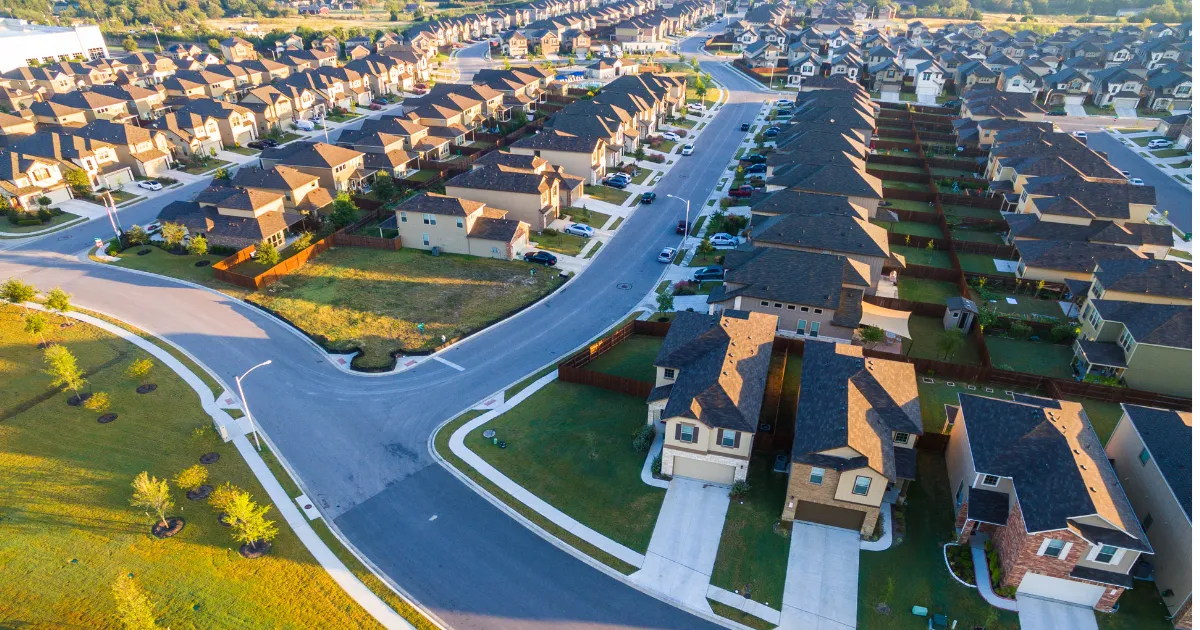
An iBuyer is a company that buys houses directly from sellers for cash, using an online offer and pricing algorithms.
Opendoor and Offerpad buy houses this way and each charges sellers a service fee. A direct cash buyer such as Propcash also buys for cash, but makes one offer with its reasoning shown and charges no fees.
This is general information, not legal advice. Company terms change.
Jump to a section
Do you already have an iBuyer offer on your house?
Free. No obligation. You choose the closing date.
An iBuyer is a company that buys houses directly from sellers for cash, using an online offer request and pricing algorithms to set its price, and then resells the houses. Opendoor and Offerpad buy houses this way in the US today, and each charges sellers a service fee.
Propcash is a direct cash buyer, which is a different model. We buy houses ourselves, as the principal, and make one cash offer based on local market data with the reasoning behind our number. You deal with the decision-maker from the first call to closing, sell as-is, pay no fees, and pick your closing date. This guide covers what iBuyers are, what they publish about fees and markets, and when each option may fit.
What is an iBuyer?
An iBuyer is a company that makes cash offers on houses through a website or app and buys the houses itself. Instead of listing the house and waiting for a buyer, you request an offer online and the company sets its price with data and a pricing model.
Economists who studied the model in a National Bureau of Economic Research working paper (revised June 2025) describe iBuyers this way.
"technology-driven entrants that facilitate transactions via online platforms and algorithmic pricing"
Greg Buchak, Gregor Matvos, Tomasz Piskorski, and Amit Seru, NBER Working Paper 28252
The National Association of Realtors calls them direct buyers that purchase houses directly from sellers, and notes that computer algorithms combined with people set the offer price. iBuyers are still a small share of sales. In the NAR Realtors Confidence Index for September 2026, 2% of sellers sold to an iBuyer.
Which iBuyer companies buy houses today?
Opendoor and Offerpad are iBuyers that buy houses in the US today and publish their seller fees and service areas on their own sites. Zillow and Redfin once ran programs that bought, renovated, and resold houses, called Zillow Offers and RedfinNow, and both companies have wound them down.
The table below uses only what each company publishes on its own pages, checked on November 12, 2026. Terms change, so confirm the current fee and service area with each company before you sign.
| Company | Status | Seller fee, as published | Where it buys, as published | Closing window |
|---|---|---|---|---|
| Opendoor | Buying | A service fee that varies by market and property and is shown in each offer. Opendoor does not publish a fixed percentage. Closing costs typically run 1% to 3%. | Every postal code in the lower 48 states with single-family houses | As few as 21 days, or a date up to 60 days out |
| Offerpad | Buying | A 5% service fee of the purchase price, plus closing costs of about 1% | Its locations page lists Arizona, Florida, Georgia, Indiana, Nevada, North Carolina, Ohio, South Carolina, and Texas | A date you pick, 8 to 60 days out |
| Zillow Offers | Wound down | Not buying | None. Zillow's board decided on November 2, 2021 to wind down Zillow Offers. | Not applicable |
| RedfinNow | Wound down | Not buying | None. Redfin decided on November 7, 2022 to wind down RedfinNow. | Not applicable |
Sources, all read November 12, 2026: Opendoor's fee article, where Opendoor buys, and selling options; Offerpad's sell page, seller FAQ, and locations page; Zillow Group's Form 8-K of November 2, 2021; Redfin's Form 8-K of November 7, 2022.
Our Opendoor vs Offerpad comparison goes deeper on those two companies, side by side.
How does an iBuyer offer work?
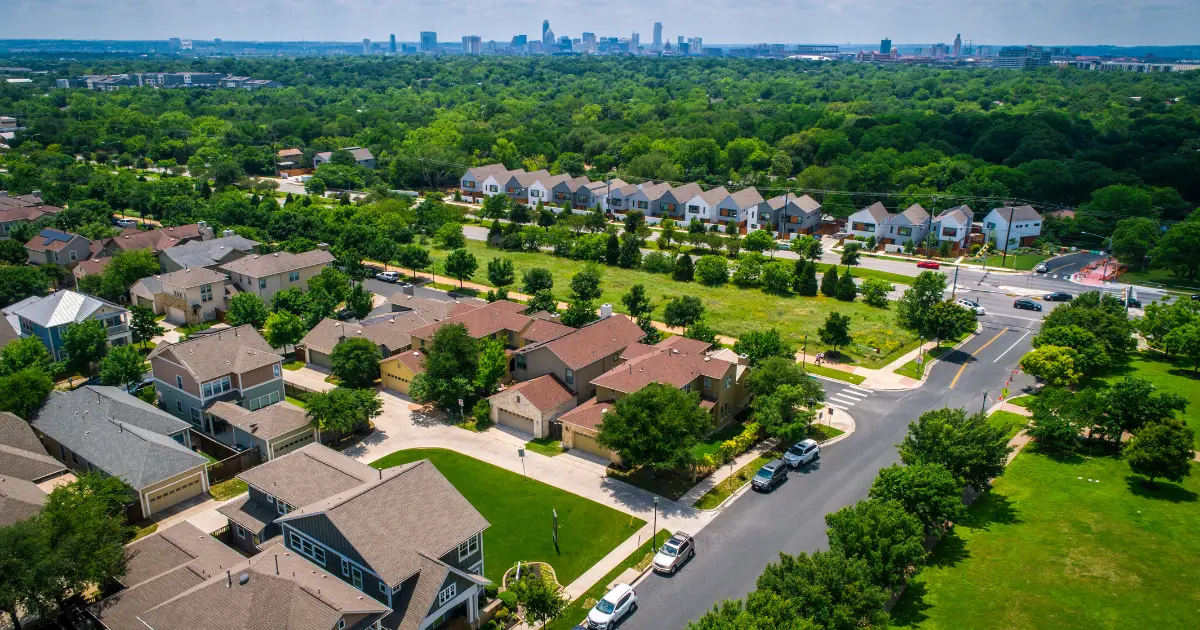
An iBuyer offer usually starts as an online estimate, changes after a check of the house's condition, and arrives as a final offer with the service fee and repair costs listed. Here is how the two companies describe each step on their own pages.
Step 1: the online request
You enter your address and answer questions about the house's condition, upgrades, and features. Opendoor's help center says you see an initial estimate within minutes. Offerpad says its form takes about 5 minutes and that its team combines local knowledge with proprietary evaluation technology to set the offer.
Step 2: the condition check
Next comes a check of the house. Opendoor uses self-assessment photos in its Key App or an in-person walkthrough, depending on the market. Offerpad says a trusted partner comes to the house for a free on-site assessment.
Step 3: repair costs and the final offer
Repairs found in the check usually come out of the price. Opendoor shows a repair cost, which it calls a condition adjustment, and its service charge in the offer breakdown. Offerpad's seller FAQ gives three choices: give Offerpad a credit, make the repairs before closing, or decline, in which case the contract can be cancelled with no penalty to either side.
Step 4: accepting and closing
Both companies give the offer a deadline. Offerpad says its offers usually expire seven days from the offer date, and Opendoor says each offer's expiration date depends on your market and situation. Once you accept, you pick a closing date inside each company's window.
How much do iBuyers charge in fees?
iBuyers charge a service fee plus closing costs, and Opendoor says its fee is deducted from your proceeds at closing. Offerpad publishes a 5% service fee plus about 1% in closing costs. Opendoor's fee varies by market and property and is shown in each offer.
Opendoor's own article describes its service fee as comparable to what many sellers pay in agent commission, and puts its closing costs at typically 1% to 3% of the sale price. Repair credits from the condition check come on top of the fee.
Here is an illustrative example using Offerpad's published rates. On a $300,000 offer, a 5% service fee is $15,000 and closing costs of about 1% are about $3,000. That is about $18,000 before any repair credit. Your own numbers will differ, and our home sale proceeds calculator can help you compare what you keep.
iBuyer vs direct cash buyer vs listing with an agent
An iBuyer, a direct cash buyer, and a listing all end in a sale, but they differ on who buys, how the price is set, what you pay, and how long it takes. The table sets the decision facts side by side.
| Decision fact | iBuyer (Opendoor, Offerpad) | Direct cash buyer (Propcash) | Listing with an agent |
|---|---|---|---|
| Who buys | The company buys the house itself | Propcash buys the house itself, as the principal | An outside buyer, often with a mortgage |
| How the price is set | Online estimate, then a condition check and repair credits | One cash offer based on local market data, with the reasoning shown | Agreed with a buyer after showings, often with an inspection and appraisal |
| What you pay | Offerpad: 5% service fee plus about 1% closing costs. Opendoor: a fee that varies, plus closing costs of typically 1% to 3% | No fees, no commissions, and no closing costs charged to you | An agent commission, which NAR says is negotiable, plus closing costs |
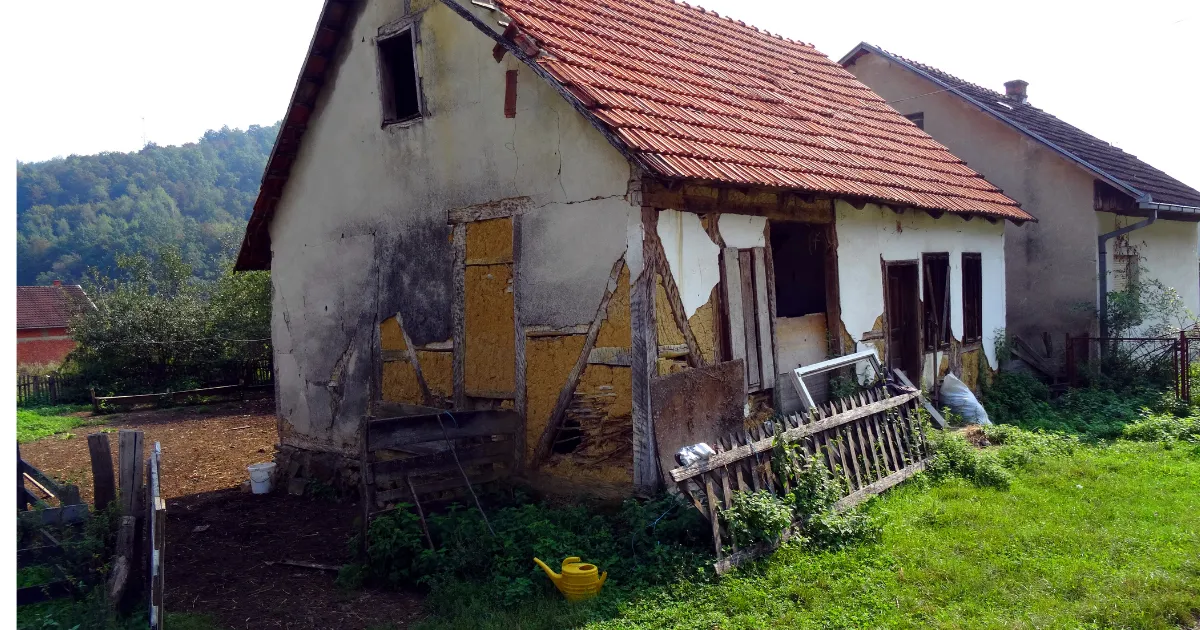
| Condition | Offerpad typically does not buy houses built before 1950 or with significant structural issues. At Opendoor, major structural damage may not qualify. | As-is, with no repairs | Repairs may come up after the buyer's inspection |
| Tenants | Offerpad: vacant at closing. Opendoor: generally vacant at closing | Buys with tenants in place | Depends on the buyer and the lease |
| Time to close | Opendoor: as few as 21 days. Offerpad: 8 to 60 days out | As few as 7 days, on the date you pick | A median 33 days on the market, then a median 30 days to close (NAR, September 2026) |
| Offer deadline | Offerpad: usually 7 days. Opendoor: set by market | Our offers don't expire | Set by each buyer |
Sources, read November 12, 2026: the Opendoor and Offerpad pages listed above, Opendoor's eligible property types, NAR on negotiable commissions, and the NAR Realtors Confidence Index for September 2026. Propcash terms are our own.
Our guide to a cash offer vs a traditional sale walks through the listing side in more detail.
When may an iBuyer fit, and when may it not?
An iBuyer may fit when your house is a typical single-family house or townhome in good shape, inside the company's service area, and you want a set closing window without showings. The NBER researchers found that iBuyers mostly buy relatively liquid, easier-to-value houses.
It may fit less well in a few cases that the companies' own pages describe:
- Older houses or major condition issues. Offerpad typically does not buy houses built before 1950, and Opendoor says houses with major structural damage, serious foundation issues, or extensive damage may not qualify.
- Manufactured houses. Neither company buys mobile or manufactured houses.
- A rental with tenants. Offerpad requires the house to be vacant at closing, and Opendoor generally does, so tenants have to move out first.
- Outside the service area. Offerpad's locations page lists 9 states, and Opendoor buys in the lower 48.
Listing with an agent may fit when the house shows well and you have time to wait. If you have an iBuyer offer already, our guide on how cash buyers calculate offers explains what drives the number.
How can Propcash help if you are comparing iBuyer offers?
Propcash is a direct cash buyer of houses, and we buy houses as-is in all 50 states. We make one cash offer based on local market data and show you how we got to our number, so you can put it next to an iBuyer offer and compare what you keep.
There are no fees, no commissions, and no closing costs charged to you. You work directly with the decision-maker, we buy with tenants in place, and closings can happen in as few as 7 days on the date you pick. Our offers don't expire, and if a cash sale isn't your best move, we'll tell you. Our guide on what to expect from cash buyers covers each step, and you can get a no-obligation cash offer when you're ready.
Common questions about iBuyers
What are the main iBuyer companies?
Opendoor and Offerpad are iBuyers that buy houses in the US today and publish their fees and service areas. As of November 12, 2026, Opendoor says it buys in every postal code in the lower 48 states with single-family houses, and Offerpad's locations page lists 9 states. Zillow Offers and RedfinNow were wound down in 2021 and 2022.
How much does an iBuyer charge to buy a house?
Offerpad publishes a 5% service fee plus closing costs of about 1%. Opendoor charges a service fee that varies by market and property, shown in each offer, plus closing costs of typically 1% to 3%. Repair credits from the condition check can lower the amount you keep. Terms change, and each company's own site shows its current fee.
Is selling to an iBuyer worth it?
It can be when your house fits the company's criteria and you want a set timeline without showings. It may be less of a fit for older houses, houses with major repairs, or rentals with tenants. Comparing the net amount from an iBuyer, a direct cash buyer, and a listing can show which path leaves you the most for your situation.
What is the difference between an iBuyer and a cash buyer?
Both buy houses for cash. An iBuyer sets its price with an online estimate and pricing models, then adjusts it after a condition check and charges a service fee. A direct cash buyer like Propcash makes one cash offer based on local market data with the reasoning shown, buys as-is, and charges no fees.
Do iBuyers buy houses that need repairs?
They buy many houses that need minor work and take the repair cost out of the offer as a credit. Offerpad typically does not buy houses built before 1950 or with significant structural issues. Opendoor says houses with major structural damage, serious foundation issues, or extensive damage may not qualify.
How fast can an iBuyer close?
Opendoor says you can close in as few as 21 days or choose a date up to 60 days out. Offerpad lets you pick a closing date 8 to 60 days out, with a minimum that depends on the state and HOA. A direct cash buyer like Propcash can close in as few as 7 days.
Can I sell a house with tenants to an iBuyer?
Offerpad does not buy houses that are not vacant at closing, and Opendoor generally requires the house to be vacant at closing, so tenants have to move out first. Propcash buys houses with tenants in place, with no eviction needed before you sell.
Reviewed by the Propcash Editorial Team under our editorial standards. Published by Propcash, a direct cash buyer of houses. Propcash wrote this page and is one of the options it compares, and the facts about other companies come from their own pages as of November 12, 2026. This guide is general information. Laws, fees, and market figures change, so check the current rules for your state.